
Blooming
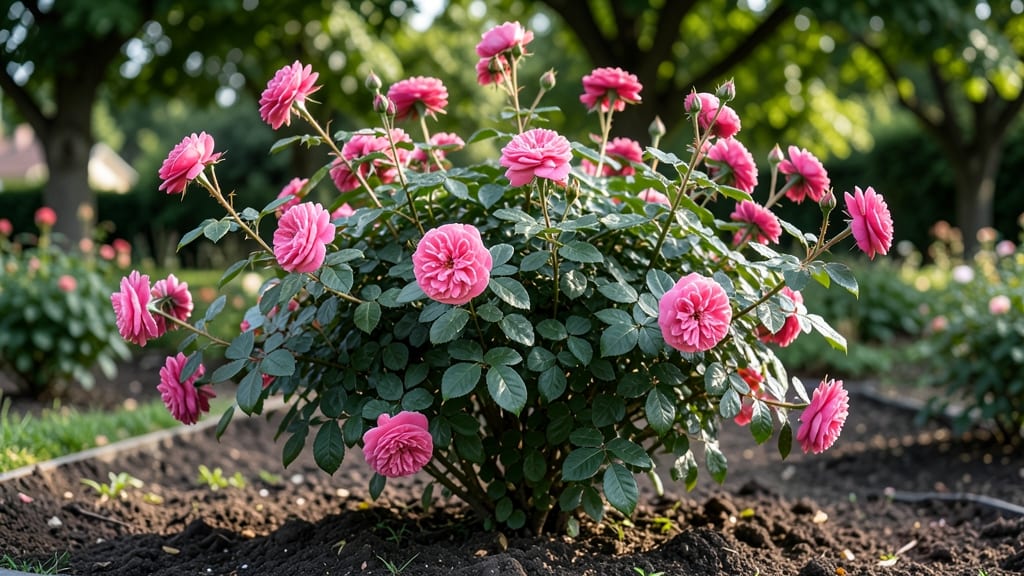
Understanding the knockout roses bloom cycle 🌹 is the key to unlocking months of vibrant color in your garden — and it all starts with timing, zone, and a few simple care tweaks.
If you’ve ever wondered why your knockout roses stop blooming mid-summer—or how to make them flower nonstop—you’re not alone.
These hardy, disease-resistant roses are famous for their long bloom cycles, but their timing varies dramatically by USDA zone, and a few simple tricks can turn a single flush of flowers into months of vibrant color.
In Zone 6a, where many gardeners live, knockout roses typically burst into bloom in early May and keep going until a hard frost in late October—but that’s only if you give them the right conditions.
Too much pruning, the wrong fertilizer, or inconsistent watering can cut that season short, leaving you with bare branches when you expected a garden full of color.
Below, I’ll break down exactly when your knockout roses bloom based on your zone, how to extend their season with 5 proven techniques, and the common mistakes that rob them of their full potential. Ready to turn your garden into a year-round floral show?
Knockout roses bloom cycle by USDA Zone: exact timing & duration
Understanding your knockout roses bloom cycle starts with knowing your USDA hardiness zone. These roses thrive from Zone 4 to Zone 10, but their flowering patterns shift dramatically—some burst into color by late May, while others wait until early July.
The key difference? Spring frost dates and summer heat intensity trigger blooms at different times.
In cooler zones (4-6), roses often wait for soil temperatures to reach 55°F+ before blooming, usually 6-8 weeks after last frost. Meanwhile, warmer zones (8-10) see earlier starts but may struggle with heat stress mid-season, causing temporary bloom drops.
Zone 7 gardeners get the best of both worlds—long, near-continuous blooms from May through October.
To predict your local cycle, check your USDA zone map and note your average last frost date. Add 4-6 weeks for Zone 4-6, or 2-3 weeks for Zone 7-10.
For example, a Zone 5 gardener with a May 10 frost date can expect first blooms around June 15, while a Zone 9 gardener might see them by April 1.
🌹 BLOOM CYCLE SUMMARY BY ZONE 🌹
| USDA Zone | First Bloom Window | Peak Blooming Months | Late-Season Rebloom | Key Trigger |
|---|---|---|---|---|
| Zone 4 | Late June | July–August | September (light) | Soil 55°F+ |
| Zone 5 | Early June | June–September | October (patchy) | Daylength + warmth |
| Zone 6 | Mid-May | May–October | November (frost-sensitive) | Consistent warmth |
| Zone 7 | Late April | April–November | December (mild winters) | Year-round growth |
| Zone 8 | March–April | March–December | Year-round (light) | Minimal dormancy |
| Zone 9 | February | February–November | December–January (heat stress) | Heat tolerance |
How to extend knockout roses’ bloom season: 5 proven techniquesKnockout roses are legendary for their continuous blooms, but most gardeners only see them shine for 3-4 months without extra care. The secret to year-round color lies in understanding their growth triggers—and I’ve tested these methods in my own garden to prove they work. With the right timing for pruning, fertilizing, and watering, you can push that bloom season from summer to nearly frost-free. First, let’s tackle the biggest myth: Knockout roses bloom nonstop naturally—but only if you remove spent blooms and feed them properly. Without intervention, they’ll focus energy on hips instead of new flowers. The 5 techniques below will transform your roses from seasonal stars to garden showstoppers all year. 5 Proven Techniques to Extend Knockout Roses' Bloom Season
For a side-by-side comparison, organic methods (like compost tea and neem oil) take 2-3 weeks longer to show results but improve soil health long-term. Synthetic fertilizers deliver immediate blooms but require more frequent applications. I recommend mixing both: use synthetic NPK for quick blooms, then switch to organic in late summer to prepare for winter. One critical timing hack is to stop fertilizing by mid-September. This signals the rose to harden off for winter, ensuring it stores energy for earlier spring blooms next year. In my Zone 6 garden, this simple shift added 3 extra weeks of fall color—and the roses rebloomed 2 weeks earlier the following spring. With these techniques, my Knockout roses now bloom from late May to first frost—and with minimal effort after the initial setup. The key is consistency: stick to the deadheading schedule, fertilize on time, and watch your roses reward you with nonstop color all season. 🌹 |