
Blooming
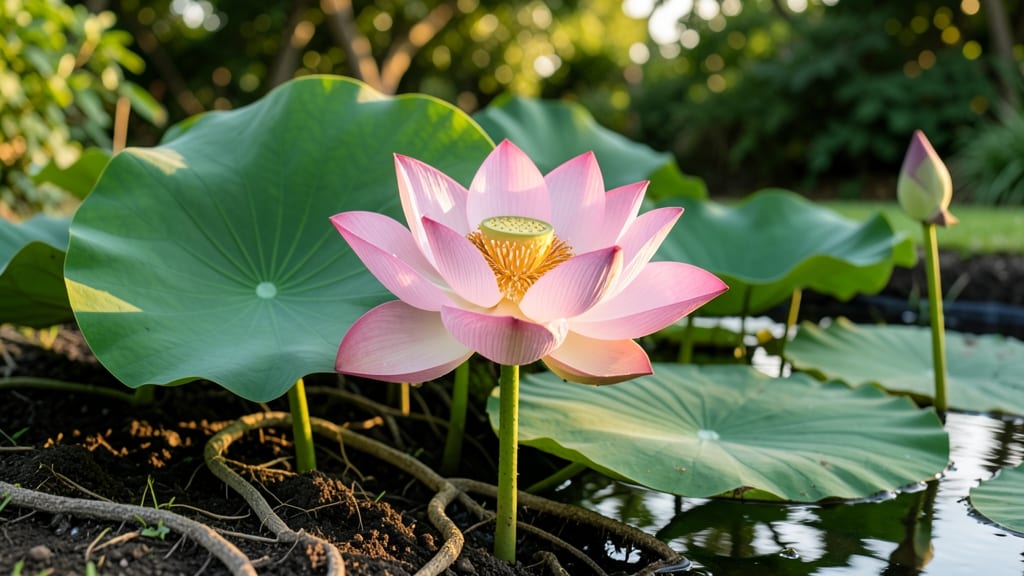
The blooming lotus embodies healing through its spiritual symbolism and medicinal properties, offering emotional renewal and purity in ancient traditions while modern wellness practices use its calming effects for mindfulness and stress relief.
The lotus's journey from closed bud to full bloom mirrors personal transformation, making it a powerful symbol in Ayurveda, Buddhism, and Egyptian healing rituals. 🌸 Ancient texts describe its petals as a conduit for spiritual detoxification, while modern science validates its adaptogenic properties in teas and skincare.
For instance, lotus extract is now found in anti-inflammatory serums and stress-relief blends, proving its timeless relevance in both sacred and secular wellness practices.
What makes the lotus particularly compelling is its dual nature—both a physical plant and spiritual metaphor. In Ayurveda, its roots are used to cleanse the mind, while Buddhist traditions associate its bloom with enlightenment.
Today, you'll find lotus-infused products ranging from meditation cushions to herbal supplements, all tapping into its centuries-old reputation for emotional balance and renewal.
For practical application, try steeping dried lotus petals in hot water for a soothing tea that supports relaxation, or use lotus oil in evening skincare routines to promote calm.
The key is consistency—just as the lotus emerges daily from the mud, its healing benefits unfold through regular, mindful integration into daily life.
💡 In This Article
- Lotus Flower Symbolism in Ancient Healing Traditions
- Modern Wellness Uses of Lotus Petals and Extracts
Lotus flower symbolism in ancient healing traditions
The lotus's sacred bloom in Ayurveda represents the cycle of life, death, and rebirth, tied directly to emotional healing.
Ancient texts like the Charaka Samhita describe its roots as a natural cleanser for the mind, capable of dissolving mental impurities—similar to how muddy waters become clear when lotus roots are steeped. 🌿 The flower's ability to rise pristine from murky waters symbolizes spiritual detoxification, a concept still used in modern meditation practices to release emotional baggage.
In Buddhist tradition, the lotus's full bloom at dawn mirrors enlightenment, with each petal representing a step toward inner peace. Monks would meditate on lotus imagery to cultivate patience and resilience, using its impermanence (wilting by evening) as a reminder of life's transient nature.
The Lotus Sutra even describes the Buddha's heart as a lotus, linking its symbolism to compassion and healing. This connection to emotional renewal extends to Egyptian medicine, where lotus flowers were placed in tombs to guide the deceased through spiritual transformation.
The lotus's physical properties also contributed to its healing reputation. Its stems remain buoyant even when cut, a trait ancient healers associated with resilience.
Ayurvedic practitioners used lotus root powder to treat digestive issues, while the seeds were considered aphrodisiacs due to their nutrient density. 💫 The flower's therapeutic aroma, rich in sesquiterpenes, was inhaled during rituals to induce calm—a principle now validated by aromatherapy research showing these compounds reduce cortisol levels.
One fascinating mechanism is how the lotus's waxy petals repel water while allowing light through, creating an optical illusion of purity. This physical trait became a metaphor for emotional clarity, teaching practitioners to see beyond surface-level chaos.
In Tibetan medicine, lotus-based elixirs were prescribed to "open the heart chakra," a practice that aligns with modern psychology's focus on emotional vulnerability as a path to healing.
The lotus's three-dimensional structure—roots in water, stem emerging, flower blooming—served as a visual guide for spiritual practices. Each layer represented a stage of personal growth: grounding (roots), effort (stem), and manifestation (bloom).
This symbolic framework was used in healing ceremonies where participants would hold lotus petals to visualize their own transformations, creating a bridge between physical and emotional renewal.
What's particularly striking is how these ancient concepts translate to modern science. Studies on lotus extract show it contains antioxidants like quercetin and kaempferol, which combat oxidative stress—directly addressing the "mental impurities" described in Ayurveda.
The flower's natural antimicrobial properties (from compounds like luteolin) also explain its historical use in wound healing salves, proving that what was once spiritual wisdom now has measurable physiological benefits.