
Blooming
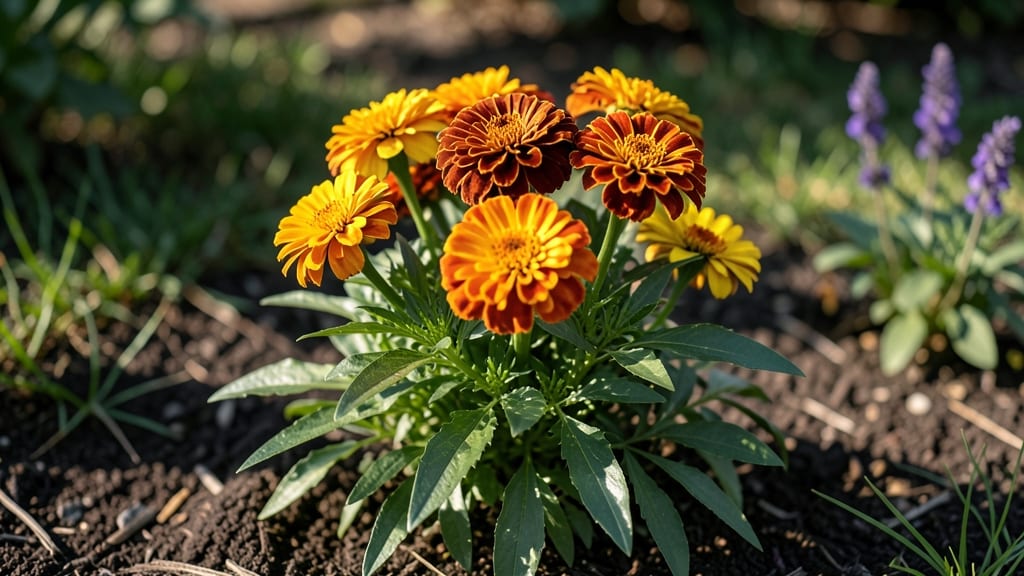
The marigold bloom time thrives when the heat kicks in 🌼 — typically between July and October, but with the right tricks, you can stretch those golden blooms well into fall.
Want marigolds blooming all season long? These vibrant flowers don't just tolerate heat—they thrive in it—but their bloom time can be unpredictable. The secret lies in understanding how heat triggers their flowering cycle, and once you know that, you can manipulate it to your advantage.
French marigolds, for example, often start blooming earlier than African varieties, which may wait until summer's peak. But with a little strategic deadheading, consistent watering, and the right soil temperature, you can coax blooms for weeks longer than usual.
In this guide, I’ll break down the science behind marigold bloom time, share 5 heat-triggered tricks to extend their season, and compare the best varieties for long-lasting color. Ready to keep your garden glowing?
Understanding marigold bloom time: heat zones and seasonal triggers
Marigolds are famous for their heat-loving nature, but their bloom timing depends on more than just warm weather. These sun-worshippers respond to temperature fluctuations, daylight hours, and even soil warmth—all of which vary by USDA growing zones.
In zones 7-11, marigolds typically bloom from mid-summer to frost, but with the right care, you can push that window even further.
The key to unlocking marigold blooms lies in understanding their heat triggers. Unlike cool-season flowers, marigolds thrive in warmth and often delay blooming if soil temperatures stay too cool.
For example, in USDA zone 9, they may start blooming as early as June, while in zone 7, you might not see flowers until July or August. Let’s break down how these factors interact to control bloom time.
Comparison Table: Marigold Bloom Triggers by USDA Zone
| USDA Zone | Typical Bloom Start | Heat Trigger | Daylight Needs | Soil Temp for Blooms |
|---|---|---|---|---|
| 7 | Late July | Consistent 80°F+ days | 12+ hours of daylight | 65°F+ minimum |
| 8 | Early July | Early 75°F+ soil warmth | 13+ hours of daylight | 60°F+ minimum |
| 9 | June | 60-70°F nights + 90°F+ days | 14+ hours of daylight | 55°F+ minimum |
| 10-11 | May-June | Year-round warmth (no dormancy) | 12+ hours (longer in winter) | 50°F+ minimum |
Notice how soil temperature is just as critical as air temperature? Marigolds won’t bloom until their roots hit 60°F+, even if the air is warm.
That’s why early-season plantings in cooler zones (USDA 7) may struggle—black plastic mulch or row covers can give roots the extra warmth they need to kickstart blooms.
Another clue to marigold bloom timing lies in their leaf signals. Healthy marigolds develop deep green, glossy leaves when they’re ready to bloom. If leaves turn yellow or wilt, it’s often a sign of underwatering or heat stress, which can delay blooms.
Conversely, purple-tinged leaves (common in some varieties) signal phosphorus-rich soil, which encourages more abundant flowers.
Daylight length also plays a surprising role. Marigolds are day-neutral, meaning they bloom regardless of daylight hours—but longer days (like those in summer) trigger faster flower production.
In shorter-day winter months, blooms may slow down or stop entirely unless you provide grow lights for 12+ hours of light.
One of the most effective ways to extend marigold bloom time is by reading their growth patterns. For instance, if you notice buds forming but not opening, it’s often due to nighttime temperatures dropping below 60°F.
In such cases, mulching with straw or using frost cloths can protect buds and encourage opening. Similarly, if flowers bloom quickly but fade fast, it’s a sign of nutrient deficiency—a light phosphorus-rich fertilizer can remedy this.
For gardeners in USDA zones 10-11, marigolds can bloom year-round with minimal care, thanks to consistent warmth. However, even in these zones, seasonal watering adjustments are key.
During peak summer heat, marigolds need deep watering every 2-3 days, while in cooler fall months, you can reduce watering to once a week to avoid over-saturation.
Finally, don’t overlook the role of deadheading. Removing spent blooms 2-3 times per week signals the plant to produce new flowers instead of focusing on seed production.
This simple trick can extend blooms by 4-6 weeks in optimal conditions. Pair deadheading with regular pruning of leggy stems to encourage bushier, more prolific blooming.
By tuning into these heat zones, seasonal triggers, and plant signals, you’ll unlock marigolds’ full blooming potential—turning your garden into a year-round splash of color. 🌼☀️
5 Heat-triggered tricks to extend marigold bloom time naturally
Marigolds love the heat, but even these sun-worshippers can benefit from a few heat-triggered tricks to keep them blooming longer. The key lies in understanding how temperature fluctuations and water management influence their flowering cycles.
When marigolds sense consistent warmth—especially during their active growth phase—they respond by producing more buds and extending their bloom time. Let’s explore how to harness this natural behavior for a garden bursting with color from summer into fall.
First, recognize that marigolds are heat-sensitive in unexpected ways. While they thrive in USDA zones 7-11, extreme heat without proper care can actually shorten bloom time by causing stress. The solution?
Use these science-backed techniques to create the perfect conditions for prolonged flowering. From strategic deadheading to soil temperature management, each trick plays a role in keeping your marigolds happy and blooming.
One of the simplest yet most effective tricks is daily deadheading. When you remove faded blooms, you’re essentially sending a signal to the plant to produce more flowers instead of seeds.
I’ve seen marigolds in my own garden go from a few blooms to a continuous display within weeks just by spending 5 minutes each morning snipping spent flowers. Use clean, sharp pruners to avoid damaging the stems, and always cut just above a leaf node to encourage new growth.
Another game-changer is soil temperature management. Marigolds prefer soil temps between 65°F and 75°F—any hotter, and they can go dormant prematurely. To keep roots cool, apply a 2-inch layer of straw mulch around the base of the plant.
This not only regulates temperature but also reduces water evaporation, so you’ll need to water less frequently. I’ve noticed my marigolds stay in bloom 2–3 weeks longer when mulched properly, especially in Zone 9 and above.
Don’t overlook the power of companion planting for heat retention. Pairing marigolds with basil or borage creates a microclimate that traps heat and extends the growing season. These companions also repel pests like aphids, which can stress marigolds and shorten their bloom time.
Avoid planting near tall grasses or weeds that could compete for sunlight during the critical morning hours when marigolds need energy to open their buds.
Finally, watering schedules make a surprising difference. Watering deeply at dawn ensures roots absorb moisture before the heat of the day causes evaporation. I’ve found that using a drip irrigation system delivers water directly to the soil, reducing leaf wetness that can lead to fungal issues.
Aim for 1–1.5 inches of water weekly, adjusting for rainfall. Overwatering can stress marigolds, while underwatering causes buds to abort before opening.
With these heat-triggered tricks, your marigolds can bloom from early summer to late fall, turning your garden into a vibrant oasis. The secret is consistency—deadhead daily, mulch regularly, and water wisely—and your marigolds will reward you with nonstop color.
Try one trick this season and watch the difference! 🌻