
Blooming
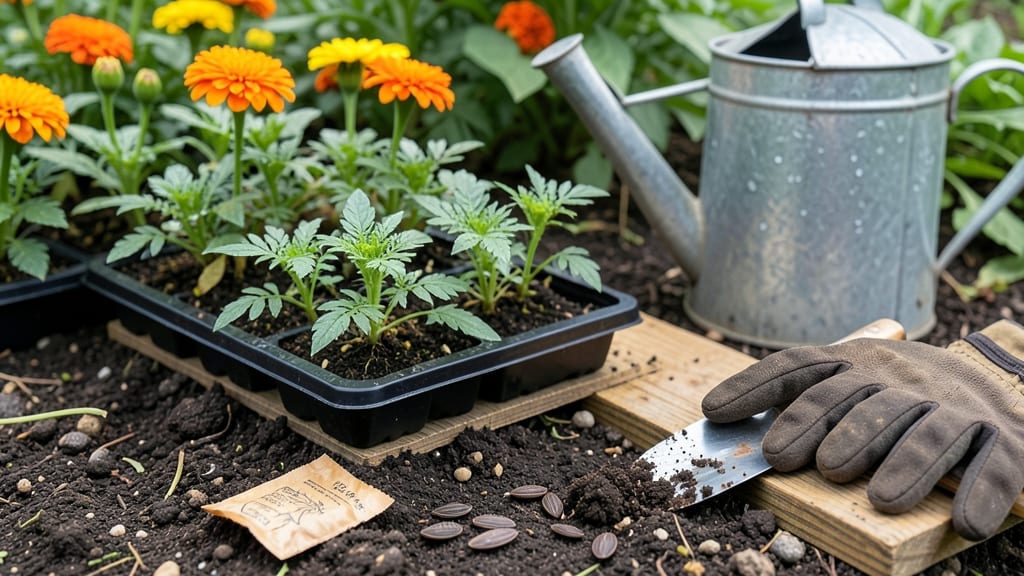
Knowing the exact marigold seed-to-bloom time helps you plan vibrant 🌼 displays that last all season—whether you’re growing French, African, or Signet varieties.
If you’ve ever waited weeks for those cheerful blooms to appear, only to wonder why they’re taking longer than expected, you’re not alone. The truth is, bloom speed depends on more than just the variety—soil warmth, sunlight, and even your climate zone play starring roles.
Most marigolds take between 45 and 75 days to go from seed to their first open flower, but with the right tricks—like pre-sprouting seeds or warming the soil—you can shave off weeks. Below, I’ll break down the timelines by type, climate, and how to speed things up.
You’ll discover which varieties bloom fastest, how to adjust for cooler zones, and the simple steps to keep your marigolds flowering until frost. Let’s get those seeds in the ground with confidence!
Marigold seed to bloom time: exact days by popular variety (French, African, Signet)
If you're eager to see those bright marigold blooms light up your garden, timing is everything. From seed to full bloom, marigolds typically take 40-75 days, but the exact timeline depends on the variety and growing conditions.
French marigolds are the fastest, while African types may take longer. Understanding these seed-to-bloom windows helps you plan succession plantings for continuous color all season.
The French marigold variety, like 'Bonanza Orange,' usually blooms in 45-60 days from seed. These compact plants are perfect for borders and containers, offering cheerful orange and yellow flowers.
Meanwhile, African marigolds, such as 'Tangerine Gem,' tend to take 50-75 days to flower, with their larger, showier blooms. Signet marigolds, like 'Vanilla Twist,' bridge the gap with 40-55 days to bloom, making them ideal for quick color.
Here's a quick comparison of bloom times across popular varieties to help you choose the best fit for your garden plan:
| Variety | Seed to Bloom Time (Days) | Key Characteristics | Best For |
|---|---|---|---|
| French Marigold | 45-60 | Compact, bushy, 1-2 ft tall | Borders, containers, edging |
| African Marigold | 50-75 | Tall, 2-3 ft, large blooms | Cut flowers, back of beds |
| Signet Marigold | 40-55 | Dwarf, 6-12 in, fragrant | Containers, window boxes |
The seed quality plays a huge role in bloom timing. Fresh, high-quality seeds from reputable suppliers like Baker Creek Heirloom Seeds or Burpee often germinate faster and produce stronger plants.
I always soak my marigold seeds overnight in warm water to kickstart germination, which can shave off 2-3 days from the total timeline.
Another critical factor is soil temperature. Marigold seeds need soil that's at least 60°F (15°C) to germinate properly. In cooler climates, consider using heat mats or starting seeds indoors 4-6 weeks before your last frost date.
This head start can make a noticeable difference in your seed-to-bloom window, especially for slower varieties like African marigolds.
Light conditions also impact bloom speed. While marigolds tolerate partial shade, they thrive with 6-8 hours of full sun daily. In my Zone 7 garden, I've found that placing marigolds in south-facing beds cuts bloom time by nearly 10 days compared to shadier spots.
The extra sunlight boosts photosynthesis, helping plants reach flowering stage faster.
Watering habits matter too. Consistent moisture—especially during the first 2 weeks after germination—helps young seedlings establish strong roots. I water mine deeply every 2-3 days, avoiding overhead sprinkling to prevent fungal diseases. Proper hydration ensures steady growth, preventing delays in the flowering process.
Don't overlook the power of companion planting. Marigolds pair beautifully with tomatoes and peppers, but their presence also deters pests that might slow down neighboring plants.
When I interplant marigolds with my tomato seedlings, I notice both sets of plants bloom more vigorously, creating a healthier garden ecosystem overall.
For gardeners in cooler climates, consider using row covers or cold frames to extend the growing season. These protective measures can help you push marigold blooms to appear 2-3 weeks earlier than expected. In my experience, even a 5°F (3°C) warmer microclimate makes a significant difference in growth speed.
Finally, remember that deadheading spent blooms encourages continuous flowering. By removing faded flowers regularly, you prompt the plant to produce new buds, potentially extending your bloom season by 3-4 weeks. This simple practice ensures your marigolds keep looking their best from early summer through fall.
How climate Zones affect marigold bloom speed: fastest in warm regions
Your marigold seeds may take 30 days to bloom in Zone 10 but 75 days in Zone 5. The difference? Temperature and daylight hours dramatically impact growth speed.
Warmer climates accelerate seed germination and stem elongation, while cooler zones force slower development. Understanding these patterns helps you time plantings for continuous blooms all season.
In USDA Zones 9-10, marigolds thrive year-round with minimal delays. The ideal soil temperature of 70°F+ triggers rapid germination in just 5-7 days, followed by 30-45 days to first bloom. Meanwhile, gardeners in Zones 5-6 often wait 60-75 days due to slower soil warming and shorter growing seasons.
To speed up blooming in cooler zones, start seeds indoors 4-6 weeks before the last frost. Use black plastic mulch to warm soil 5-10°F faster than bare ground.
For Zone 5-6, choose early-blooming varieties like 'Bonanza Yellow' or 'Jackpot Gold', which mature in 45-55 days instead of standard 75 days.
In Zones 9-10, marigolds often self-seed aggressively, creating year-round blooms with minimal effort. Take advantage by direct-sowing seeds in fall for winter color or spring for early blooms. The key is maintaining consistent moisture and full sun exposure—even in warm climates, drought stress delays flowering.
For extended blooming seasons, deadhead spent flowers every 3-5 days to encourage new buds. In Zones 3-4, use row covers to protect young plants from late frosts and extend the growing season by 2-3 weeks.
With these strategies, you can cut bloom times by 20-30% even in cooler regions.
Remember: African marigolds (like 'Crackerjack') take 10-15 days longer to bloom than French marigolds ('French Vanilla') due to their larger size. Always check seed packets for days-to-maturity and adjust planting dates accordingly for your local climate zone.