
Blooming
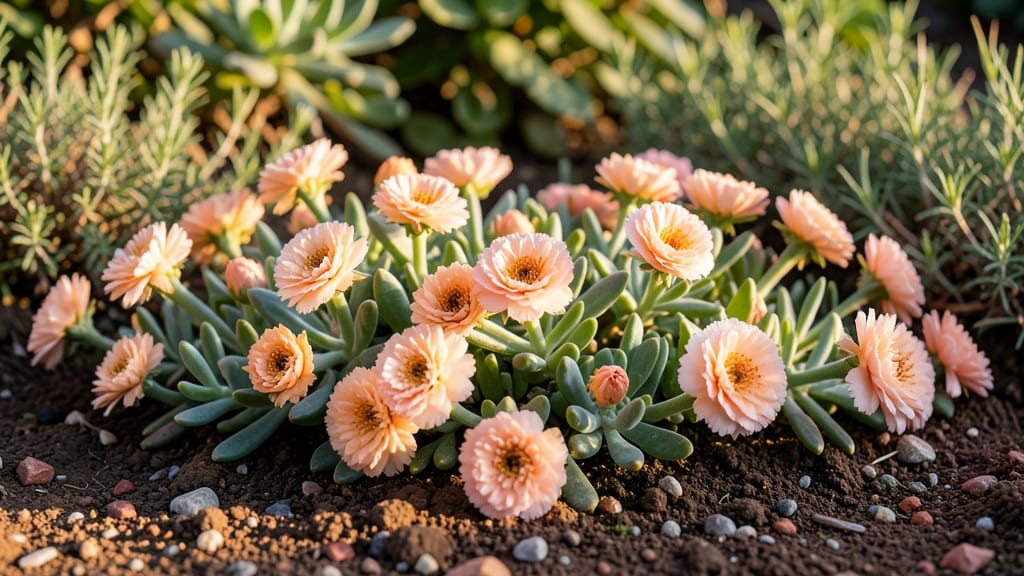
The moss rose bloom time spans late spring to early summer, peaking in May through July, though some varieties continue flowering into August in warmer regions. Cooler climates shorten the bloom window, while tropical types may flower year-round with proper care.
Moss roses thrive on seasonal cues, with their vibrant blooms triggered by warmer temperatures and longer daylight hours. 🌸 In USDA zones 6-10, most varieties follow this predictable pattern, but hybrid types can defy expectations by reblooming if given consistent care.
The key to extending their display lies in understanding their light and temperature needs—too much shade or sudden cold snaps can cut flowering short.
For gardeners in containers, maintaining consistent moisture and using slow-release fertilizers with low nitrogen helps sustain blooms longer. Pruning spent flowers (deadheading) encourages new growth, while mulching protects roots in cooler zones.
Tropical varieties, like those in zone 10+, often reward patience with continuous blooms when planted in well-draining soil and given afternoon shade during peak heat.
💡 In This Article
- Factors Influencing Moss Rose Flowering Seasons
- Extending Moss Rose Bloom Periods with Gardening Tips
Factors influencing moss rose flowering seasons
Moss rose flowering depends heavily on USDA climate zones, with zones 6-10 experiencing the most predictable bloom patterns. The plant's native habitat in warm, arid regions means it thrives when soil temperatures reach 65-75°F—below 55°F, growth slows dramatically, delaying blooms.
In cooler zones (6-7), flowering typically peaks in June-July but may cut short if nights dip below 50°F. Tropical varieties in zones 10+ often bloom year-round because they're adapted to consistent warmth.
The Portulaca grandiflora species, the true moss rose, has a 6-8 week bloom cycle triggered by increasing daylight hours after the spring equinox. Hybrid varieties, however, may extend this to 10-12 weeks through selective breeding for heat tolerance.
Sunlight exposure is critical—moss roses need 6+ hours of direct sun daily, but afternoon shade in zones 8-10 prevents wilting during peak summer heat. Too little light results in sparse blooms, while excessive shade shifts energy toward leaf growth instead of flowers. 🌞
Soil temperature plays a hidden but vital role. Moss roses have shallow root systems that absorb heat quickly, and when soil temps drop below 60°F, they enter a dormant-like state. This explains why container-grown plants often bloom 2-3 weeks earlier than in-ground varieties—the pots warm faster in sunlight.
In cooler climates, gardeners sometimes use black plastic mulch to raise soil temperatures by 5-10°F, effectively extending the bloom season by 1-2 weeks.
Genetics determine whether a moss rose is a single-bloomer or reblooming type. Single-bloomers (like 'Scarlet Drum') follow the classic May-July window, while reblooming hybrids (such as 'Black Velvet') may produce 3-4 bloom cycles per year if deadheaded consistently.
The key difference lies in their ability to reset after flowering—rebloomers have shorter juvenile periods between growth stages. This genetic trait is why some gardeners in zone 9 report August-September blooms with proper care.
Daylight duration also influences bloom timing. Moss roses are short-day plants, meaning they flower in response to decreasing daylight after the summer solstice.
In northern latitudes (zones 6-7), this typically occurs in late June, while in southern zones (8-10), the trigger happens 2-4 weeks later due to longer summer days.
This explains why tropical varieties in Florida or Hawaii can bloom year-round—their consistent daylight patterns remove seasonal cues entirely. 🌍
One often-overlooked factor is humidity levels. Moss roses originate from arid regions where humidity rarely exceeds 40%. In humid climates (like zones 7-8 with 60%+ humidity), fungal diseases like powdery mildew can stress plants, reducing bloom quality.
Gardeners in these areas often see 10-20% fewer blooms compared to drier climates unless they improve airflow through pruning or spacing. Conversely, in desert climates (zone 9b+), supplemental watering during 100°F+ days can actually boost bloom production by preventing heat stress.