
Blooming
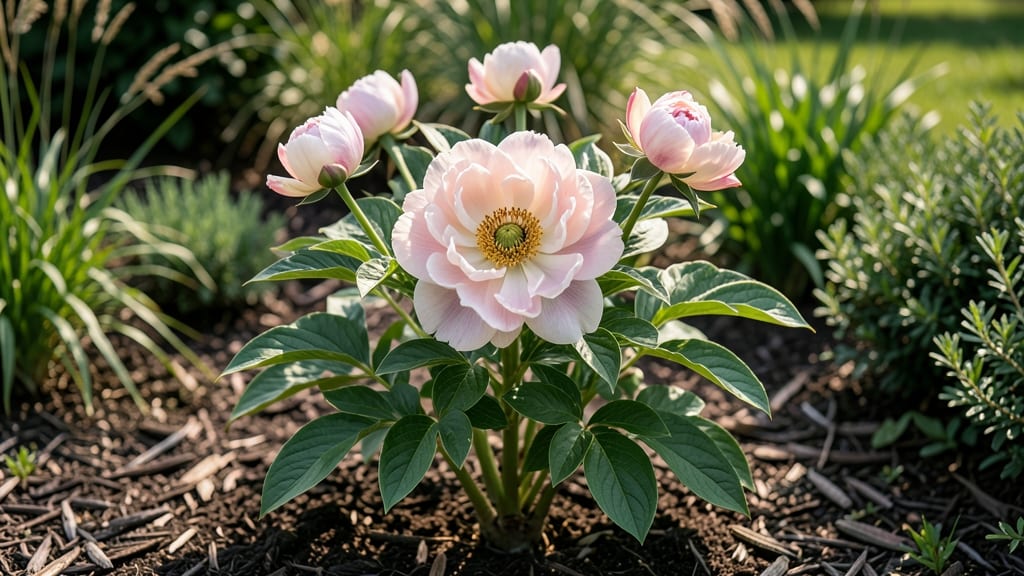
Peony bloom stages reveal nature’s slow-motion masterpiece—each phase packed with drama from tight buds to velvety petals. 🌸 I’ve watched my peonies go from fuzzy green globes in spring to showstopping blooms that last weeks, and there’s nothing like the moment they finally open. The secret to maximizing their beauty?
Knowing exactly when to expect each stage so you can time deadheading, support stems, and protect them from rain. The first stage is all about anticipation: those swollen buds in late spring, still wrapped in papery layers, promise what’s coming.
In zones 4-8, buds form in April-May, with early bloomers opening by early June. The second phase—early bloom—is when petals begin unfurling like a slow-motion dance, revealing layers of pink, white, or coral beneath. This is when they’re most vulnerable to wind and rain, so staking helps.
By full bloom, peonies become the garden’s centerpiece, their cup-shaped flowers heavy with fragrance and pollen. This is your window to enjoy them at their peak (usually 7-10 days) and to start deadheading spent blooms to encourage more flowers.
The final stage—decline—signals the petals wilting, but don’t cut stems yet! Let them fade naturally for seeds or remove them only after they’ve turned brown.
Understanding these stages lets you plan companion plants for staggered color, like pairing early bloomers with late tulips or late peonies with black-eyed Susans. The key is observing, not guessing—so grab a notebook and watch your peonies transform into the garden’s star attraction.
📚 In This Guide
- What you need
- Instructions
- Tips and common mistakes
- Wrapping up and next steps
What you need
- ● Peony plants (herbaceous or tree peonies) – Choose healthy, mature plants (3+ years old) for the best blooms.
- ● Watering can – A gentle spray or drip system to avoid damaging buds.
- ● Pruning shears – Sharp, clean shears (sterilized with rubbing alcohol) for trimming spent blooms.
- ● Garden gloves – Protect your hands from thorns and dirt.
- ○ Stake or support (optional) – For heavy blooms, especially in windy areas.
- ● Camera or smartphone – With a macro lens for close-up shots of petals and buds.
- ● Tripod – For steady, long-exposure shots of blooms in natural light.
- ● Notebook or journal – To track bloom stages, weather, and growth patterns.
- ● Magnifying glass – For up-close inspection of bud details.
- ● Sunlight – Full sun (6+ hours/day) for optimal blooming.
- ● Well-draining soil – Mix in compost for nutrients (pH 6.0–7.0).
- ● Mulch – 2–3 inches of organic mulch (e.g., straw) to retain moisture.
- ● Patience! – Peonies take 2–3 years to reach full bloom potential.
How to recognize and care for peony bloom stages
Peonies reveal their beauty in four distinct phases—each with its own care needs.
🌱 Step 1: Identify the Swollen Bud Stage
This is where peony magic begins, usually in late spring when buds swell to about the size of a golf ball. You'll notice the outer petals starting to separate slightly, revealing the first hint of color inside. This is the moment to prepare for bloom support—peony stems can get heavy when fully open.
Here's the thing—if you see buds swelling but not opening, check your location. Peonies need full sun (6-8 hours daily) to develop strong buds. If your garden gets afternoon shade, move potted peonies or consider a sunnier spot next year. Water deeply once a week during this stage, keeping soil 1-2 inches moist but never soggy.
☀️ Step 2: Watch for the Green Bud Stage
When buds turn green and feel firm to the touch, they're ready to burst open. You'll see tiny cracks forming at the tips, and the stems will have thickened noticeably. This is when peonies need the most attention—watering becomes critical as they prepare for their grand opening.
Real talk: Overwatering now causes buds to split open prematurely, ruining the display. I water at the base using a soaker hose set for 10-15 minutes weekly, then let the soil dry slightly between waterings. Mulch with 2-3 inches of organic mulch (like shredded bark) to retain moisture and protect roots from temperature swings.
🌿 Step 3: Recognize the Half-Open Stage
The moment you'll wait for arrives when petals begin unfurling but haven't fully opened. You'll see delicate inner layers peeking through, and the flower will feel slightly lighter as moisture evaporates. This is peak fragrance time—take a deep breath and enjoy the sweetest scent.
This is also when you should consider cutting flowers for arrangements. Use clean pruners to snip stems at a 45-degree angle, leaving 2-3 inches of stem below the bloom. Remove lower leaves to prevent water loss. For garden peonies, leave some blooms to enjoy in place—they'll last 5-7 days at their peak.
✂️ Step 4: Enjoy and Maintain the Full Bloom Stage
When all petals are fully open and the flower feels light in your hand, you've reached the final stage. Peonies typically bloom for 7-10 days at this stage, with some varieties lasting even longer. This is when you'll get the most photos—morning light captures the dew beautifully.
Don't remove spent blooms immediately. Let them fade naturally and collect seeds if you want to propagate. Once fully brown, cut back stems to 1 inch above the ground to encourage next year's buds. Feed with balanced fertilizer (10-10-10) after blooming to replenish nutrients for next season's growth.
🪴 Step 5: Prepare for Post-Bloom Care
After the last petal falls, your work isn't done. Peonies need time to recover before winter. Stop fertilizing after 6 weeks post-bloom to let the plant prepare for dormancy. Water deeply once a week until the first frost, then reduce to every 2 weeks.
This is when I do my annual health check. Remove any dead or diseased foliage immediately to prevent soil-borne diseases. For container-grown peonies, move pots to a sheltered location if your winters are harsh. Mulch heavily (4-6 inches) to protect roots from freezing temperatures.
Tips & tricks for perfect peony bloom care
Here's what nobody tells you about keeping your peonies thriving through every stage.
Sunlight Strategy: The 6-8 hours of full sun mentioned in Step 1 is non-negotiable for strong bud development. I've seen buds swell but fail to open when plants get afternoon shade—this is when you know it's time to relocate potted peonies or create shade solutions for garden beds. Morning sun is ideal, but if you only have afternoon light, use shade cloth (30-50%) during peak heat hours to prevent bud stress.
Watering Wisdom: That 10-15 minute weekly soaker hose time in Step 2 is perfect, but timing matters just as much. Water in the early morning so leaves have time to dry, preventing fungal issues. I've learned the hard way that wet foliage at night leads to bud rot—always check for dampness before watering again. The soil should feel like a damp sponge, not a soggy washcloth.
Pruning Precision: When cutting stems in Step 3, that 45-degree angle isn't just decorative—it increases water absorption through the stem's surface area. I also recommend using sharp pruners and making clean cuts just above a leaf node (where leaves grow) to encourage future blooms. For arrangements, recut stems every 2 days to keep them fresh longer.
Post-Bloom Planning: The 6-week post-bloom fertilizer pause in Step 5 gives peonies time to store energy for next year. I mark my calendar 6 weeks after the last petal falls to remind myself—this is when I also do my annual soil test. If your soil is nutrient-poor, consider a fall application of compost instead of waiting until spring.
Pro Tips for Peony Bloom Stages
- Here's what nobody tells you about keeping your peonies thriving through every stage.
- Sunlight Strategy: The 6-8 hours of full sun mentioned in Step 1 is non-negotiable for strong bud development. I've s...
- Watering Wisdom: That 10-15 minute weekly soaker hose time in Step 2 is perfect, but timing matters just as much. Wat...
Frequently asked questions
Got questions about peony bloom stages?
You’re not alone! Here are answers to the most common queries gardeners ask—whether you’re a peony newbie or a seasoned enthusiast.
When do peonies typically bloom, and how long does each stage last?
Peonies usually bloom in late spring to early summer (May–June in most regions), but timing varies by variety and climate. The full bloom cycle spans 7–10 days per flower, with buds opening gradually over 3–5 days. Herbaceous peonies (which die back in winter) bloom earlier than tree peonies, which may take 2–3 weeks to reach peak glory.
Why are my peony buds not opening, even though they look healthy?
Bud blast (when buds swell but refuse to open) is common due to cold snaps, overcrowding, or poor sunlight. Try these fixes:
- Wait it out: Peonies need 50–60°F (10–15°C) temps to bloom. A late frost can delay opening.
- Thin the foliage: Overly dense plants compete for energy—prune back leaves to improve airflow.
- Check sunlight: Peonies need 6+ hours of direct sun daily. Move potted plants or shade nearby trees.
Can I extend the peony bloom season, or are the stages fixed?
While you can’t permanently extend peony blooms (their stages are genetically timed), you can maximize enjoyment with these tricks:
- Water deeply: Consistent moisture (1–2 inches per week) keeps blooms hydrated and vibrant.
- Deadhead strategically: Remove spent blooms after they fade to encourage a second flush in some varieties (like ‘Sarah Bernhardt’).
- Protect from pests: Japanese beetles and aphids can shorten bloom time. Use neem oil or row covers.
What’s the difference between herbaceous and tree peony bloom stages?
Here’s a quick comparison to spot the differences:
| Stage | Herbaceous Peonies | Tree Peonies |
|---|---|---|
| Growth Habit | Die back to ground in winter; new stems emerge each spring. | Woody shrubs; stems persist year-round (no die-back). |
| Bloom Time | Early to mid-spring (May–June). | Late spring to early summer (June–July); some rebloom in fall. |
| Flower Longevity | 7–10 days per bloom. | 10–14 days (longer with care). |
| Fragrance | Strongly fragrant (e.g., ‘Bowl of Beauty’). | Often lightly fragrant (e.g., ‘Duchesse de Nemours’). |
Pro tip: Tree peonies are more drought-tolerant and live longer (50+ years!), while herbaceous types offer bolder, showier blooms.
What should I do if my peony buds split or rot before opening?
Split or rotting buds (often called bud rot) are usually caused by fungal diseases (like botrytis) or bacterial infections. Act fast with these steps:
- Remove affected buds: Snip off damaged buds below the infection with sterilized shears.
- Improve drainage: Peonies hate soggy soil. Amend clay soil with compost or plant on a slight mound.
- Apply fungicide: Use a copper-based spray or neem oil preventatively in early spring.
- Space plants properly: Give peonies 3–4 feet of space to reduce humidity and airflow issues.
For severe cases, prune back 1/3 of the plant to encourage new growth. Healthy peonies bounce back!
Wrapping up and next steps
Watching peonies transform through their four bloom stages—from tight buds to lush, fragrant blooms—is like witnessing nature’s own masterpiece unfold. 🌸 Each phase offers its own beauty, reminding us to slow down and savor the journey.
Whether you’re a gardener, photographer, or simply a lover of spring, these stages inspire creativity and patience.
Now that you’ve mastered the art of identifying and celebrating peony blooms, why not take the next step? Share your favorite bloom photos on social media with #PeonyBloomJourney, or experiment with arranging fresh-cut peonies in your home for a burst of seasonal elegance. Happy blooming! 🌷