
Blooming
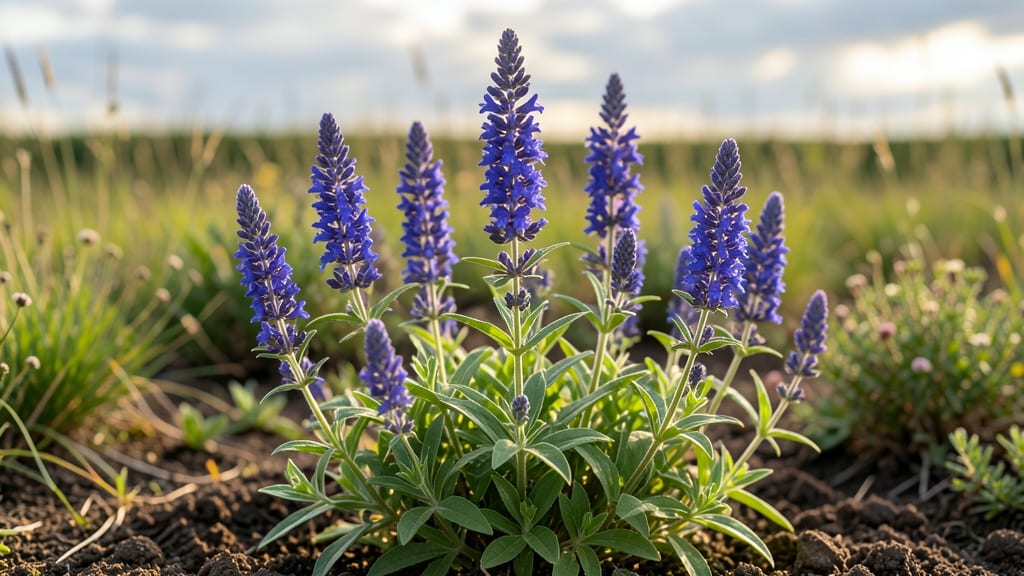
The speedwell bloom time typically stretches from late spring into summer 🌸—but if you’re not seeing that second flush of flowers, you’re missing a key trick.
Wondering why your speedwell plants aren’t reblooming? The secret lies in understanding their natural bloom cycle—and mastering the art of deadheading to coax a stunning second flush of vibrant blue, purple, or white flowers.
For gardeners in USDA Zone 6a, like me, the best time to plant speedwell is March or April, giving it plenty of time to establish roots before the first blooms appear in May. But here’s the catch: without proper care, those early flowers can be it.
In this guide, I’ll show you exactly when and how to deadhead speedwell for a longer bloom season, plus the three simple adjustments to sunlight, water, and fertilizer that keep your plants flowering until September.
Understanding speedwell bloom time: natural cycles and seasonal triggers
Speedwell (Veronica spp.) plants are prized for their vibrant blue, purple, or white flowers that brighten gardens from spring through summer. However, their bloom time varies dramatically depending on variety, climate zone, and growing conditions.
Understanding these natural cycles helps you predict flowering seasons and plan for extensions through deadheading or other techniques.
Most speedwell varieties follow a spring-to-early summer bloom cycle, with Veronica spicata typically flowering from May to July in cooler climates. Southern regions may see earlier blooms starting in April, while northern zones might delay until June or July.
Some varieties, like Veronica incana, bloom continuously if given the right care.
Below is a summary-table of common speedwell types, their natural bloom windows, and ideal growing conditions to help you match varieties with your garden's climate and sunlight patterns.
| Variety | Natural Bloom Window | USDA Zones | Sunlight Needs | Height |
|---|---|---|---|---|
| Veronica spicata (Spiked Speedwell) | May–July (spring–early summer) | 4–8 | Full sun to partial shade | 12–18 inches |
| Veronica incana (Woolly Speedwell) | June–August (continuous with care) | 5–9 | Partial shade | 6–12 inches |
| Veronica longifolia (Speedwell) | June–September (late summer) | 4–8 | Partial shade to full sun | 18–24 inches |
| Veronica pectinata (Purslane Speedwell) | April–June (spring only) | 3–7 | Full sun | 6–12 inches |
| Veronica liwanensis (Lavender Speedwell) | May–July (spring–early summer) | 5–9 | Partial shade | 8–12 inches |
Climate zones play a critical role in speedwell bloom timing. In warmer zones (8–10), like Southern California or Florida, speedwell often blooms earlier and longer, sometimes extending into fall.
In contrast, cooler zones (3–5), such as the Pacific Northwest or New England, may see delayed blooms until late spring or early summer.
Some speedwell varieties, like Veronica incana, are known for continuous blooming if deadheaded regularly. Others, such as Veronica pectinata, are spring-only bloomers and require strategic pruning to encourage a second flush. For example, cutting back Veronica spicata after its first bloom often triggers a late-summer rebloom.
Soil conditions also influence bloom time. Speedwell thrives in well-draining, slightly alkaline soil (pH 6.5–7.5). Poor drainage or compacted soil can delay flowering, while amended soil with compost promotes healthier, more vigorous plants that bloom earlier and more abundantly.
Light exposure is another key factor. While most speedwell varieties tolerate partial shade, those grown in full sun often bloom more prolifically and for longer periods. However, heat-sensitive varieties, like Veronica incana, may benefit from afternoon shade in hot climates to prevent bud drop.
To extend the bloom season, focus on three key strategies: deadheading spent blooms, providing consistent moisture, and feeding with a low-nitrogen fertilizer during the growing season. These steps help prolong flowering and ensure your speedwell remains a garden standout from spring through fall.
By aligning your speedwell varieties with your local climate and sunlight conditions, you can create a stunning, long-lasting display of color. Experiment with different types and care techniques to find the perfect balance for your garden’s unique environment.
How to deadhead speedwell for a second flush: step-by-step guide
Speedwell (Veronica spp.) typically blooms once in early summer, but with the right deadheading technique, you can trigger a second flush of those stunning blue, purple, or white flowers.
The key is timing—act too early or too late, and you’ll miss the window for reblooming. Let’s dive into the exact steps to maximize your speedwell’s flowering potential.
First, identify when your speedwell’s initial blooms fade. Most varieties start flowering in late spring to early summer, but the exact timing depends on your climate zone and variety.
For example, Veronica spicata often blooms in June-July, while Veronica incana may flower slightly earlier. Watch for spent blooms—these will turn brown or wilted before you deadhead.
🌸 Critical Deadheading Timing & Techniques
- ⏰ Deadhead after 30-50% of blooms fade—never when flowers are still vibrant. Cutting too early removes potential rebloom energy.
- ✂️ Use clean, sharp pruners or fingers for precision. Avoid tearing stems, which invites disease.
- 🌿 Trim just above a set of leaves (never bare stems). This encourages new growth and flower buds.
- ⚠️ Stop deadheading 6-8 weeks before frost to allow perennials to harden off for winter.
- 🌧️ Avoid deadheading after heavy rain—wait until soil is dry to prevent fungal spread.
For annual speedwells, you can deadhead aggressively throughout the season to prolong blooms, but perennial varieties need gentler care. Over-pruning perennials can weaken their roots, reducing next year’s flowering vigor. Limit deadheading to 2-3 times per season for perennials, focusing only on spent blooms.
Choose the right tools for the job. A pair of bypass pruners works best for thicker stems, while your fingers are perfect for delicate Veronica flowers. Always sterilize tools with rubbing alcohol between cuts to prevent bacterial or fungal infections.
If your speedwell is leggy after deadheading, a light fertilizer application (low-nitrogen, high-phosphorus) can encourage bushier growth and more blooms.
After deadheading, monitor your speedwell for new buds forming within 2-4 weeks. If you don’t see signs of reblooming, check for underlying issues like poor soil drainage, overcrowding, or inadequate sunlight.
Speedwells thrive in partial shade but still need 4-6 hours of sunlight daily to produce their best blooms.
Pro tip: Deadhead in the early morning when blooms are fully open but spent. This gives the plant the entire day to recover and redirect energy to new growth.
With patience and precision, your speedwell will reward you with a second flush that rivals its first—just in time for late summer color! ✂️🌿