
Blooming
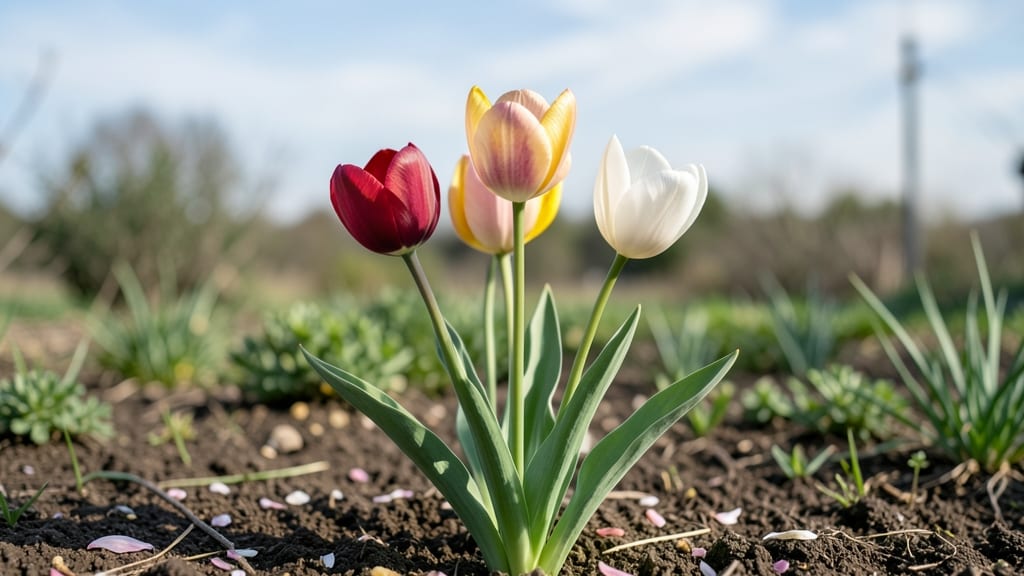
Tulips bloom in spring after 120 to 180 days of cold dormancy, but timing varies wildly depending on your zone and variety—get it wrong, and you might miss the show entirely.
Wondering why your tulips refuse to bloom on time—or when to plant for vibrant spring displays? The answer lies in your climate zone, and getting it wrong can delay blooms by months.
In USDA Zone 6a, where many gardeners live, tulips typically bloom between April and May, but early varieties like ‘Early Harbinger’ can push blooms into late March, while late bloomers like ‘Queen of Night’ may wait until June.
Below, I’ll break down the exact planting windows by zone, how to adjust timing for early or late blooms, and the three biggest mistakes that keep tulips from flowering on schedule.
Tulip bloom time by USDA climate zone: when to plant for perfect timing
Timing is everything when it comes to tulip blooms, and your USDA climate zone determines the perfect window for planting. In colder zones like Zone 3, tulips need 6-8 weeks of chilling before blooming, while warmer Zone 10 gardens can enjoy winter blooms with the right varieties.
Planting too early or late can shift bloom times by 3-6 weeks, so let's break it down by zone for perfect spring color.
Tulips are frost-sensitive but thrive with proper timing. Early bloomers like 'Early Harvest' tulips appear in late March in mild zones, while late varieties such as 'White Dream' bloom in May.
Your zone also affects whether you plant in fall (ideal) or spring (last resort). Let’s align your planting with your zone’s last frost date for consistent blooms.
In Zones 3-4, plant bulbs by mid-October for blooms in late April. These zones experience harsh winters, so bulbs need time to root before the ground freezes. 'Early Harvest' tulips are perfect for these climates, offering bright yellow blooms in early spring.
Always plant 6-8 inches deep and 4-6 inches apart for optimal growth.
Gardeners in Zones 5-6 have a slightly longer window, with ideal planting between October 1 and November 1. This timing ensures blooms from mid-April to late May.
Varieties like 'Darwin Hybrid' thrive here, delivering bold, long-lasting blooms. If you miss the fall window, plant in early spring (March) but expect smaller blooms the first year.
Warmer Zones 7-8 can plant tulips later, from November 1 to December 15, and enjoy blooms as early as February. These zones benefit from milder winters, allowing for extended bloom seasons.
Opt for 'Queen of Night' for dramatic purple blooms or 'Fosteriana' for early reds. Plant in well-draining soil to prevent rot in wet climates.
For Zones 9-10, tulips are often planted in late fall or early winter (December 15 to January 15) to avoid summer heat.
Blooms appear from January to March, offering early spring color in warm climates. 'Mexican Gray' and 'Red Emperor' are excellent choices, thriving in partial shade to prevent heat stress. Mulch heavily to protect bulbs from summer drought.
Microclimates can shift bloom times by 2-4 weeks. For example, a south-facing slope in Zone 5 may bloom 2 weeks earlier than a north-facing area. Use shade cloth in hot zones or mulch in cold zones to fine-tune timing. Always monitor soil temperature—tulips need 40-50°F
How to adjust tulip planting for early or late blooms
Want your tulips to burst into bloom for Mother’s Day or extend your spring garden’s show? Adjusting planting strategies can shift bloom times by weeks—or even months. The key lies in understanding how soil temperature, chilling requirements, and planting depth influence tulip development.
For example, forcing bulbs indoors can yield holiday blooms while deeper planting in warm zones delays spring displays.
Start by selecting the right tulip varieties for your goals. Early bloomers like ‘Early Harbinger’ (Zone 3) or ‘White Dream’ typically flower 2-3 weeks sooner than mid-season types. Late bloomers such as ‘Darwin Hybrid’ varieties push blooms into May. Pairing these with strategic planting techniques unlocks precise timing control.
🌱 5 Proven Methods to Shift Tulip Bloom Time
- Chill bulbs for 12-16 weeks at 35-45°F to mimic winter dormancy before forcing indoors.
- Plant bulbs deeper (8-10") in warm zones to delay blooming by 2-4 weeks.
- Use shallow planting (4-6") in cool zones to encourage earlier blooms.
- Choose forced varieties like ‘Apeldoorn’ or ‘Ivory Flamingo’ for predictable indoor blooming.
- Layer bulbs at different depths (6" and 10") in the same bed for staggered displays.
Forcing tulips indoors is my favorite trick to create holiday displays. Start by planting bulbs in containers 6-8 weeks before your target bloom date. Place them in a dark, cool spot (like a garage) for 10-12 weeks, then move to a sunny windowsill.
Varieties like ‘Queen of Night’ or ‘Parrot’ types produce stunning forced blooms that last 5-7 days in vases.
Layering planting depths in your garden bed creates a staggered bloom effect. Plant half your bulbs at the standard 6-8" depth, and the other half at 10-12". The deeper bulbs will push blooms back by 2-3 weeks, while the shallower ones bloom on schedule.
This technique works beautifully for cut flower gardens or borders where you want continuous color.
Don’t overlook the power of microclimates in your yard. South-facing slopes warm up faster in spring, encouraging earlier blooms, while north-facing areas may delay tulips by 1-2 weeks. Use this to your advantage by planting early bloomers in cooler microclimates and late varieties in warmer spots.
Pair this with mulching (2-3" of straw or shredded leaves) to moderate soil temperatures.
Remember, tulips need 6-8 weeks of chilling to bloom reliably. In warm climates (Zones 8-10), plant bulbs in late fall or winter to ensure they experience natural cooling. For container forcing, replicate this chilling period with a refrigerator or cool basement.
With these adjustments, you’ll have blooms on demand—whether it’s Valentine’s Day, Easter, or a late-May garden party.