
Blooming
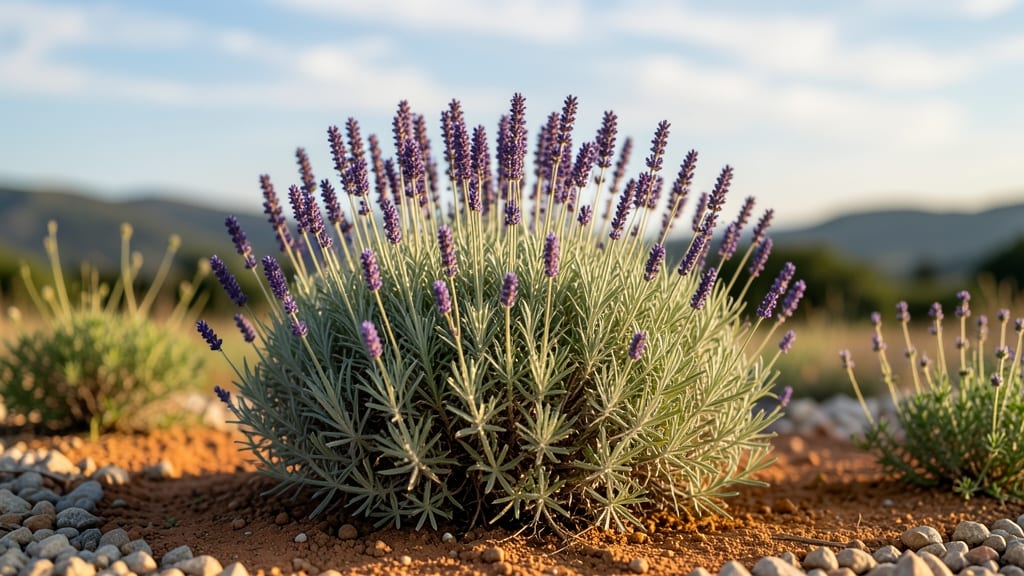
Summer’s garden explosion starts with plants that bloom in summer—think sunflowers nodding in the breeze, zinnias blazing like fireworks, and hydrangeas dripping with color. 🌻 I’ve learned that the right choices make summer care effortless while attracting pollinators and filling your yard with life.
The secret? Matching heat tolerance, sunlight needs, and bloom duration to your climate.
Low-maintenance stars like black-eyed Susans and bee balm thrive in full sun, while impatiens and coleus prefer shade and stay vibrant all season. Shrubs like roses and butterfly bush deliver months of blooms with minimal fuss—just prune once and watch them rebound.
Even drought-tolerant lavender and salvia add fragrance and structure without extra watering.
You’ll end up with a garden that feels alive—bright colors that shift from morning sun to golden hour, textures that invite touch, and scents that linger in the air.
The best part? These plants work in containers, borders, or mixed beds, so you can customize your summer display however you like.
Whether you’re in a hot, dry climate or a humid coastal area, the right summer bloomers adapt—just pick varieties bred for your zone. Here’s how to choose the perfect mix for your space and sunlight.
Nature’s Summer Bloom Trigger
Summer’s burst of color isn’t just a coincidence—it’s a carefully timed biological symphony. Plants don’t bloom randomly; they follow precise cues from their environment. Understanding these triggers helps you choose the right species for your garden and even encourage more vibrant displays.
Here’s why summer becomes the prime time for floral fireworks.
Most summer-blooming plants are photoperiodic, meaning they respond to daylight length. As days stretch longer in spring and peak in summer, plants like Lantana and Zinnias receive the signal to flower. The extra sunlight also boosts photosynthesis, producing more energy for blooms.
Actionable tip: If your garden gets partial shade, opt for heat-tolerant varieties like Salvia or Black-Eyed Susans, which thrive in warmer conditions with less direct sun.
Summer’s heat increases evaporation, but many flowering plants prefer drier conditions once established. Drought-tolerant species like Lavender and Gaillardia bloom best when watered deeply but infrequently. Overwatering can stress roots, delaying or stunting flowers.
Pro tip: Mulch around plants to retain moisture and regulate soil temperature—this mimics natural summer conditions and encourages stronger blooms.
Inside the plant, florigen—a hormone produced in leaves—travels to buds, triggering bloom formation. Long daylight hours and warm temperatures accelerate florigen production. For example, Sunflowers rely on this process to transition from leafy growth to dramatic yellow blooms.
Fun fact: Some plants, like Petunias, can be pinched back early in the season to redirect energy toward more flowers instead of foliage.
Summer-bloomers often need phosphorus-rich soil (the "P" in NPK ratios) to support flower production. If your soil lacks nutrients, plants may produce lush leaves but few blooms. A slow-release fertilizer in early summer can give them the boost they need.
✨ Bonus: Avoid high-nitrogen fertilizers (like those for lawns), which promote leafy growth at the expense of flowers.
By aligning your garden with these natural triggers, you’ll create a summer oasis that bursts with color—without relying on luck. Now, let’s explore which plants master this seasonal show! 🌸
Revitalize Your Summer Garden Now
Summer’s vibrant blooms can sometimes feel out of reach—whether due to overcrowded plants, poor soil conditions, or pests stealing the show.
But with the right fixes, your garden can burst into color like a well-timed fireworks display. 🌸🔥 Below, we tackle the most common issues and show you how to turn them around with simple, actionable steps.
Cause: Overcrowding, nutrient deficiency, or wrong light exposure.
Fix It:
- 🔥 Prune & Space Out – Trim back leggy stems and thin out crowded plants (like petunias or marigolds) to improve airflow and sunlight access.
- 🍳 Feed the Soil – Add a balanced, slow-release fertilizer (like 10-10-10) or compost every 4-6 weeks. For flowering plants, a phosphorus-rich boost (like bone meal) encourages blooms.
- ☀️ Adjust Light Levels – Move shade-loving plants (e.g., impatiens) to dappled sunlight and sun-seekers (e.g., zinnias) to 6+ hours of direct sun.
Prevention Tip: 💡 Mulch with 2-3 inches of organic mulch (like shredded bark) to retain moisture and nutrients—this keeps roots happy and blooms plentiful!
Cause: Aphids, powdery mildew, or fungal infections from humidity.
Fix It:
- 👨🍳 Spray & Trap –
- Aphids? Blast off with a strong stream of water or use neem oil spray (1 tbsp neem oil + 1 tsp mild soap per quart of water).
- Powdery Mildew? Apply baking soda spray (1 tbsp baking soda + 1 quart water + a drop of dish soap) weekly.
- 🔪 Remove Infected Leaves – Snip and dispose of diseased foliage immediately to stop spread.
- 🌡️ Boost Airflow – Space plants wider and avoid overhead watering to reduce humidity-based fungal growth.
Prevention Tip: ✨ Rotate crops annually to prevent soil-borne diseases, and plant pest-repelling companions (like basil near tomatoes or marigolds near roses).
Cause: Heat stress, underwatering, or root rot from overwatering.
Fix It:
- 🥘 Water Deeply & Infrequently – Water early morning (6-9 AM) and aim for 1-1.5 inches per week (more for sandy soil). Use drip irrigation to keep roots cool.
- 🌿 Provide Shade Cloth – If temps hit 90°F+, drape 30-50% shade cloth over heat-sensitive plants (like hydrangeas or fuchsias).
- ⏰ Check Soil Moisture – Stick your finger 2 inches deep—if dry, water; if soggy, let it dry out before rewatering.
Prevention Tip: 💡 Group plants with similar water needs together (e.g., succulents with other drought-tolerant plants) to simplify care.
Cause: Deadheading neglect, poor hydration, or nutrient burnout.
Fix It:
- 🔪 Deadhead Regularly – Snip spent blooms above the next set of leaves (not just at the stem base) to encourage new flowers. Use clean, sharp shears to avoid damage.
- 💧 Hydrate at the Roots – Water at the base (not leaves) to prevent fungal issues and keep blooms fresh longer.
- 🍎 Boost Potassium – A banana peel tea (steep peels in water for a week) or Epsom salt spray (1 tbsp per gallon) adds potassium for stronger stems and vibrant blooms.
Prevention Tip: 🎯 Choose long-blooming varieties like black-eyed Susans, coneflowers, or lantana—they’re naturally resilient and keep flowering for months!
Pro Tip: 🌿 Test your soil every 2-3 years (kits cost $10 at garden centers) to adjust pH and nutrients—most summer bloomers thrive in slightly acidic to neutral soil (6.0-7.0 pH).
Frequently asked questions
Which summer-blooming plants attract the most pollinators?
Look for zinnias, coneflowers, and bee balm—they’re pollinator magnets! These plants produce abundant nectar and bright colors that bees, butterflies, and hummingbirds can’t resist. Pair them with lavender or salvia for extra buzz in your garden.
Can I grow summer flowers in containers?
Choose compact varieties like petunias, geraniums, or marigolds for pots. Use well-draining soil and ensure containers get 6+ hours of sunlight daily. Water frequently (containers dry out faster), and fertilize every 2 weeks with a balanced liquid fertilizer.
How do I extend summer blooms past August?
Deadhead regularly to encourage new growth, and fertilize with phosphorus-rich food (like bone meal) every 4-6 weeks. For heat-sensitive plants, provide afternoon shade during 90°F+ days. Choose long-blooming varieties like black-eyed Susans or lantana for natural extension.
What’s the easiest summer flower for beginners?
Marigolds and sunflowers are foolproof! They thrive in full sun, tolerate heat and drought, and require minimal care. Plant seeds directly in the ground after the last frost—no transplanting needed. Bonus: Marigolds repel pests naturally.
Will summer flowers bloom in partial shade?
Yes! Opt for impatiens, coleus, or begonias—they flourish in 4-6 hours of morning sun. Avoid full shade (they’ll get leggy). For slightly sunnier spots, try salvia or black-eyed Susans**, which handle light shade better than most.