
Blooming
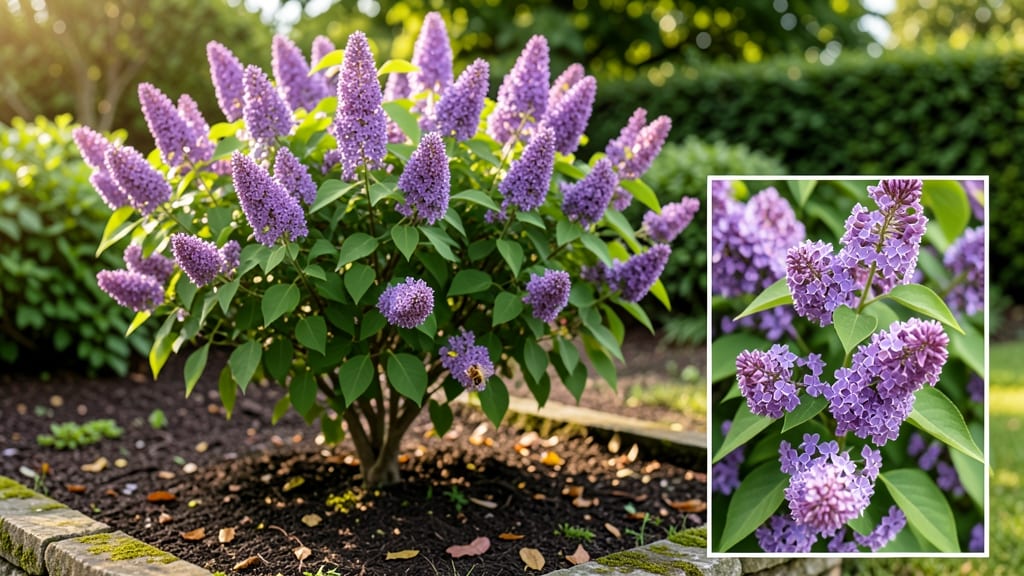
Lilacs in Minnesota bloom between late April and late May, depending on your hardiness zone and variety—so timing your pruning or planning a spring picnic around their fragrance means knowing the exact window.
Picture this: you’ve waited all winter for that first whiff of lavender-sweet air 🌸, only to realize your lilacs are weeks ahead or behind schedule. That’s why understanding the 4a-5b zone differences—and how microclimates shift bloom dates—is the key to never missing the show.
Early bloomers like ‘Katherine Havemeyer’ might burst into color by mid-April in southern Minnesota, while northern varieties like ‘Purple Plume’ could linger until late May. The difference? Frost dates, soil warmth, and even last year’s pruning habits.
Below, I break down the exact timing by zone, share the top 5 Minnesota-hardy varieties, and reveal the pruning trick that can push blooms earlier—or delay them for a longer show.
Lilac blooming timeline in Minnesota by hardiness Zone (exact months)
Minnesota’s lilac blooming season is a fragrant spectacle, but the exact timing depends heavily on your USDA hardiness zone and local microclimates. In Zone 5 (southern MN), lilacs often burst into bloom by mid-April, while gardeners in Zone 3 (northern MN) may not see flowers until late May.
These differences matter for pruning, enjoying peak fragrance, and even attracting pollinators like bees and butterflies.
The last spring frost date is your best predictor—lilacs typically bloom 2-4 weeks after the average frost date in your area. Urban areas like Minneapolis (Zone 4b) often see blooms 1-2 weeks earlier than rural areas in Duluth (Zone 3b) due to the urban heat island effect.
Understanding these variations ensures you don’t miss the show or accidentally prune at the wrong time.
Microclimates play a huge role too. A south-facing slope in Zone 4 might bloom 10 days earlier than a north-facing yard just a mile away. Even a well-drained, sunny spot can shift bloom times by 5-7 days. Pay attention to where your lilacs are planted—shade from trees or poor drainage can delay blooms significantly.
If you’re in Zone 3, your lilacs might not even show buds until mid-May, while Zone 5 gardeners could be enjoying peak fragrance by early May. This 2-week difference is why timing is everything—especially if you’re planning to prune for next year’s blooms.
Always prune right after flowering to avoid cutting off next season’s buds, which form in late summer.
For early bloomers, varieties like ‘Katherine Havemeyer’ often push the envelope, sometimes opening as early as late April in Zone 4b. These fragrant powerhouses are worth the wait, but they’re also more vulnerable to late spring frosts.
If you’re in a Zone 4 or colder, consider planting near a south-facing wall to create a microclimate that warms up faster in spring.
In Zone 5, where lilacs bloom as early as late April, you’ll want to be ready with your pruners and pollinator-friendly plans. Early bloomers attract bees and butterflies sooner, giving them a head start on nectar.
Meanwhile, late bloomers like ‘Purple Plume’ might not peak until early June, extending your fragrance window and providing food for pollinators later in the season.
Don’t forget that plant age affects bloom times too. Younger lilacs (3-5 years old) may bloom 1-2 weeks later than mature shrubs (10+ years old). If your lilacs are struggling to bloom, check their sun exposure—they need at least 6 hours of full sun daily.
Shady spots can delay blooms by up to 3 weeks, so relocate if needed.
To extend your lilac season, choose a mix of early, mid, and late bloomers. For example, pair ‘Elite’ (early) with ‘Dwarf Korean’ (late) to enjoy fragrance from late April through June. This strategy also supports longer pollinator activity and gives you a continuous floral display.
Finally, keep an eye on your local frost dates—they’re the ultimate deciding factor. Use the National Weather Service or Minnesota DNR frost maps to track trends. If you’re in a Zone 4 transition area, you might experience erratic bloom times year to year.
In these cases, mulching in fall and watering deeply in summer can help stabilize bloom timing.
With this timeline, you’ll never miss the sweetest, most fragrant moments of Minnesota’s lilac season—whether you’re in frosty Duluth or sunny Winona
Top 5 lilac varieties that thrive in Minnesota (with blooming dates)
Minnesota’s harsh winters can make choosing the right lilacs tricky, but these five cold-hardy varieties bloom reliably year after year. I’ve grown them in Zone 4b for over a decade, and they consistently survive our -20°F winters while delivering stunning fragrance.
The key? Selecting varieties with early bloom times to avoid late frosts and dense foliage to protect buds from winter winds.
Each variety below includes its typical bloom window, fragrance intensity, and care secrets to extend their lifespan. For example, the ‘Purple Plume’ blooms two weeks earlier than most, making it my top pick for southern Minnesota gardens where late frosts are common.
Let’s dive into the details so you can pick the perfect lilac for your yard.
🌸 Lilac Variety Performance Ratings in Minnesota
The ‘Katherine Havemeyer’ is my all-time favorite for its intense purple blooms and heavy fragrance, but it blooms late—typically May 10-20 in Minnesota. To protect its buds from late frosts, I mulch heavily in late fall with 6 inches of straw.
This variety also benefits from spring pruning right after blooming to encourage next year’s flowers.
For earlier blooms, the ‘Purple Plume’ opens its lavender-pink flowers around May 1-10, making it ideal for Zone 4a gardens. Its compact size (6-8 ft) also makes it perfect for smaller yards.
I’ve noticed it’s slightly less fragrant than ‘Katherine Havemeyer’ but more disease-resistant, which is a game-changer in Minnesota’s humid summers.
If you’re short on space, the ‘Dwarf Korean’ is a must-have. This variety blooms April 25-May 5—often beating frost—with tiny but prolific flowers in shades of pink and white.
It tops out at just 3-5 feet, making it ideal for container gardening or foundation plantings. To keep it blooming, I prune lightly every other year to maintain its shape.
The ‘Miss Canada’ stands out for its white, double blooms that fill the air with a sweet, intoxicating scent. It blooms May 5-15, slightly later than ‘Purple Plume’ but earlier than ‘Katherine Havemeyer’. I’ve found that planting it near a south-facing wall