
Pruning
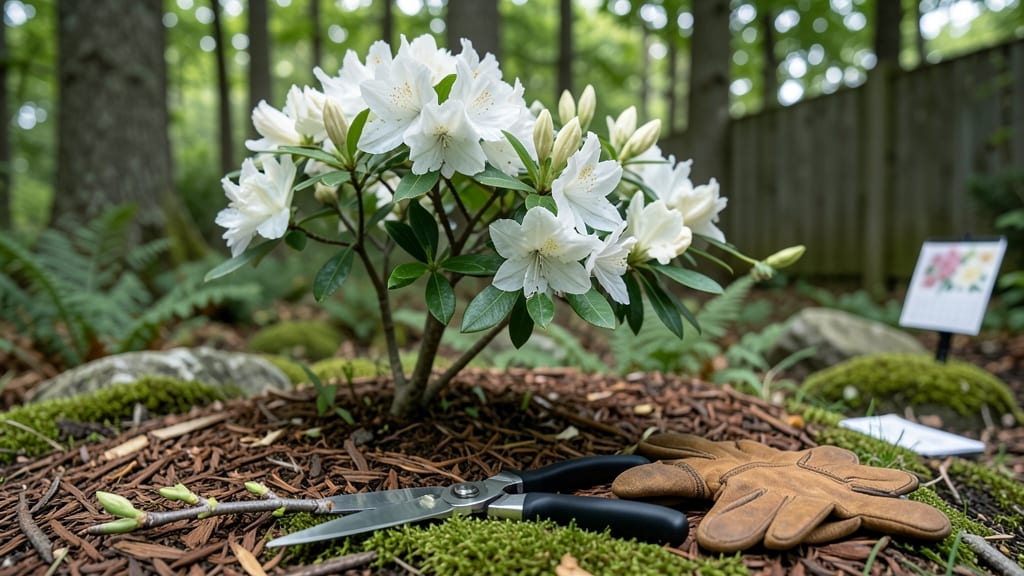
To prune azaleas that bloom twice a year, you’ll want to time it after the first spring flush but before summer growth kicks in—a narrow window that keeps both seasons of flowers intact.
Picture this: your 🌸 azalea puts on a stunning show in spring, but by fall, the blooms are sparse or nonexistent. That’s often a sign you pruned too late—or too early—and missed the sweet spot for reblooming varieties in USDA Zone 6 and beyond.
Most gardeners assume fall is the only time to prune, but twice-blooming azaleas need a spring trim to avoid cutting off next year’s flower buds. The key is knowing when to stop before summer heat stresses the plant, and when to hold off until after the second bloom fades.
Below, I’ll walk you through the exact timing, step-by-step pruning tips, and how to adjust for your climate—so you can enjoy two full seasons of vibrant blooms every year.
The critical window: when to prune for spring and fall blooms
Twice-blooming azaleas reward you with two stunning flower shows each year—spring and fall—but only if you prune at the right time. Unlike single-blooming varieties, these beauties form two sets of flower buds: one for spring and another for fall.
Prune at the wrong time, and you risk cutting off next year’s blooms before they even form. The key is understanding when these buds develop and how to protect them.
Most gardeners make the mistake of pruning azaleas after their spring blooms fade, thinking they’re giving the plant a fresh start. But for reblooming varieties, this is a critical error. Those fall buds are already forming on new wood by early summer.
Wait too long, and you’ll sacrifice your autumn display before it even begins. Let’s break down the exact timing and why it matters so much.
| Pruning Time | What to Do | Why It Matters | Climate Notes |
|---|---|---|---|
| Late Winter (Feb-March) | Remove dead/diseased wood; light shaping | Prevents spring bloom damage; buds form on old wood | Before buds swell (Zone 6: Feb 15-March 15) |
| Immediately After Spring Blooms (May-June) | Shape lightly; never cut back more than 1/3 | Encourages new wood growth where fall buds form | Wait 2-4 weeks after last spring bloom |
| Early Fall (Sept-Oct) | Minimal pruning; remove only dead wood | Protects fall buds already set for next year | Before first frost (Zone 6: Oct 1-15) |
| Avoid: Summer (July-Aug) | No pruning—buds are forming! | Cutting now removes fall flower buds before they develop | Wait until after first frost for next cycle |
The late winter/early spring window (February-March) is your first chance to prune without risking blooms. This is when azaleas are dormant, and their spring buds are already set on last year’s wood.
Focus on removing dead, diseased, or crossing branches—never more than 25% of the plant. Use clean, sharp shears to make cuts just above a bud or outward-facing leaf.
Here’s the golden rule: Never prune after July if you want fall blooms. By mid-summer, your azalea’s new wood is already forming the buds for next year’s autumn display. A single late-summer cut can eliminate 60-80% of potential fall flowers.
I’ve seen gardeners prune in August thinking they’re helping their plant, only to be left with bare branches by October.
For temperate climates (USDA Zones 6-8), aim to finish all major pruning by June 15. In warmer zones (9-10), you have until July 1, but even then, proceed with caution.
The heat stress from pruning can delay bud formation. Always check your local last frost date—fall pruning should wrap up 4-6 weeks before frost to allow new growth to harden off.
One common misconception is that you can prune azaleas anytime they look messy. But reblooming varieties are delicate timing machines. Their spring buds form on old wood (last year’s growth), while fall buds form on new wood (this year’s growth).
Cut at the wrong time, and you’ll lose one or both blooms. For example, if you prune in late spring, you might remove next year’s fall buds before they’re even visible.
To identify safe pruning spots, look for buds shaped like tiny eggs along the stems. These are your spring buds—leave them alone! The new wood (this year’s growth) will have smaller, less defined buds closer to the tips.
These are where your fall blooms will emerge. If you’re unsure, prune conservatively—you can always shape more next year.
Pro tip
Step-by-step pruning guide: what to cut and when
Pruning twice-blooming azaleas requires precision to preserve both spring and fall flowers. The key is timing—cut too early or late, and you risk removing next year’s flower buds hidden in last year’s wood.
I’ve pruned my own azaleas for years, and I’ve learned that old wood (last year’s growth) holds next spring’s blooms, while new wood (current season’s growth) produces fall flowers.
Your goal is to shape the shrub while leaving enough old wood for spring blooms and encouraging new growth for fall. Start by identifying dead, diseased, or crossing branches—these can be removed year-round. For healthy branches, the right time to prune depends on your climate zone and bloom cycle.
Remove up to 1/3 of the oldest wood (last year’s growth) to encourage new growth for fall blooms. Focus on thinning out crowded branches and shaping the shrub.
Trim only lightly to remove dead or weak growth. Avoid heavy pruning—this is when spring flower buds are already forming on last year’s wood.
Prune before buds swell to remove damaged branches and prepare for spring growth. This is your last chance before buds set for next year’s blooms.
In warmer zones (7+), delay spring pruning until after Memorial Day to avoid frost damage. In colder zones (5-6), prune earlier (April) to prevent late-season growth from freezing.
When pruning, always use clean, sharp shears to make 45-degree cuts just above a bud or branch collar. Never leave stubs—this invites disease. I like to step back after pruning to check if I’ve created an open, airy shape that allows light and air to circulate.
One common mistake I see is over-pruning in fall, which can reduce next year’s spring blooms. If you’re unsure, err on the side of less pruning—azaleas tolerate under-pruning better than aggressive cuts. For large azaleas, spread pruning over 2-3 years to avoid shocking the plant.
Finally, mulch around the base after pruning to retain moisture and protect roots. My azaleas thrive when I mulch with pine bark—it mimics their natural acidic soil conditions. With the right timing and technique, your azaleas will reward you with vibrant blooms twice a year!