
Blooming
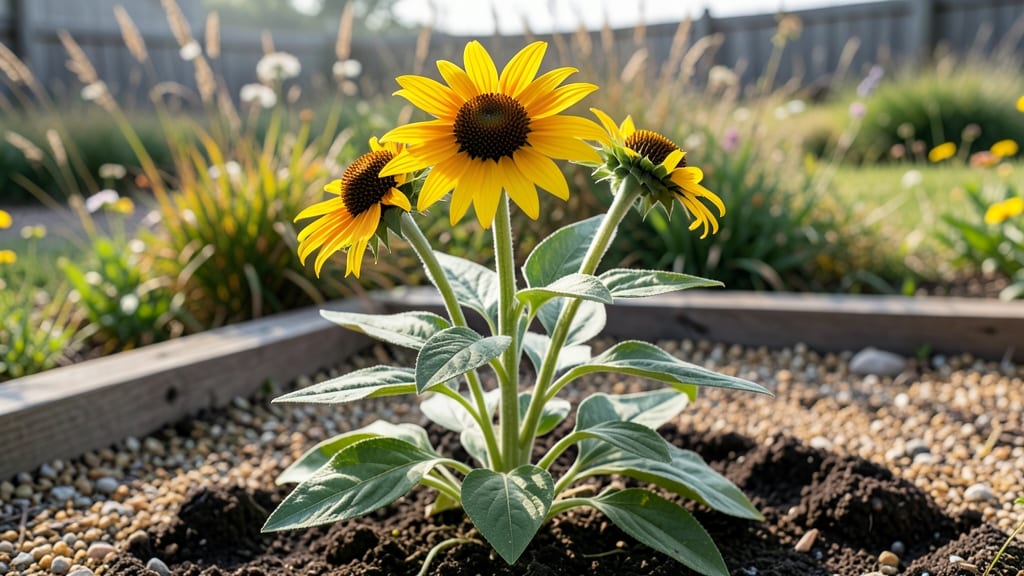
Sunlight-loving yellow blooms transform any garden into a cheerful, sun-drenched retreat. 🌻 I’ve designed borders with these vibrant flowers that keep reblooming from spring through frost—no dead zones, just nonstop color.
The secret lies in pairing bold sunflowers with delicate black-eyed Susans and marigolds that thrive in the same conditions, creating a layered effect that draws the eye.
Think of your garden as a living canvas: tall sunflowers as your vertical strokes, low-growing coreopsis as your fine lines, and goldenrod weaving through like warm sunlight. The key is spacing them so each plant gets its share of sun and air, while their varying heights create movement.
A single container can hold a mix of these, or you can dedicate a whole bed to their golden glow. By late summer, you’ll have a garden that feels like a perpetual summer party—bright, airy, and impossible to ignore.
The bees adore them too, turning your space into a humming, buzzing ecosystem. For maximum impact, group odd numbers of plants together (3, 5, or 7) so they feel intentional, not accidental. This works for borders, containers, or even a single statement pot on your patio. The beauty?
They’re all sun-worshippers, so you won’t have to juggle different light needs. Let’s bring that golden joy to your outdoor space!
Why Flowers Turn Yellow
When your once-vibrant blooms start showing off a pale, yellowish hue, it’s often a cry for help—or a natural part of their life cycle. Understanding the science behind this shift helps you take action (or simply admire the process!).
Here’s why your flowers might be turning yellow, broken down by the most common causes.
Not all yellow blooms are a red flag—sometimes, it’s just Mother Nature’s way of saying, "Thanks for the show, time to go!" Many flowers, like marigolds, coreopsis, or even roses, follow a predictable aging process called senescence.
During this stage, chlorophyll breaks down, and pigments like carotenoids (which produce yellow, orange, and red hues) take over. This is especially common in annuals with short bloom cycles.
💡 Pro Tip: If the yellowing is uniform across the entire flower (not just edges or spots) and the petals are softening, it’s likely natural aging.
Simply snip the spent blooms to encourage new growth—a technique called deadheading. This redirects the plant’s energy toward producing fresh, colorful flowers instead of seeding.
Flowers are drama queens when it comes to sunlight. Some, like sunflowers or black-eyed Susans, thrive in full sun (6+ hours daily), while others, such as impatiens or begonias, wilt under harsh afternoon rays.
When sunlight is excessive, petals can scorch, turning yellow or brown at the edges—a condition called sunburn. Conversely, insufficient light weakens the plant, leading to pale, weak blooms that yellow prematurely.
🔍 Signs to Watch For:
- 🔥 Sunburn: Yellow or crispy edges on petals, especially on the side facing the sun.
- 🌑 Light Deficiency: Flowers appear small, sparse, and lackluster, with yellowing starting at the center.
🌡️ Fix It: Move potted plants to a spot with dappled shade (like under a tree) if they’re sun-sensitive, or provide afternoon shade with a sheer curtain. For sun-lovers, ensure they’re in a location with well-draining soil to prevent root stress, which can exacerbate sun damage.
Water is the lifeblood of flowers, but too much or too little can turn their petals into sad, yellow rags. Here’s how to spot the difference:
| Issue | Symptoms | Cause |
|---|---|---|
| 🌊 Overwatering |
|
Root rot from soggy soil, cutting off oxygen and nutrients. |
| 🏜️ Underwatering |
|
Dehydration stresses the plant, causing premature aging. |
✨ Solution: Let the top 1–2 inches of soil dry out between waterings, and ensure pots have drainage holes. For thirsty plants like geraniums, water deeply but infrequently. For drought-tolerant varieties (e.g., lavender), reduce watering to mimic their natural habitat.
Just like us, flowers can get heatstroke. When temperatures soar above 90°F (32°C) or drop suddenly, petals may yellow as a protective response. Heat stress disrupts the plant’s ability to photosynthesize efficiently, leading to nutrient deficiencies that manifest as pale or yellow blooms.
🌡️ Heat Stress Symptoms:
- Yellowing starts at the center of the flower (like a sun-bleached donut).
- Leaves may curl upward or develop brown spots.
- New growth is stunted or distorted.
👨🌾 Beat the Heat:
- Provide afternoon shade with a cloche, shade cloth, or mulch to keep roots cool.
- Water early in the morning to reduce evaporation and stress.
- Choose heat-tolerant varieties like zinnias, portulaca, or heat-resistant roses for hot climates.
If yellowing is paired with spots, mold, or a slimy texture, your flowers might be battling a pathogen. Fungal diseases like powdery mildew or black spot thrive in humid conditions, while bacterial infections (e.g., bacterial blight) can turn petals yellow and mushy.
🦠 Red Flags:
- Yellowing with white powdery residue (powdery mildew).
- Dark spots that spread rapidly (fungal leaf spot).
- Petals that feel slimy or rotten (bacterial infection).
🔥 Fight Back:
- Remove infected blooms and leaves immediately to prevent spread.
- Improve air circulation by spacing plants and pruning crowded foliage.
- Apply copper fungicide or neem oil for fungal issues; use bacterial spray (like copper-based solutions) for bacterial infections.
- Avoid overhead watering to keep leaves dry.
Yellow blooms aren’t always a disaster—they’re often a clue to what your plants need. By tuning into these signals, you’ll keep your garden vibrant and blooming well into the season! 🌸
Reviving Your Yellow-Blooming Beauties
When your vibrant yellow flowers lose their luster, don’t panic—most issues have simple fixes! Below, we’ll tackle the most common causes of dull or fading blooms and provide step-by-step solutions to restore their golden glow. Prevention tips are included to keep your flowers thriving long-term.
---
Problem: Yellowing leaves or stems often signal soggy roots, which can suffocate plants and invite fungal diseases.
Fix It: 🔥 Step 1: Check the Soil Use your finger to test moisture 1–2 inches deep. If it feels damp, hold off on watering for a few days.
🍳 Step 2: Improve Drainage Repot the plant in a container with drainage holes (if potted) or amend garden soil with perlite or sand to loosen compacted earth.
👨🍳 Step 3: Water Correctly Water deeply but infrequently—aim for 1–1.5 inches per week, adjusting for rain. Avoid letting plants sit in saucers of standing water.
💡 Pro Tip: Yellow leaves with brown edges? Overwatering is likely. Crispy, wilted leaves? Underwatering may be the culprit.
---
Problem: Pale yellow blooms or leggy growth often mean your plants aren’t getting the right light balance.
Fix It: 🌞 Step 1: Assess Light Needs Most yellow-blooming flowers (like marigolds, coreopsis, or black-eyed Susans) thrive in full sun (6+ hours/day). If indoors, place near a south-facing window.
🔄 Step 2: Gradually Adjust Light Move potted plants outdoors slowly to avoid sunburn. For indoor varieties, supplement with a grow light 12–14 hours/day if natural light is lacking.
⏰ Step 3: Watch for Stress Signs Yellowing leaves with white or bleached patches? Too much sun. Stretched, weak stems? Not enough light.
🎯 Pro Tip: Morning sun is gentler than harsh afternoon rays. Use sheer curtains to filter intense light if needed.
---
Problem: Yellowing between leaf veins (chlorosis) often signals a lack of iron, magnesium, or nitrogen, while burnt leaf tips may mean too much fertilizer.
Fix It: 📊 Step 1: Test Your Soil Use a DIY soil test kit (available at garden centers) or send a sample to a local extension office for a full analysis.
💪 Step 2: Amend the Soil - For iron deficiency (yellowing leaves): Sprinkle chelated iron or use Epsom salt (1 tbsp per gallon of water, applied monthly). - For nitrogen deficiency (pale yellow leaves): Add compost, fish emulsion, or a balanced 10-10-10 fertilizer. - For over-fertilization (brown leaf tips): Flush the soil with water to leach excess salts, then reduce fertilizer to half-strength.
🥗 Step 3: Feed Smartly - Outdoor plants: Fertilize every 4–6 weeks during growing season (spring–fall). - Indoor plants: Use a slow-release fertilizer or liquid feed every 6–8 weeks.
✨ Pro Tip: Yellow blooms with green centers? It’s often a sign of phosphorus deficiency—try a bone meal or rock phosphate supplement.
---
Problem: Yellow spots, sticky residue, or holes in leaves can mean pests (aphids, spider mites) or fungal/bacterial infections.
Fix It: 🔪 Step 1: Identify the Culprit - Aphids/spider mites: Tiny insects, webbing, or yellow stippling. - Powdery mildew: White, powdery coating on leaves. - Root rot: Mushy stems, foul smell, and yellowing from the bottom up.
🛡️ Step 2: Treat Accordingly | Issue | Solution | |--------------------|-----------------------------------------------------------------------------| | Pests | Spray with neem oil (1 tsp + 1 quart water) or insecticidal soap.
Repeat weekly. | | Powdery Mildew | Apply baking soda spray (1 tbsp baking soda + 1 quart water + few drops of soap) or copper fungicide. | | Root Rot | Trim affected roots, repot in fresh soil with perlite, and reduce watering. |
🌡️ Step 3: Prevent Recurrence - For pests: Encourage beneficial insects (ladybugs, lacewings) or use row covers. - For disease: Space plants for good airflow, water at the base (not leaves), and sanitize pruners with rubbing alcohol.
--- Problem: Even healthy plants need a tune-up to keep blooming vibrantly.
Fix It: 🌸 Step 1: Deadhead Regularly Remove spent blooms to encourage new growth and prolong flowering.
🌱 Step 2: Prune for Shape Trim back overgrown or leggy stems to promote bushier, fuller plants.
🌧️ Step 3: Mulch Wisely Apply 2–3 inches of mulch (straw, wood chips) to retain moisture, regulate soil temperature, and suppress weeds.
--- Remember: Yellow blooms can often be revived with just a few adjustments—but consistency is key! Monitor your plants weekly and adapt care based on their response.
With the right balance of water, light, nutrients, and pest control, your yellow flowers will rebound with bold, sunny vibrancy all season long.
Frequently asked questions
What are the best yellow flowers for sunny garden beds?
For maximum sunlit impact, try black-eyed Susans (bold and long-blooming), coreopsis (drought-tolerant and cheerful), or sunflowers (tall statement-makers). Marigolds add golden pops while repelling pests naturally. These thrive in 6+ hours of sunlight and create stunning layered effects when grouped in odd numbers.
Can I mix yellow flowers with other colors in my garden?
Yellow pairs beautifully with purple (like salvia or lavender) for a vibrant contrast, or white (like daisies) for a bright, airy look. For a warm palette, combine with orange (zinnias) or red (beebalm). The key is spacing them so each plant gets sunlight and air circulation—aim for 12–18 inches apart for medium-sized blooms.
How do I keep yellow flowers blooming all season?
Deadhead spent blooms weekly to redirect energy to new growth, and fertilize lightly every 4–6 weeks with a balanced formula. Mulch with 2–3 inches of organic material to retain moisture. For containers, choose compact varieties like geraniums or petunias—they rebound quickly when pruned back by one-third in early summer.
Are there yellow flowers that attract pollinators?
Yes! Sunflowers, coreopsis, and black-eyed Susans are bee magnets, while marigolds draw butterflies and deter pests. For hummingbirds, add bee balm (with its tubular flowers). Plant these in clusters of 3–5 plants to create visible "landing zones" for pollinators. Avoid pesticides—they harm these beneficial visitors!
Can I grow yellow flowers in containers?
Many thrive in pots! Choose compact varieties like geraniums, petunias, or nasturtiums for containers. Use well-draining soil with perlite or sand, and ensure pots have drainage holes. For height, pair tall sunflowers (in 12" pots) with trailing lobelia or sweet potato vine for a cascading effect. Water when the top 1 inch of soil feels dry.