
Blooming
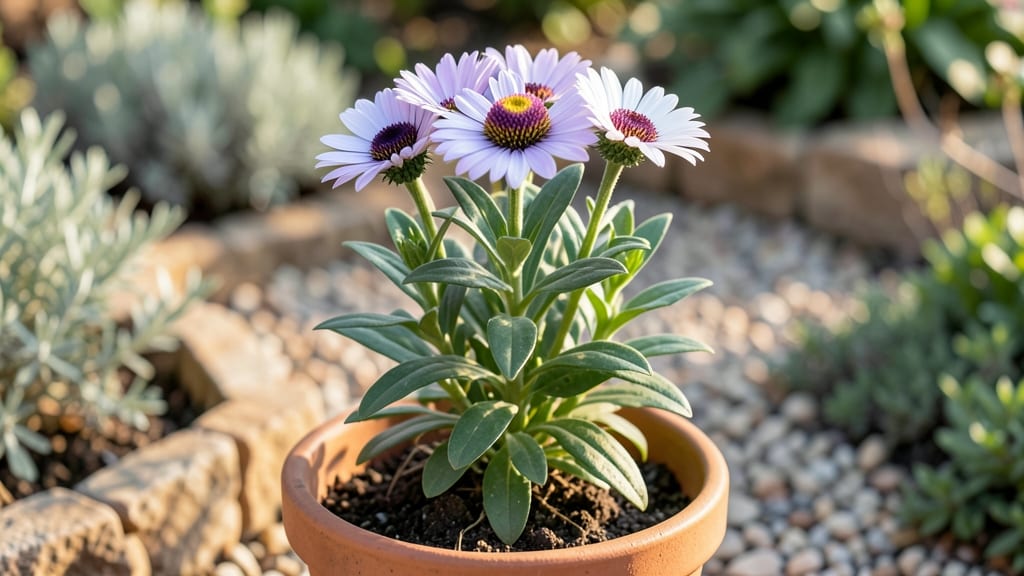
African daisy bloom time depends on heat, variety, and your zone—but once you know the triggers, you can stretch those vibrant 🌼 flowers from late spring through early fall with minimal effort.
Picture this: You’ve waited all season for those bold blooms, only to watch them fade before summer’s peak. The secret? African daisies (Osteospermum) need consistent warmth to trigger flowering, and timing varies wildly by type and climate.
In Zone 6a, for example, 'Blue Danube' might burst into color by June, while 'Sunset Yellow' could hold off until July—unless you tweak a few key factors.
Sunlight, soil warmth, and even pruning can shift bloom windows by weeks. Below, I’ll break down the heat thresholds for popular varieties, how to read your zone’s cues, and the 3 simplest tricks to coax extra blooms when the season starts to wane.
Whether you’re chasing spring color or fall interest, these insights will help you turn your African daisies into a year-round showstopper—no guesswork required.
African daisy bloom time by variety: when each type responds to heat
The African Daisy (Osteospermum) thrives on heat, but not all varieties bloom at the same time. Some varieties like 'Pink Princess' kick off early spring, while others like 'Sunset Yellow' wait for summer's peak warmth.
Understanding these heat-triggered bloom windows helps you plan for season-long color with minimal effort.
Your USDA zone plays a huge role—cooler zones may see delayed blooms, while warmer climates enjoy year-round flowering with proper care. The key is matching the right variety to your local heat patterns and adjusting care to trigger blooms when you want them.
Heat requirements vary by variety, but most need daytime temps above 65°F (18°C) to bloom consistently. Some varieties even close up in extreme heat, so afternoon shade can help extend their season in Zone 9+ areas.
Let's break down the bloom windows for popular varieties and how to maximize their potential in your garden.
🌼 African Daisy Bloom Time by Variety
| Variety | Bloom Window | Heat Trigger (°F) | Zone Performance | Pro Tip |
|---|---|---|---|---|
| 'Blue Danube' | Late April - October | 60°F+ (15°C+) | Zones 7-11 | Deadhead weekly for continuous blooms |
| 'Pink Princess' | March - September | 55°F+ (13°C+) | Zones 6-10 | Early bloomer—plant in fall for winter color |
| 'Sunset Yellow' | June - November | 70°F+ (21°C+) | Zones 8-11 | Needs afternoon shade in Zone 10+ |
| 'Butterfly Blue' | May - October | 65°F+ (18°C+) | Zones 7-11 | Attracts pollinators—great for summer gardens |
| 'Carnival Red' | April - November | 60°F+ (15°C+) | Zones 6-11 | Tolerates light frost—ideal for cooler zones |
'Blue Danube' is my go-to for long-season blooms—it starts in late April and keeps going until frost. This variety loves full sun and responds beautifully to regular deadheading, which encourages new flowers to form.
The 'Pink Princess' variety is a cool-weather performer that blooms earlier than most, making it perfect for spring containers or fall plantings. In Zone 6, it often blooms until September, while in warmer zones, it may need afternoon shade to prevent wilting.
'Sunset Yellow' is the late-season powerhouse, thriving when temps hit 70°F+ (21°C+). This variety is ideal for summer heat gardens but may close up during midday heatwaves in Zone 10+. A light shade cloth can help maintain its vibrant color.
If you're in Zone 7 or cooler, focus on 'Pink Princess' or 'Carnival Red' for early blooms. These varieties tolerate light frost and will reward you with spring color even in challenging climates.
For continuous blooms, mix varieties with staggered bloom windows. For example, plant 'Blue Danube' for early summer and 'Sunset Yellow' for late summer to avoid gaps in your garden's color
How USDA zones 7-11 affect African daisy bloom timing
Your USDA zone determines when your African daisies will burst into color—hotter climates trigger earlier blooms, while cooler zones need strategic planning. In Zone 7, expect spring blooms starting in April-May, while Zones 9-11 can enjoy year-round flowering with proper care.
Temperature swings between 60°F-85°F are ideal for continuous blooms.
African daisies thrive on heat triggers—they need consistent warmth to set buds. In Zone 8, plant in early spring for summer blooms, but fall planting can extend flowers into winter holidays. Meanwhile, Zone 10-11 gardeners can plant anytime and enjoy nonstop color with minimal dormancy.
In cooler zones (7-8), temperature swings can shock blooms. If nights dip below 55°F, use row covers to extend the season. I’ve seen Zone 7 daisies rebloom in October after a warm spell—just remove covers during the day for sunlight.
For continuous flowering, time your deadheading with heat waves. In Zones 9-11, prune aggressively after 100°F days to force new growth. I deadhead every Monday morning in Zone 10—this keeps my 'Sunset Yellow' variety blooming 12 months/year.
Pro tip: Soil temperature matters more than air temperature. Use a soil thermometer—plant when roots hit 65°F+. In Zone 7, I wait until May 1st to avoid late frosts that kill tender new growth.
With these zone-specific tricks, you can turn your African daisies into a year-round color show, regardless of your climate. Start experimenting with fall plantings in Zone 8 or winter protection in Zone 7—your garden will thank you! 🌼