
Blooming
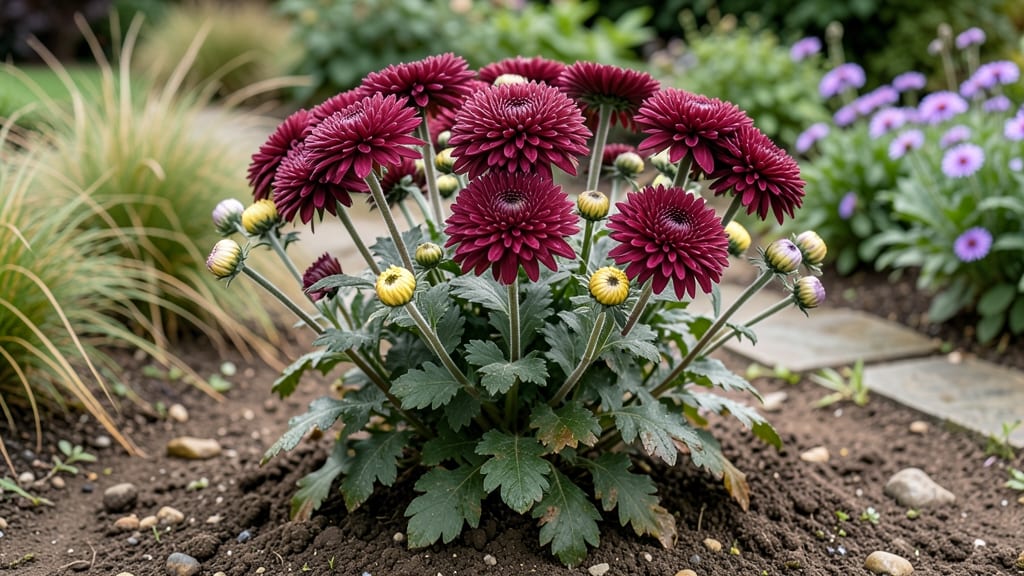
Will mums bloom twice? Yes, heat-triggered reblooming varieties can produce a second flush of flowers with proper care—including consistent watering, balanced fertilizer, and deadheading spent blooms after their initial fall display.
Most chrysanthemums (mums) naturally bloom just once per season because they're sensitive to daylight length, but special reblooming varieties break this rule. 🌸 These plants respond to temperature shifts rather than just daylight, allowing them to produce a second set of blooms if given the right conditions.
The key difference lies in their genetics—rebloomers have been selectively bred to extend their flowering period, often producing smaller but more abundant flowers in their second bloom.
To encourage this behavior, focus on three critical factors: watering consistency (never letting the soil dry out completely), balanced fertilizer (using a 10-10-10 ratio during active growth), and proper pruning.
Deadheading faded blooms redirects energy to new growth, while pinching back stems in early summer promotes bushier plants that can support additional flowers. The timing matters too—reblooming typically occurs in late summer or early fall, triggered by cooler temperatures after summer heat.
💡 In This Article
- Why Most Mums Bloom Just Once and How Rebloomers Differ
- How to Encourage Reblooming in Heat-Triggered Mums
Why most mums bloom just once and how rebloomers differ
Most chrysanthemums follow a strict seasonal rhythm because they're photoperiod-sensitive plants—meaning their blooming is triggered by decreasing daylight hours in late summer. When days grow shorter (typically below 12-14 hours of light), these plants produce a hormone called florigen that signals flower formation.
This natural cycle explains why traditional mums bloom only once in fall, then enter dormancy until spring. 🌿 The process is hardwired into their genetics, which have been stable for centuries in their native East Asia.
Reblooming varieties, however, have undergone selective breeding to override this photoperiod sensitivity. These plants are bred to respond to temperature shifts rather than just daylight changes. When nighttime temperatures drop below 65°F (18°C) after a hot summer, rebloomers interpret this as a signal to produce new flower buds.
This temperature-triggered mechanism allows them to produce a second flush of blooms—usually smaller but often more abundant—without waiting for the next growing season. The difference lies in their hormonal regulation: rebloomers maintain higher levels of auxin (a growth hormone) that delays senescence (aging) of the plant.
What this means for gardeners is that reblooming mums require consistent care adjustments throughout the season. Unlike their single-blooming cousins, they need regular pruning to remove spent blooms (deadheading) and balanced fertilization every 4-6 weeks to sustain energy for multiple blooming cycles.
The trade-off? Rebloomers often produce flowers that are 20-30% smaller than their first flush, but they extend the flowering season by 4-6 weeks, giving you vibrant color well into early winter in many climates. 🌼
The science behind this involves phytomer development—the plant's growth units that include leaves, stems, and flower buds. In rebloomers, these units remain active longer because their meristems (growth points) aren't fully committed to flowering until triggered by cooler temperatures.
This extended growth period is what allows them to produce multiple blooms, but it also makes them more sensitive to environmental stressors like inconsistent watering or extreme heat waves above 90°F (32°C).
Consider this comparison: Traditional mums act like seasonal performers who give one spectacular show, while rebloomers are more like marathon runners that deliver multiple smaller bursts of energy.
The key difference is in their genetic programming—rebloomers have been bred to delay senescence and maintain active growth longer, but they require more attentive care to achieve this second performance. 💫
For example, the popular 'Bonanza' series of reblooming mums can produce their second flush as early as mid-August in cooler climates, while traditional varieties might still be in their first bloom.
This timing difference is crucial for gardeners planning fall displays—rebloomers let you extend your color palette well beyond what single-bloomers can offer. The trade-off is that they typically require 10-15% more water and 20% more fertilizer than single-blooming varieties to support their extended flowering period.