
Blooming
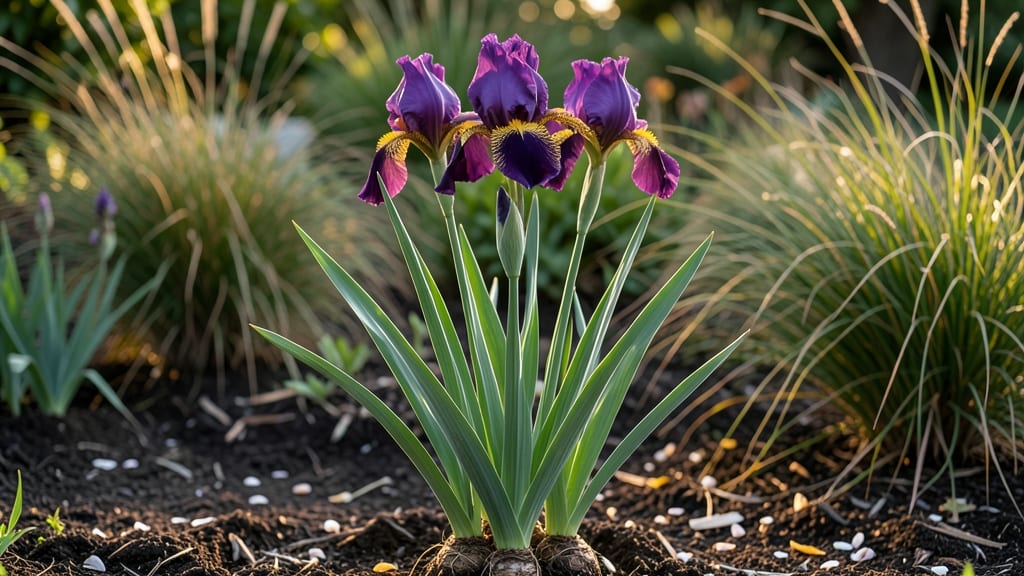
Irises in Texas bloom when the weather warms just enough to trigger their growth—typically between late winter and early spring, with heat-loving varieties stretching into summer.
Texas gardeners know timing is everything—especially with Bearded Iris 🌸, which can throw off blooms if the heat arrives too early or the soil stays too wet.
In North Texas, you’ll often see those classic purple spikes in March or April, while South Texas varieties may bloom as early as February or even push into May with the right care.
The key to predicting your irises’ schedule lies in your zone, the variety you’ve planted, and a few simple adjustments—like mulching to regulate soil temperature or watering deeply but infrequently. Skimp on these, and you might end up with missed blooms or plants that struggle in the Texas heat.
Below, I’ll break down the exact bloom windows for your zone, the best iris types for Texas gardens, and the three tricks that’ll keep your plants flowering reliably year after year—no guesswork required.
Texas Iris bloom seasons by hardiness Zone: when to expect flowers
Texas irises love the heat, but their bloom times vary wildly depending on your USDA hardiness zone and the specific variety. In Zone 6 (North Texas), expect late spring blooms around April-May, while Zone 10 (South Texas) may see irises flowering year-round with peaks in fall and winter.
The key difference? Heat-triggered varieties like Louisiana irises bloom when temperatures rise, while traditional bearded irises follow seasonal cues.
Native Texas irises, such as Iris brevicaulis and Iris giganticaerulea, often bloom in early spring before summer heat sets in. Meanwhile, Louisiana irises (like Iris hexagona) thrive in Zone 7-10 and may bloom twice yearly—once in spring and again in fall when temperatures dip slightly.
Understanding these patterns helps you plan your garden for maximum color impact.
Here’s how bloom times break down by zone, including frost-free exceptions and heat-triggered adjustments:
| USDA Zone | Primary Bloom Window | Heat-Triggered Varieties | Frost Impact |
|---|---|---|---|
| Zone 6 (North Texas) | Late April–May | Louisiana irises (fall blooms) | Late frosts delay blooms |
| Zone 7 (Central Texas) | March–April + September–October | Iris brevicaulis (spring), Louisiana irises (fall) | Minimal; may bloom year-round |
| Zone 8 (Hill Country) | February–March + August–September | Iris giganticaerulea (spring), Louisiana irises (fall) | Light frosts may stunt growth |
| Zone 9 (East Texas) | January–February + October–November | Louisiana irises (year-round potential) | None; blooms year-round |
| Zone 10 (South Texas) | Year-round with peaks in spring/fall | Iris hexagona (continuous blooms) | None; heat triggers blooms |
In Zone 6, where frosts are common, irises often bloom just once in late spring (April–May) to avoid winter damage. However, Louisiana irises can surprise you with fall blooms when temperatures drop slightly. In contrast, Zone 10 gardeners enjoy near-continuous blooms because heat triggers many varieties to flower year-round.
The transition zones (7-9) offer the best of both worlds: spring and fall blooms with minimal frost interference.
Temperature shifts play a huge role in bloom timing. For example, a sudden 10°F drop in Zone 8 might delay spring blooms by 2-3 weeks, while a heatwave in Zone 9 can force Louisiana irises to bloom earlier than expected.
To encourage consistent blooms, I recommend planting a mix of native Texas irises (like Iris giganticaerulea) alongside heat-loving Louisiana varieties for seasonal variety.
If you’re in a frost-free zone (like Zone 10), you can even extend the bloom season by providing partial shade in summer to protect irises from extreme heat. In cooler zones (like Zone 6), mulching with straw or pine needles helps insulate rhizomes and encourages earlier spring blooms.
The key is matching your iris selection to your local microclimate—whether that’s a shady woodland edge or a sun-drenched prairie.
Pro tip: Prune spent blooms immediately after they fade to redirect energy to next year’s flowers. In Zone 7-10, this means deadheading twice a year—once in spring and again in fall.
For Zone 6, focus on post-bloom care in May to prepare for next season. The goal is to keep your irises healthy enough to rebloom reliably year after year.
Don’t forget that soil moisture
Heat-triggered Iris varieties that thrive in Texas heat (and when they bloom)
If you're dreaming of vibrant iris blooms in your Texas garden, you’ll love these heat-triggered varieties that not only survive but thrive in our scorching summers.
Unlike traditional irises that struggle with 100°F+ temperatures, these native and adapted species bloom reliably when daytime temps rise, often producing two bloom cycles per year—spring and fall. The key is choosing varieties that match your Texas hardiness zone and understanding their unique heat cues.
Texas gardeners often overlook native Louisiana irises and blue flag irises (Iris brevicaulis), but these are the superstars of heat tolerance. They bloom in response to rising temperatures after winter dormancy, making them perfect for our unpredictable climate.
For example, Iris hexagona (harlequin blue flag) often blooms in late winter to early spring and again in fall when temps dip slightly. Meanwhile, Louisiana irises like 'George' or 'St. Louis' burst into color in spring and fall, aligning perfectly with Texas’s cooler transition months.
- 🌱 Spring Bloom: February–April (after last frost, triggered by consistent 60°F+ temps)
- 🌿 Fall Bloom: September–November (as daytime heat cools slightly, often after 90°F+ spells)
- ☀️ Heat-Triggered Varieties: Iris hexagona (blue flag), Iris brevicaulis (zigzag iris), Louisiana irises ('George', 'St. Louis')
- ✂️ Care Tip: Deadhead spent blooms to encourage reblooming in fall; mulch heavily in summer to retain moisture
- 💧 Watering Hack: Deep water 2x/week in 100°F+ heat; reduce to weekly once blooming starts
One of my favorite Texas-adapted irises is the Iris brevicaulis, or zigzag iris, which thrives in North and Central Texas (zones 7–9). Its delicate lavender blooms appear in early spring and often return in fall if given well-draining soil and partial shade in peak summer.
For South Texas gardeners (zones 9–11), Louisiana irises are a must—they bloom earlier in spring and later into fall, taking full advantage of our extended growing season.
To extend your irises’ blooming season, focus on soil prep and watering strategies. Amend your soil with sand or grit to improve drainage, and avoid over-fertilizing with nitrogen, which promotes foliage over flowers.
Instead, use a balanced 5-10-10 fertilizer in early spring and late summer to encourage blooms. I’ve found that mulching with straw in summer keeps roots cool and reduces water loss, which is critical during Texas heatwaves.
Don’t forget that pruning plays a role in timing blooms. After the first spring bloom cycle, cut back dead foliage by 1/3 to redirect energy to fall reblooms.
For Louisiana irises, which grow in wet soil, reduce water slightly in late summer to signal the plant to prepare for fall blooming. This trick works wonders in Houston and San Antonio, where humidity can otherwise stress these beauties.
With the right heat-triggered varieties and a few Texas-specific care tweaks, you can enjoy iris blooms for nearly half the year.
Start with Iris hexagona or Louisiana irises, plant them in full sun to partial shade, and watch them reward you with stunning color when it matters most—just as the heat starts to ease.