
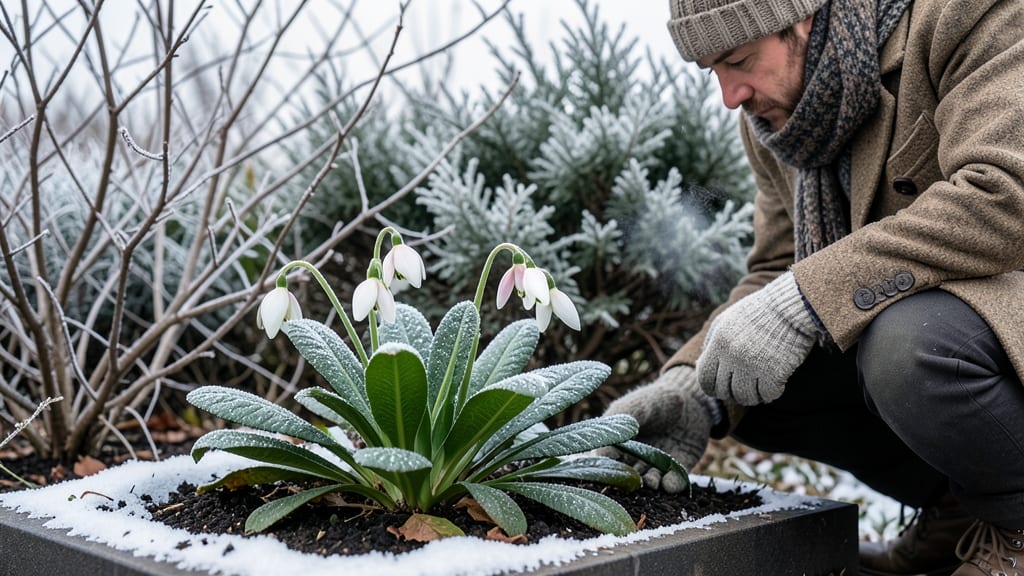
Are There Flowers That Bloom in Winter: Cold-Hardy Varieties for Year-Round Color

Flowers

Are There Flowers That Bloom in Winter: Cold-Hardy Varieties for Year-Round Color

Are there flowers that bloom in winter? The answer is a resounding yes, and they bring color and life to your garden when everything else seems dormant, with the right choices making all the difference.

Winter gardens aren’t doomed to brown monotony—some flowers thrive in cold weather, offering vibrant color and life when most plants sleep. Whether you’re in Zone 5 or a milder climate, there are cold-hardy varieties that will transform your landscape into a seasonal masterpiece.

From hellebores with their nodding blooms to winter jasmine with its bright yellow flowers, these plants prove that winter isn’t a dead season. Many require minimal care, making them perfect for busy gardeners who still want beauty year-round.

Below, I’ll share the top 10 winter-blooming flowers, their hardiness zones, and simple care tips to keep them thriving—plus how to extend their blooming season with easy pruning and mulching.

Top 10 winter-blooming flowers that survive frost and snow

When most gardens fade into dormancy, winter-blooming flowers emerge as resilient stars, defying frost with stunning blooms. These cold-hardy varieties thrive in temperatures below freezing, offering vibrant color and life when most plants sleep.

Whether you're in USDA Zone 3 or warmer regions, these flowers prove winter gardens can be just as dynamic as spring or summer landscapes.

My top picks for winter color include hellebores, winter jasmine, and snowdrops, each bringing unique textures and hues to cold-season gardens. These plants not only survive frost but often flourish in it, making them ideal for low-maintenance gardeners who crave year-round interest.

Let's explore the hardiest options that will keep your garden vibrant through the coldest months.

Below is a curated list of 10 frost-resistant flowers that bloom in winter, complete with their ideal growing conditions, hardiness zones, and care requirements. Whether you're designing a full winter garden or just adding pops of color to your landscape, these varieties deliver reliable performance.

Flower Name Bloom Season Hardiness Zones Sunlight Needs Care Tips
Hellebores Late winter to early spring 3-9 Partial shade Drought-tolerant; mulch in winter
Winter Jasmine Late winter 5-9 Full sun Prune after blooming; frost-resistant
Snowdrops Early winter 3-9 Partial shade Naturalize in woodland gardens
Camellias Winter to early spring 7-10 Partial shade Acidic soil; protect from harsh winds
Winter Aconite Late winter 4-8 Full sun to partial shade Self-seeds easily; deadhead spent blooms
Pansies Fall to early spring 3-11 Full sun to partial shade Remove faded blooms; mulch for frost
Cyclamen Late fall to winter 5-9 Partial shade Keep soil moist; avoid overhead watering
Christmas Rose Winter 3-8 Partial shade Woodland garden plant; mulch heavily
Dwarf Iris Late winter to spring 4-9 Full sun Divide clumps every 3-4 years
Winter Hone

How to create a stunning winter garden: planting and care tips

Creating a vibrant winter garden starts with selecting the right cold-hardy flowers that thrive in frost and snow. Unlike spring or summer bloomers, these varieties are specifically bred to withstand sub-freezing temperatures while still delivering stunning color.

The key is choosing plants that match your USDA hardiness zone and providing proper care to extend their blooming season.

Before planting, prepare your soil by adding organic compost to improve drainage and nutrient retention. Winter gardens often face soggy conditions, so amending the soil with perlite or sand helps prevent root rot.

Focus on areas with partial shade to full sun, as many winter bloomers tolerate cooler light conditions better than intense summer heat.

Here's a quick tip to maximize your winter garden's impact: Layer plants with varying heights and textures. Tall varieties like winter jasmine (Jasminum nudiflorum) can serve as vertical accents, while low-growing snowdrops (Galanthus) add delicate ground cover. This creates visual interest even when other plants are dormant.

❄️ Yes, there ARE flowers that bloom in winter!

While many plants go dormant, these cold-hardy varieties defy winter's chill: Hellebores (Lenten roses), Winter Aconite (Eranthis hyemalis), and Cyclamen (hardy types) all thrive in USDA Zones 4-8.

For full sun exposure, try Winter Daphnes (Daphne mezereum) or Mahonia, which bloom in late winter. Even pansies and violas can survive light frosts with proper mulching!

When arranging your winter garden, group plants with similar watering needs together. Most winter bloomers prefer moderate moisture—water deeply once a week unless you experience heavy frost or snow.

Avoid overwatering, as cold soil can't absorb excess moisture quickly. A 3-inch layer of mulch around plants helps insulate roots and retain moisture during thaw cycles.

To extend the blooming season, practice selective pruning after flowers fade. For example, deadhead hellebores in early spring to encourage new growth, but leave seed pods on winter jasmine for winter interest.

Fertilize lightly in early fall with a balanced 10-10-10 formula to give plants a nutrient boost before winter dormancy.

Don't forget to incorporate companion plants that provide texture and structure. Evergreens like boxwood (Buxus) or holly (Ilex) create a lush backdrop, while ornamental grasses add movement. These combinations make your winter garden feel intentional and well-designed, even when other plants are resting.

With the right plant selection, soil prep, and seasonal care, your winter garden can be just as stunning as your spring or summer displays.

Start small with 3-5 cold-hardy varieties, and expand as you learn what thrives best in your microclimate. Your winter garden will become a year-round highlight! 🌷❄️

★★★★★4.8(1 review)
Categories Flowers