
Blooming
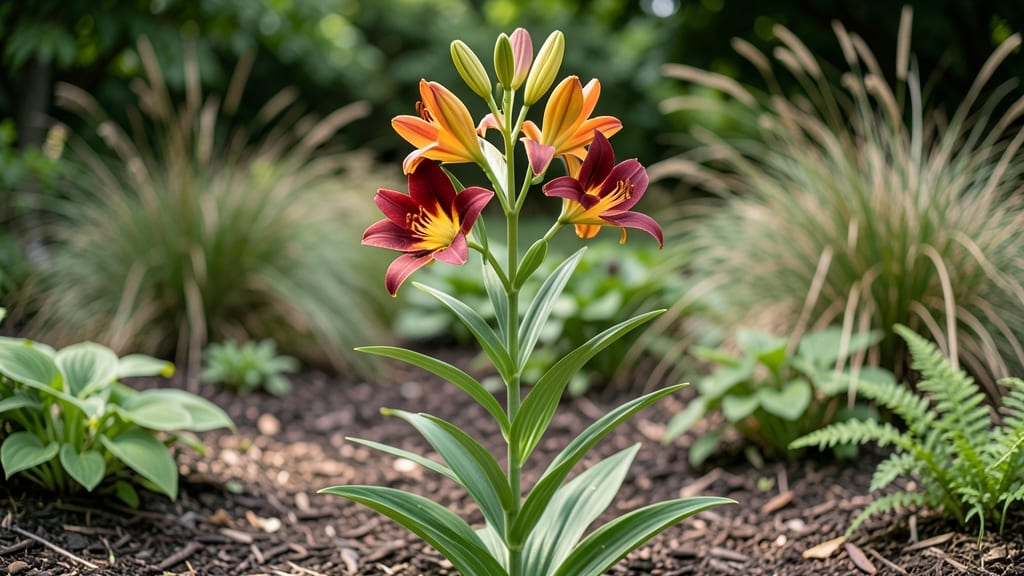
The Asiatic lily bloom season brings a burst of fiery colors 🌸 that turn any garden into a showstopper—but only if you nail the timing and care.
Picture this: bold spikes of red, orange, and yellow lighting up your yard from late spring through early summer, drawing neighbors to pause and admire. But miss the window, and you’ll end up with half-hearted blooms—or worse, no flowers at all.
That’s why knowing exactly when and how to coax these beauties into full bloom is the difference between a stunning display and a disappointing flop.
From USDA Zone 6a to warmer climates, the bloom season shifts, and a few simple tweaks—like soil prep, watering, and fertilization—can stretch those vibrant spikes by weeks.
Whether you’re a first-time grower or a seasoned gardener, these insider tips will help you maximize every petal and keep your lilies thriving year after year.
Below, I’ll break down the ideal bloom windows, how to push them earlier or later, and the common mistakes that rob you of those jaw-dropping spikes. Ready to transform your garden into a lush, colorful masterpiece?
When Asiatic lilies bloom: exact season & climate Zones
Timing is everything when it comes to Asiatic lily blooms. These stunning flowers typically burst into color between mid-June and August, but the exact timing depends heavily on your USDA hardiness zone and local climate.
Unlike their Oriental lily cousins, Asiatics thrive in warmer climates and bloom earlier in the season, making them perfect for summer garden displays.
Your location plays a crucial role in predicting bloom windows. Gardeners in Zones 3-5 often see blooms starting in late June, while those in Zones 6-9 may enjoy earlier displays as early as May.
Temperature fluctuations—especially warm spring nights—act as natural triggers for these bulbs to push up their vibrant spikes.
The key to maximizing your Asiatic lily season lies in understanding these climate zone differences. In colder northern regions, blooms may arrive later but last longer due to cooler summer temperatures. Meanwhile, southern gardeners might experience earlier—but potentially shorter—bloom periods thanks to intense summer heat.
Here’s how your specific hardiness zone impacts bloom timing:
| USDA Zone | Typical Bloom Window | Seasonal Triggers | Microclimate Tips |
|---|---|---|---|
| Zones 3-5 | Late June - Early August | Cool nights after warm days | Plant near south-facing walls for warmth |
| Zones 6-7 | Mid-June - Late July | Stable 60-70°F nights | Use mulch to regulate soil temps |
| Zones 8-9 | May - Early June | Warm soil temperatures | Provide afternoon shade in extreme heat |
In Zones 3-5, where winters are harsh, Asiatic lilies often wait for consistent soil temperatures above 50°F before sending up shoots. This typically happens after your last frost date, which can vary from mid-April in Zone 5 to late May in Zone 3.
The result? A slightly delayed but longer-lasting bloom season.
Gardeners in Zones 6-7 enjoy the sweet spot for Asiatic lilies. With milder winters and longer growing seasons, these zones often see blooms starting as early as mid-June. The key here is maintaining even moisture levels—neither too dry nor soggy—during the critical 6-8 week period before blooming begins.
For those in Zones 8-9, where summers can be brutally hot, Asiatic lilies may bloom as early as May but often produce shorter-lived flowers. To combat this, I recommend planting in partial afternoon shade and keeping soil consistently moist.
This helps prevent the buds from opening too quickly in the heat.
Regional variations also matter. In the Pacific Northwest, cooler summers can extend the bloom season into early September, while in the Southeastern U.S., intense summer heat may cause blooms to appear earlier but fade faster.
Always consider your local microclimate—like urban heat islands or protected garden spots—that can shift bloom times by 2-3 weeks.
One common misconception is that Asiatic lilies bloom in spring. While they do emerge from the ground in spring, their actual flowering period is firmly in summer.
This timing makes them perfect companions for other summer bloomers like daylilies and black-eyed Susans, creating a non-stop color show from June through August.
To maximize your Asiatic lily season, pay attention to these temperature triggers: warm days (70-80°F) followed by cool nights (55-65°F) signal the bulbs to push up their dramatic spikes.
In hotter climates, you might need to provide afternoon shade or use lightweight mulch to keep roots cool and encourage longer-lasting blooms.
Remember, every garden is unique! If your lilies aren't blooming on schedule, check for adequate sunlight (they need 6+ hours daily) and proper soil drainage. With the right conditions, your Asiatic lilies will reward you with vibrant summer color that turns heads all season long. 🌸
How to extend Asiatic lily bloom season with pro tips
Want your Asiatic lilies to burst into color weeks earlier—or linger longer into fall? The secret lies in strategic care that mimics their natural preferences.
These sun-loving perennials thrive when given the right conditions, and with a few timing tweaks, you can push their bloom season by 3-4 weeks in either direction. Let’s dive into the proven methods that’ll keep your garden ablaze with vibrant spikes from late spring to early autumn.
First, focus on soil preparation—these lilies demand well-draining, nutrient-rich soil with a pH between 6.0 and 7.0. Amend your garden beds with compost or aged manure in early spring to jumpstart growth.
I’ve found that adding a slow-release bulb fertilizer at planting time gives my lilies a head start, especially in cooler climates where spring arrives late.
For earlier blooms, plant bulbs in late summer or early fall—this gives roots time to establish before winter, so they’re ready to shoot up as soon as temperatures rise.
🌱 Pro Tips to Extend Bloom Season
- 🌿 Soil Prep: Mix in compost and bone meal (3-4 inches deep) before planting for phosphorus-rich soil that boosts root growth.
- ☀️ Sunlight: Ensure 6+ hours of direct sun daily—partial shade delays blooming by 2-3 weeks.
- 💧 Watering: Deep water every 5-7 days (morning only) to prevent stress; avoid soggy soil.
- ✂️ Pruning: Remove spent blooms immediately but leave foliage until yellow to recharge bulbs.
- 🌡️ Mulching: Apply 3-inch mulch layer in late fall to insulate roots and extend spring blooms.
- 🌱 Fertilizing: Feed with balanced 5-10-10 fertilizer in early spring and after blooming to strengthen bulbs.
- 🪴 Staking: Use soft ties for tall varieties to prevent wind damage, which can shorten bloom duration.
Watering plays a critical role in extending your lilies’ glory. These plants hate wet feet but crave consistent moisture—think of it as giving them a deep drink every 5-7 days rather than light sips daily.
I water mine before 10 AM to let foliage dry quickly, which prevents fungal diseases like botrytis. During peak summer heat, increase frequency to every 3-4 days and watch your blooms stay perkier and longer-lasting.
Pro tip: Use a soaker hose to deliver water directly to the roots without wetting the leaves.
Don’t overlook the power of mulching—this simple step can shift your bloom season by 2-3 weeks. In early spring, apply a 2-inch layer of straw or shredded leaves to retain soil moisture and warmth.
For fall-blooming extensions, add mulch in late summer to protect roots from early frost and keep soil temperatures stable. I’ve seen mulched beds produce second flushes of blooms in late summer when unmulched plants have already faded.
Pruning might seem counterintuitive, but it’s a game-changer for prolonging blooms. Always deadhead spent flowers by snipping the stem just above a leaf node—this redirects energy from seed production back into new flower buds. However, never cut back foliage until it turns yellow-brown in fall.
The leaves are photosynthesizing to feed the bulb for next year’s blooms! I’ve had readers ask why their lilies stopped blooming entirely—90% of the time, it’s because they pruned too early.
Finally, fertilization timing can make or break your bloom season. Use a balanced 5-10-10 fertilizer in early spring as shoots emerge, then again after blooming ends to build bulb reserves. Avoid high-nitrogen feeds—they’ll give you leafy growth but fewer flowers.
My secret weapon? A half-strength feed every 6 weeks during the growing season keeps lilies healthy without overstimulating them. For late-season blooms, add a low-phosphorus fertilizer in mid-summer to encourage new spikes.
With these pro tips, your Asiatic lilies will reward you with longer, more abundant blooms—turning your garden into a seasonal spectacle from late spring to early fall. 🌸