
Blooming
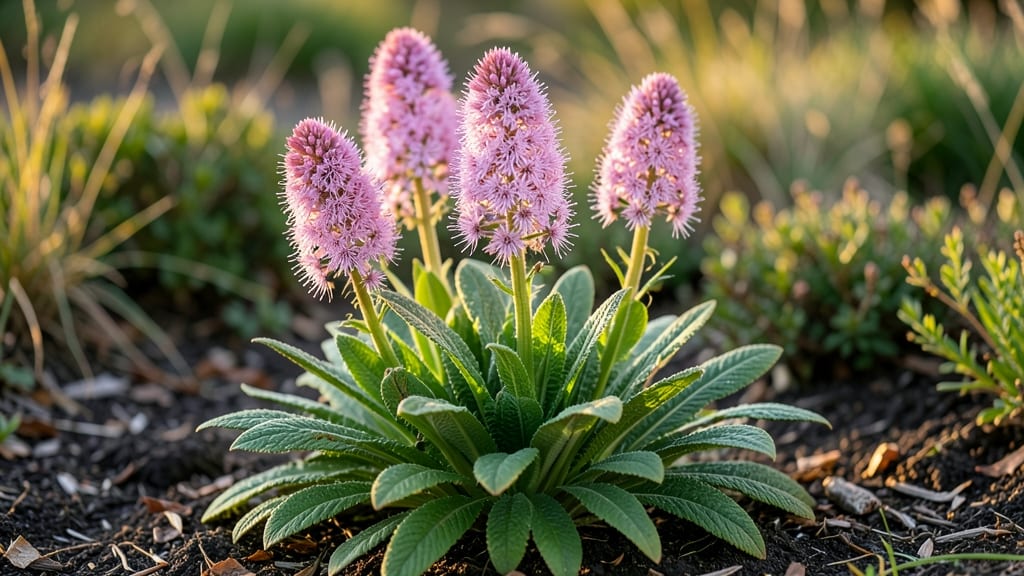
Your astilbe bloom season can stretch from late spring through summer, offering months of feathery plumes if you know the secrets to timing and care.
If your astilbe plants are putting out just one spectacular summer show before fading into floppy stems, you’re missing out on months of vibrant blooms—with the right techniques, astilbe can rebloom twice in a season!
This guide covers when astilbe naturally blooms in your zone (Zones 3-9), how climate affects timing, and the proven tricks to coax a second flush of flowers.
From selecting the best varieties like 'Fanal' to mastering pruning and fertilizer strategies, you’ll discover how to turn a single burst of color into a season-long display of feathery beauty.
Astilbe bloom season timeline by US hardiness Zones
If you’ve ever wondered why your astilbe blooms seem to vanish after one summer show, the answer lies in your USDA hardiness zone and the specific variety you’re growing.
Astilbe naturally blooms between late spring and early fall, but the exact timing—and whether they’ll rebloom—depends heavily on where you live. In cooler zones like Zones 3-5, you’ll typically see one long bloom period, while warmer Zones 6-9 can coax a second flush with the right care.
Climate plays a huge role in bloom timing. Cooler northern zones trigger blooms earlier in the season, often starting as early as May, while southern zones may see delayed blooms until June or July.
Humidity and rainfall also influence reblooming potential—drier climates may need extra watering to encourage a second show. Understanding these patterns helps you select the right astilbe varieties for your garden’s conditions.
Early bloomers like Astilbe chinensis start flowering in late May and finish by July, while late varieties such as Astilbe simplicifolia peak in August. Reblooming is more common in Zones 6-9, where warm summers and mild winters create ideal conditions for a second flush of blooms—usually appearing 6-8 weeks after the first. In colder zones, focus on prolonging the first bloom rather than chasing reblooms.
| USDA Zone | Primary Bloom Window | Rebloom Potential | Best Varieties for Zone | Climate Notes |
|---|---|---|---|---|
| Zones 3-4 | Late May - Early July | Low (1 bloom) | 'Deutschland', 'Bridal Veil' | Short growing season; prioritize cold-hardy types |
| Zones 5-6 | Early June - Late July | Moderate (possible 2nd bloom) | 'Fanal', 'Glut Game' | Humid summers may extend first bloom |
| Zones 7-8 | Mid-June - Early August | High (2 blooms with care) | 'Astilbe chinensis', 'Simplicifolia' | Hot, dry climates need extra water for reblooms |
| Zones 9 | Late June - September | Very High (3+ blooms possible) | 'Amethyst Falls', 'Vision' | Mild winters allow longer bloom seasons |
In Zones 3-4, where winters are harsh, astilbe typically produces just one late spring bloom before entering dormancy. Varieties like 'Deutschland' thrive here, offering pink plumes that last from May through July.
The key to success in these zones is protecting roots with a thick layer of mulch (3-4 inches) to insulate against freezing temperatures. Early spring fertilization with a balanced 10-10-10 mix can also jumpstart growth for a longer bloom period.
Gardeners in Zones 5-6 have the best chance of seeing reblooming astilbe if they deadhead spent flowers promptly and maintain consistent moisture.
The primary bloom usually occurs in June and July, but with proper care—like cutting back 1/3 of the foliage after the first bloom—you can trigger a second show in late summer.
Varieties like 'Fanal' (deep red) and 'Glut Game' (bright pink) are top performers in these zones due to their heat tolerance.
For those in Zones 7-9, astilbe can become a year-round performer with minimal effort. The first bloom arrives in June or July, and with regular deadheading and light fertilization (every 6 weeks), a second flush appears in August or September.
In Zone 9, where winters are mild, some varieties like 'Amethyst Falls' may even produce three blooms in a season! The trade-off is that hot, dry summers can stress plants, so mulching and drip irrigation are essential to keep roots cool and hydrated.
If you’re in a humid climate (common in Zones 6-8), be cautious about fungal diseases like powdery mildew, which can shorten bloom seasons. Spacing plants 12-18 inches apart and ensuring good air circulation helps prevent issues.
In contrast, dry climates (like parts of Zone 9) may require daily watering during heatwaves to maintain vibrant blooms. Always choose well-draining soil to avoid root rot, which can kill plants mid-bloom season.
Pro tip: Early bloomers like Astilbe chinensis
Proven techniques to trigger astilbe reblooming after first flower
Your astilbe plants might feel like they’re throwing a one-hit-wonder show each summer, but with the right care, you can coax them into a second bloom cycle. The secret lies in strategic pruning, deadheading, and fertilizer timing—all while avoiding common post-bloom mistakes.
Let’s break down how to extend your astilbe’s vibrant display from one season to two.
After the first flush of blooms fades, many gardeners assume their work is done. But skipping the right post-bloom care can signal your astilbe to call it quits for the year.
The key is to act quickly after the first flowers wilt—typically in late summer—to encourage new growth and a second round of blooms. This approach works best for perennial astilbe varieties like 'Fanal' or 'Deutschland'.
Critical Mistake Alert: Over-Pruning After Bloom
Cutting back too aggressively after the first bloom removes next year’s flower buds, which form on current season’s growth. Instead, trim spent blooms to just above the first set of healthy leaves—never below the crown—to preserve energy for reblooming.
Start by deadheading spent blooms immediately after they fade. Use clean, sharp pruning shears to snip stems at a 45-degree angle, about 2 inches above the lowest set of leaves.
This redirects the plant’s energy toward new growth rather than seed production. For taller varieties like 'Glut Game', support stems with garden stakes to prevent flopping, which can stress the plant.
Feed your astilbe with a balanced fertilizer (10-10-10) right after deadheading. Apply it to moist soil and water thoroughly to avoid root burn. Avoid high-nitrogen fertilizers, which promote leafy growth at the expense of flowers.
Instead, opt for a phosphorus-rich formula to encourage blooming. Repeat this feeding every 4-6 weeks until early fall, but stop by mid-August to let the plant harden off before winter.
Watering plays a crucial role in reblooming success. Keep the soil consistently moist but never soggy—astilbe roots rot easily in waterlogged conditions. Aim for 1 inch of water per week, delivered in the morning to reduce fungal risks.
Mulch around the base with 2-3 inches of organic matter (like shredded bark) to retain moisture and regulate soil temperature. This step is especially important in hot, dry climates where astilbe can struggle.
Finally, monitor your astilbe’s light conditions. While they tolerate partial shade, too much shade can weaken growth and reduce reblooming. If your plants are in a low-light area, consider moving them to a spot with morning sun and afternoon shade.
In container gardens, rotate pots every few weeks to ensure even light exposure. With these adjustments, you’ll likely see new flower spikes forming by late summer or early fall.
Patience is key—reblooming may take 2-3 years to become consistent, but the effort is worth the extended season-long color display. By mastering these techniques, your astilbe will reward you with two stunning bloom cycles instead of one! 🌸