
Blooming
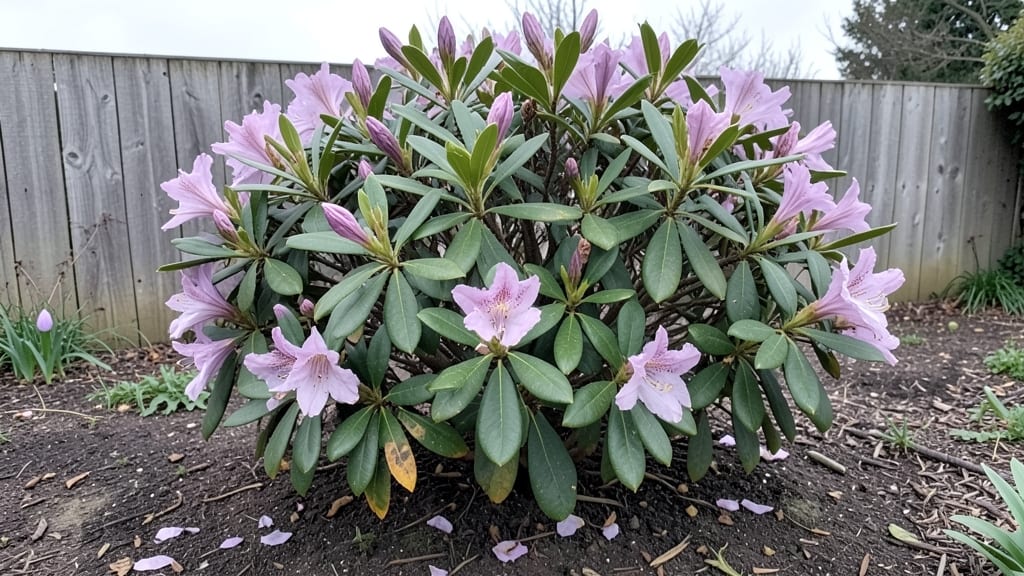
Azalea flowers bloom in late spring or early summer, typically between April and June, though exact timing depends on the specific variety and local climate conditions like temperature and sunlight exposure.
Timing isn't just about the calendar—it's also about your region's last frost date and the specific azalea type you're growing. 🌸 Southern gardeners might see blooms as early as March, while northern climates could delay them until July.
I’ve found that late-blooming varieties like Rhododendron 'Hershey's Red' often thrive in cooler summer areas, pushing their peak into June or even early July.
Even within the same month, factors like soil acidity and morning sun exposure can shift blooming windows by weeks. For example, Girard’s Pink azaleas typically bloom in May but may push to June in areas with heavy clay soil.
Testing your soil’s pH and adjusting with organic matter can help bring those vibrant colors right on schedule.
💡 In This Article
- Factors Influencing Azalea Blooming Seasons
- Best Azalea Varieties for Specific Bloom Times
Factors influencing azalea blooming seasons
Azalea blooming cycles are triggered by a combination of temperature fluctuations and photoperiod changes—meaning the plant needs both cold dormancy periods and increasing daylight. Most azaleas require 60-90 days of temperatures below 45°F during winter to break dormancy and initiate bud formation.
This cold requirement explains why southern varieties bloom earlier (March-April) than northern ones (May-June). Without sufficient chill hours, buds may fail to open or produce sparse flowers.
The science behind this involves a hormone called florigen, which signals blooming when day lengths exceed 12-14 hours of sunlight. Azaleas in regions with longer daylight periods (like the Pacific Northwest) often bloom earlier than those in areas with shorter spring days.
For example, Rhododendron 'Bowl of Beauty' typically blooms in May in Zone 7 but may push to June in Zone 5 due to later frost dates and shorter daylight windows.
Soil pH plays a critical role too—azaleas thrive in acidic soil (pH 4.5-6.0), where nutrient availability (especially iron and manganese) supports vigorous blooming. In alkaline soils (pH >7.0), nutrient deficiencies can delay or reduce flowering.
I’ve seen azaleas in clay-heavy soils (common in the Southeast) bloom 2-3 weeks later than those in well-drained, acidic loam because waterlogging stresses the roots, slowing metabolic processes.
Frost timing is another game-changer. Late spring frosts (28°F or below) can damage open buds, while early fall frosts (32°F) may force azaleas into dormancy prematurely.
In Zone 6-7, a 30°F frost in April can wipe out blooms, whereas Zone 8-9 gardeners might see frost-sensitive varieties like Rhododendron 'George L. Taber' bloom continuously from March through May if protected.
Sunlight exposure matters less than you’d think—azaleas prefer morning sun and afternoon shade to prevent leaf scorch, but too little light (under 4 hours daily) weakens the plant, delaying blooming.
In my Zone 8 garden, a Girard’s Pink azalea planted in full sun blooms 10 days earlier than one under a dense oak canopy, but the shade-grown plant produces larger, longer-lasting flowers.
What most gardeners overlook is the moisture-to-temperature ratio during bud set (late summer/early fall). Azaleas need consistent moisture but not waterlogged roots—soil temperatures below 50°F combined with dry conditions can stress the plant, pushing blooming into July or August.
In Zone 9, I’ve seen Rhododendron 'Nova' bloom in late June when fall rains kept soil temperatures ideal during bud formation.