
Blooming
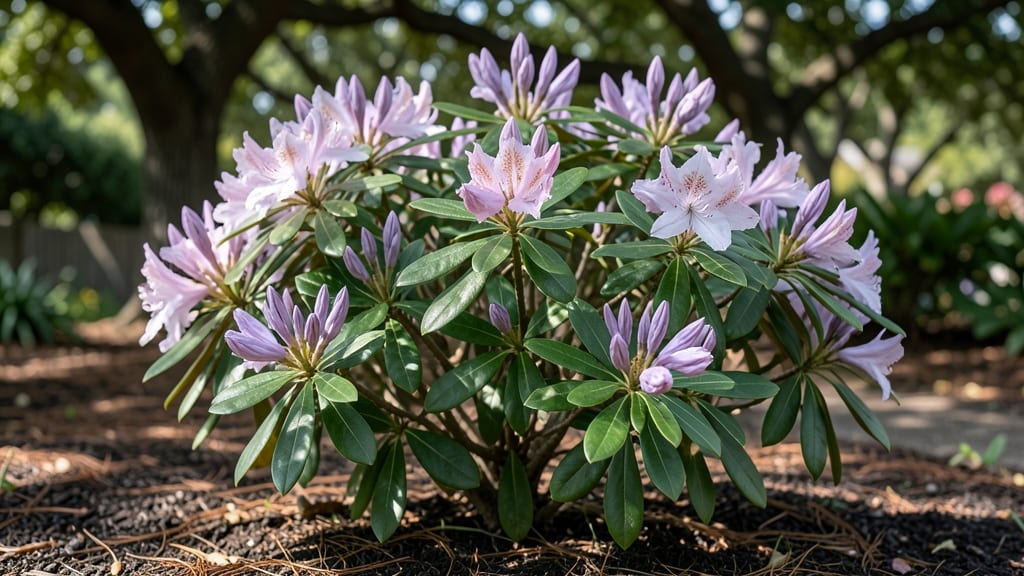
Some azalea varieties bloom three times a year thanks to specialized breeding that extends their flowering seasons beyond the traditional spring cycle. These repeat-blooming types, like Southern Indica hybrids or cultivars such as 'Southern Charm' and 'Encore,' rely on consistent warmth and moisture to trigger multiple blooming periods throughout the year.
This extended blooming behavior isn't just luck—it's the result of targeted plant breeding that modifies natural dormancy patterns. 🌸 Traditional azaleas follow strict seasonal cues, but these hybrids have genes that respond to temperature shifts rather than fixed dormancy periods.
That means you can enjoy vibrant blooms in spring, summer, and even fall, as long as you maintain ideal growing conditions. The key is providing balanced moisture and avoiding extreme temperature fluctuations, which can stress the plants and disrupt their delicate blooming cycles.
What's fascinating is how these varieties adapt to different climates. While some thrive in the mild, humid conditions of the Southeast, others can handle cooler regions if protected from harsh winters.
I've seen 'Encore' azaleas in USDA Zone 7 gardens producing stunning fall blooms when given afternoon shade and regular fertilization. The trade-off? They often require more maintenance than single-blooming types, but the year-round color makes it worth the effort for dedicated gardeners.
💡 In This Article
- How Selective Breeding Creates Triple-Blooming Azaleas
- Best Triple-Blooming Azalea Varieties for Year-Round Color
How selective breeding creates triple-blooming azaleas
The magic behind azaleas that bloom three times annually lies in their genetic makeup, specifically how breeders have modified their natural dormancy cycles. Traditional azaleas rely on a strict spring-only blooming pattern triggered by chilling hours (typically 500-1,000 hours below 45°F during winter).
However, triple-blooming varieties—like those in the Southern Indica group—have been bred to bypass this requirement by incorporating genes that respond to temperature fluctuations rather than fixed dormancy periods. 🌸
This genetic tweaking involves photoperiod-insensitive traits, meaning these azaleas don't need the shortening daylight of autumn to signal blooming. Instead, they rely on mild seasonal shifts, such as the cooling of summer evenings or the warming of spring mornings, to trigger flower buds.
For example, 'Encore' azaleas can produce blooms in spring, summer, and fall if the temperature stays within their ideal range of 60-75°F. The key is disrupting the plant's natural hormonal balance—specifically, reducing levels of abscisic acid (which promotes dormancy) while increasing gibberellins (which stimulate growth).
What makes this possible is the hybridization of Rhododendron indicum (a tropical species) with other azalea types. This cross introduces genes that thrive in consistent warmth, allowing the plant to skip the winter dormancy phase entirely. The result?
A shrub that can produce flowers every 8-12 weeks under optimal conditions, rather than just once a year. However, this comes with a trade-off: these varieties are often less cold-hardy than traditional azaleas, making them better suited for USDA Zones 7-9.
Breeders also focus on flower bud formation, which occurs in these triple-bloomers throughout the growing season. Unlike single-blooming types that form buds only in late summer, these hybrids can develop buds in spring, summer, and early fall.
This continuous budding requires careful management of nutrients and water, as the plant must support multiple blooming cycles. For instance, a well-fed 'Southern Charm' azalea might produce three distinct flushes of blooms in a single year if given balanced fertilization every 6-8 weeks and consistent moisture.
One fascinating detail is how these azaleas respond to artificial light. Unlike traditional varieties, triple-bloomers can be coaxed into blooming out of season by supplementing natural light with grow lights (12-14 hours/day). This trick is often used by commercial growers to extend the blooming window for cut flowers.
For example, a grower in Zone 8 might use grow lights in late summer to trigger a fall bloom cycle, ensuring a steady supply of flowers for holiday markets.
Understanding this process helps gardeners troubleshoot why their triple-blooming azaleas might fail to produce flowers. If a 'Karen Ann' azalea skips a blooming cycle, it could be due to temperature stress (below 50°F or above 85°F), nutrient deficiencies, or over-pruning that removes potential flower buds.
The key takeaway? These azaleas reward attentive care with year-round color, but they demand a more hands-on approach than their single-blooming cousins. ✨