
Blooming
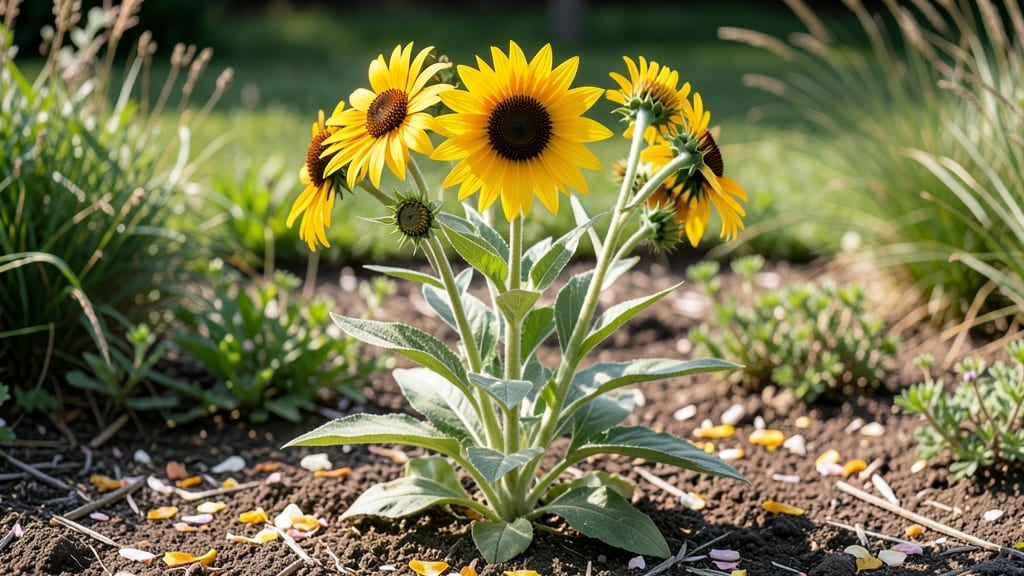
Black-Eyed Susans bloom in late summer, lighting up gardens with their cheerful yellow and brown centers 🌼 — but their natural season often feels disappointingly short.
If you’ve ever watched your favorite 🌼 display fade by early fall, you’re not alone. The secret to extending their beauty lies in simple pruning tricks that can add up to 6 weeks of vibrant color to your garden.
Timing matters most: prune at the right moment, and you’ll trigger a second wave of blooms just as the first ones start to wilt. Deadheading spent flowers isn’t just about looks—it’s the key to keeping your Black-Eyed Susans in peak form.
In this guide, I’ll walk you through the best pruning techniques, tools, and common mistakes to avoid—so you can enjoy your 🌼 flowers well into autumn without the guesswork.
When and how to prune Black Eyed Susans for extended bloom season
Black Eyed Susans (Rudbeckia hirta) naturally bloom from mid-summer to early fall, but with strategic pruning, you can push that season well into October. The key lies in understanding two critical pruning windows—early summer to encourage reblooming and late summer to extend the season.
I’ve found that staggered pruning (cutting back in stages) works best for a continuous display of golden-yellow blooms.
Timing matters more than you might think. Prune too early, and you risk stunting new growth. Prune too late, and you’ll miss the chance to trigger a second flush of flowers. My go-to method combines deadheading (removing spent blooms) with selective cutting back to redirect energy into fresh flowers.
Let me walk you through the exact steps to maximize your Black Eyed Susan’s bloom season.
Step-by-Step Pruning Guide for Extended Blooms
-
1
Early Summer Deadheading (June)
Remove spent blooms down to the first set of healthy leaves using clean bypass pruners. This prevents seed formation and encourages new flower buds. -
2
Staggered Cutting Back (Late July)
Select 1/3 of the plant and cut back 1/2 the height to stimulate secondary blooms. Rotate sections each week to avoid shocking the plant. -
3
Late Summer Pruning (August)
Deadhead fading flowers again, but this time focus on weak stems. Cut just above a leaf node to promote late-season regrowth. -
4
Final Trim (September)
Lightly shape the plant by trimming overgrown stems to maintain form. Avoid heavy cuts—this is about preserving existing blooms, not triggering new ones. -
5
Post-Pruning Care
Apply a balanced fertilizer (10-10-10) after pruning and water deeply to help the plant recover. Mulch around the base to retain moisture and insulate roots.
Here’s a pro tip: Never prune more than 1/3 of the plant at once. Black Eyed Susans are hardy, but aggressive pruning can stress them, leading to fewer blooms instead of more.
I’ve seen gardeners cut back entire plants in one go and end up with bare stems for weeks. Instead, think of pruning as a gentle conversation with your plant—guide it, don’t force it.
For container-grown Black Eyed Susans, the same rules apply, but scale down your cuts. A smaller plant can’t handle the same aggressive trimming as a mature garden specimen. I once pruned a potted Rudbeckia too harshly in early summer, and it took 6 weeks to recover.
Now, I use thumb shears for containers and only remove individual spent blooms.
If you’re in a cooler climate (USDA Zone 4-5), start pruning 2 weeks later than the general schedule. Cooler temperatures slow growth, so delay cutting back until mid-July to avoid shocking the plant.
In warmer zones (Zone 7-9), you can push pruning into early September to take advantage of longer growing seasons.
One common mistake is pruning in the heat of the day. Always prune in the early morning when temperatures are cooler. This reduces stress on the plant and helps it recover faster.
I’ve noticed that afternoon pruning often leads to wilting or sunburned stems, especially in full-sun gardens.
To maximize results, combine pruning with regular deadheading throughout the season. I deadhead my Black Eyed Susans every 3-4 days during peak bloom to keep the flowers coming. This simple habit has extended my bloom season by 3-4 weeks compared to years when I skipped it.
The key is consistency—don’t wait until the blooms are completely brown.
Finally, resist the urge to prune too close to the base. Always leave at least 2-
Best pruning tools and techniques to avoid damaging your plants
Pruning your Black Eyed Susans correctly can extend their bloom season by weeks—but using the wrong tools or techniques can harm your plants. The key is choosing the right pruning tools and making clean cuts at the proper angles.
For example, bypass pruners offer precision for delicate stems, while loppers handle thicker growth near the base.
Always sterilize your tools with rubbing alcohol before and after pruning to prevent spreading diseases. Wear gardening gloves to protect your hands from thorns and sap. The best time to prune is early morning when stems are firm and temperature is cooler, reducing stress on the plant.
| Task | Do | Don't |
|---|---|---|
| Tool Selection | Use bypass pruners for stems under ½ inch | Use dull or oversized shears |
| Cutting Angle | Cut at 45-degree angle above leaf node | Cut too close to stem or leave stubs |
| Timing | Prune after first frost in fall | Prune during peak bloom season |
| Deadheading | Remove spent blooms weekly during season | Leave wilting flowers unattended |
| Over-Pruning Signs | Look for yellow leaves or stunted growth | Ignore leggy stems or sparse foliage |
One common mistake is over-pruning, which stresses plants and reduces next year's blooms. Limit yourself to removing no more than ⅓ of the plant's foliage at once.
Always cut just above a leaf node to encourage new growth. For Black Eyed Susans, focus on removing faded blooms to redirect energy into producing more flowers.
Use sharp pruning shears for clean cuts that heal faster. Avoid tearing stems, which can invite pests and fungus. For larger stems, loppers with long handles provide better leverage. Remember, the goal is to encourage regrowth while maintaining the plant's natural shape.
After pruning, apply a light layer of compost around the base to support recovery. Water deeply to help the plant absorb nutrients. With the right tools and techniques, you'll keep your Black Eyed Susans blooming beautifully through late fall.
🌼