
Blooming
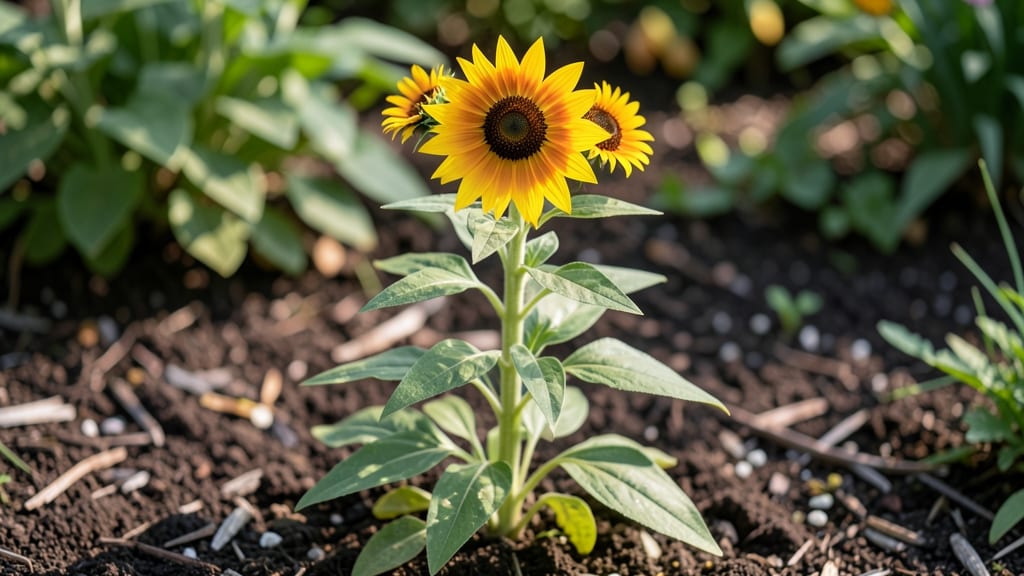
Black Eyed Susans bloom in late summer, turning gardens into golden-yellow bursts that last until frost 🌼 — but the timing varies wildly by variety and care.
If you love vibrant summer blooms that thrive in heat and keep reblooming until frost, Black Eyed Susans are your perfect perennial. But here’s the catch: some varieties start as early as June, while others wait until August, and late-season care can push blooms into October.
The key is choosing the right types and giving them what they need.
In USDA Zone 6a, most Black Eyed Susans kick off their show in July, but heat-tolerant varieties like 'Indian Summer' or 'Goldsturm' can extend their display well into September. That’s three extra weeks of color if you play your cards right.
Below, I’ll break down the exact bloom windows for popular varieties, plus the simple tricks to coax reblooming—so your 🌼 patch stays lively long after neighbors’ gardens fade.
When do Black Eyed Susans bloom? Seasonal timeline by variety
Black Eyed Susans (Rudbeckia) are summer's golden superstars, but their bloom times vary dramatically by variety and climate zone. Most classic types like 'Goldsturm' burst into color in mid-to-late summer, while heat-tolerant varieties stretch their show until first frost.
Understanding these timelines helps you choose the perfect mix for a continuous bloom display.
Your USDA zone plays a huge role—plants in Zones 3-5 may bloom 2-3 weeks earlier than those in Zones 6-9. Southern gardeners often enjoy reblooming through October, while northern growers might see a shorter summer-to-fall window. Let's break down the key varieties and their bloom windows.
For early bloomers, consider 'Little Henry'—it often starts flowering in late June, giving you a head start on summer color. This dwarf variety is perfect for containers or front-of-border plantings where space is limited.
Its 1-2 foot height makes it ideal for urban gardens or patios where taller perennials might overwhelm.
If you're in a hot, dry climate (like Zones 7-9), 'Indian Summer' and 'Cherokee Sunset' are my top picks. These varieties thrive in intense heat and often continue blooming until first frost in October or November.
Their deep mahogany centers contrast beautifully with golden petals, creating a stunning two-tone effect that attracts pollinators all season.
Soil conditions also shift bloom times—well-draining, slightly acidic soil (pH 5.5-6.5) encourages earlier and more abundant flowering. Amend heavy clay with compost or sand to improve drainage, as waterlogged roots can delay blooming.
I've found that adding a 2-inch layer of mulch in early spring helps retain moisture and keeps roots cool, which is especially helpful in southern climates.
Light exposure is non-negotiable for Black Eyed Susans. They demand full sun (6+ hours daily), but in hotter zones, afternoon shade can prevent heat stress and extend bloom duration.
I've seen 'Goldsturm' plants in Zone 8 bloom 3 weeks longer when given morning sun and afternoon shade compared to those baked all day.
Deadheading spent blooms is the #1 trick to encourage reblooming. Simply snip off faded flowers just above a set of healthy leaves to redirect the plant's energy into new buds.
I deadhead my 'Cherokee Sunset' every 10-14 days during peak bloom, and it keeps producing fresh flowers until mid-October in my Zone 7b garden.
For late-season color, pair Black Eyed Susans with autumn crocus or sedum. These companions bloom in September-October, bridging the gap when your Rudbeckias start fading. I also interplant Russian sage (Perovskia) for its purple spikes that contrast beautifully with golden Black Eyed Susans.
Remember: first frost is your deadline. Most varieties will stop blooming 4-6 weeks before frost, but with proper care, you can push that window back. In Zone 5, I've had 'Goldsturm' rebloom until mid-October by providing evening shade and consistent watering.
Start planning now! Plant spring-blooming varieties like 'Little Henry' in early spring (after last frost), while heat-tolerant types can handle late spring
How to extend Black Eyed susan bloom time with late-season care
Black Eyed Susans (Rudbeckia) are summer's workhorses, but their natural bloom cycle often fades by early fall. The secret to extended blooming lies in late-season care that tricks these perennials into reblooming. With the right techniques, you can enjoy golden-yellow flowers well into October or even November in mild climates.
Not all varieties play by the same rules. Continuous bloom types like 'Indian Summer' naturally produce multiple flushes of flowers, while classic varieties like 'Goldsturm' may need extra encouragement. Understanding these differences helps you tailor your approach for maximum impact in your garden beds.
Continuous Bloom Varieties vs. Single-Season Types
Continuous Bloom Types
- Pros: Multiple bloom cycles
- Pros: Lower maintenance
- Pros: Better reblooming
- Cons: Slightly shorter individual blooms
Single-Season Types
- Pros: Longer individual blooms
- Pros: Classic appearance
- Cons: Requires more care for reblooming
- Cons: Often stops blooming by September
Start with deadheading - the simplest way to extend blooms. Remove spent flowers by pinching or cutting back to the first set of healthy leaves. This encourages new buds to form below the cut. For maximum impact, deadhead every 3-5 days during peak bloom periods when flowers appear daily.
Adjust your fertilizing schedule to support late-season growth. Use a balanced 10-10-10 fertilizer every 4-6 weeks until mid-August. After that, switch to a low-nitrogen formula to promote flowering over leafy growth. Apply fertilizer in the early morning when plants can absorb nutrients before heat stress sets in.
Watering becomes critical as summer heat intensifies. Provide deep watering 2-3 times per week rather than frequent shallow watering. Aim for 1-1.5 inches of water per week, delivered at the base of plants to prevent fungal diseases.
In USDA zones 8-10, reduce watering slightly in September to harden off plants before winter.
Light pruning can stimulate new growth when done correctly. After the first frost, cut back stems by one-third to encourage fresh shoots in spring. For immediate reblooming, trim back faded stems to just above a leaf node.
This technique works best with continuous bloom varieties that naturally produce multiple flower cycles.
Remember that late-season care differs by climate. In cooler regions (zones 3-6), focus on protecting plants from early frosts while still encouraging blooms. In warmer zones (7-10), you may see blooms continue until December with proper care.
The key is observing your plants and adjusting your approach based on their response.