
Blooming
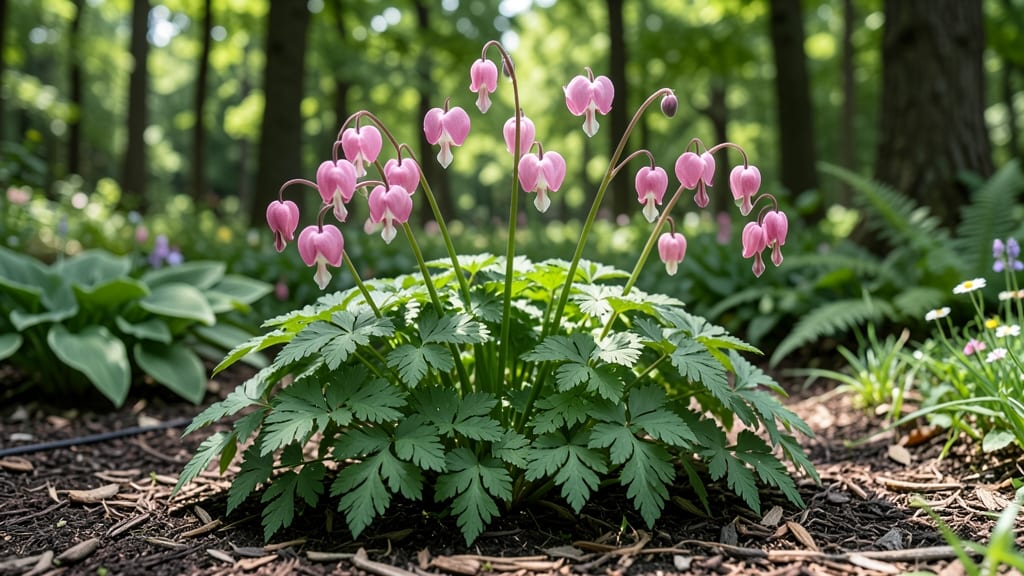
The bleeding heart flower bloom time transforms gardens into a dreamy pink-and-white wonderland with its delicate 💔 shapes in early spring.
But here’s the catch: timing isn’t one-size-fits-all. In cooler USDA Zones 3-5, those heart-shaped blooms often arrive by late April, while in warmer Zones 6-9, they might start as early as March. Miss the window, and you could end up with a summer garden that feels strangely bare.
This guide breaks down exactly when to expect blooms in your zone, how to create the perfect conditions for a longer show, and the simple tricks that keep your bleeding hearts coming back year after year.
Whether you’re a first-time gardener or a seasoned pro, knowing the right bloom time means the difference between a fleeting flash of color and a spring that lasts.
Bleeding heart flower bloom time by USDA hardiness Zones 3-9
The bleeding heart flower (Dicentra spectabilis) is a springtime showstopper, but its bloom timing varies dramatically across USDA Zones 3-9. In colder northern zones, you'll see blooms as early as late April, while southern gardeners may enjoy them until early June.
Understanding these differences helps you plan your garden layout and companion plants for maximum impact.
These frost-sensitive perennials thrive in cooler weather, often going dormant in summer heat. Their delicate heart-shaped flowers emerge on arching stems that create a cascading effect perfect for woodland gardens or shady borders.
The key to extending their bloom period lies in proper planting timing and care adjustments based on your climate zone.
| USDA Zone | Avg. Bloom Start | Peak Bloom | Bloom End | Climate Notes |
|---|---|---|---|---|
| Zones 3-4 | Late April | May | Early June | Shortest bloom window; plant in spring after last frost |
| Zones 5-6 | Early May | Mid-May to June | Late June | Moderate window; mulch heavily to retain moisture |
| Zones 7-8 | Mid-April | April-May | Early June | Longest bloom; may rebloom with fall planting |
| Zones 9 | February-March | March-April | May | Early bloomer; provide afternoon shade to prevent heat stress |
In Zones 3-4, the shortest bloom window means you'll want to pair bleeding hearts with late-spring bloomers like hostas or ferns to maintain color. These northern gardens benefit from fall planting (September) to establish roots before winter, ensuring stronger spring blooms.
Gardeners in Zones 5-6 enjoy the most balanced bloom period, typically spanning 6-8 weeks. To extend this window, I recommend deadheading spent blooms and applying a 2-inch layer of mulch in early spring. This helps retain moisture and cool roots during the transition from winter dormancy to active growth.
For Zones 7-8, the real secret to prolonged blooms lies in fall planting. Many gardeners here report second flushes of blooms in late summer if they plant tubers in September.
The milder winters also allow for earlier spring emergence, often as soon as February in southern Zone 8.
Southern gardeners in Zone 9 face unique challenges with heat stress after blooming. To combat this, I plant bleeding hearts in morning sun locations with afternoon shade from trees or shrubs. This extends the bloom season by preventing premature leaf drop and flower fade.
Regardless of your zone, frost sensitivity is the biggest threat to bleeding heart blooms. In Zones 3-5, I always cover plants with lightweight row fabric during late spring frosts.
For Zones 6-9, focus on consistent moisture—these plants wilt quickly when stressed, which can shorten the bloom period dramatically.
Pro tip: Plant multiple varieties with staggered bloom times. For example, pair 'Alba' (white blooms) with 'Valentine' (deep pink) to create a 3-4 week extension of color. This technique works beautifully in Zones 5-8 where temperatures allow for sequential blooming.
To maximize your bleeding heart's performance, time your fertilizer application carefully. In Zones 3-6, apply a balanced 10-10-10 fertilizer in early spring as new growth appears. For Zones 7-9, a light feeding in February encourages early blooms before summer heat sets in.
How to time planting for perfect bleeding heart bloom seasons
The perfect bloom season for your bleeding heart flowers starts with the right planting timing. Since these shade-loving perennials thrive in cool spring temperatures, planting too early or late can delay—or even prevent—their iconic heart-shaped blooms.
Whether you're in Zone 3 or Zone 9, understanding the ideal window ensures you'll enjoy those delicate pink or white flowers from late spring to early summer.
For optimal blooming, most gardeners plant bleeding hearts in early fall or late winter, giving roots time to establish before the spring growing season. This approach lets the plant focus energy on root development rather than above-ground growth, which directly impacts flower production.
In warmer zones (Zones 7-9), you can also plant in early spring, but be prepared to provide consistent shade and moisture to protect young plants from heat stress.
Once you've chosen your planting window, focus on sunlight placement—these flowers thrive in partial shade (4-6 hours of dappled sunlight daily). In hotter zones, full shade is ideal to prevent leaf burn.
Pair them with hostas, ferns, or heucheras for a low-maintenance shade garden that complements their delicate blooms. Avoid planting near competitive perennials like daylilies, which can steal nutrients.
After planting, water deeply to settle soil around roots, then maintain consistent moisture (about 1 inch per week). Mulch with 2-3 inches of organic mulch (like shredded bark) to retain moisture and suppress weeds.
In Zone 3-5, add a 3-inch layer of mulch in late fall to protect roots from freeze-thaw cycles. This simple step can double your bloom count the following spring!
For extended blooming, choose varieties with staggered bloom times, like 'Stuart Boothman' (early bloomer) paired with 'Alba' (late-season). Deadhead spent flowers regularly to encourage new blooms, but avoid cutting back foliage until late summer—the leaves provide photosynthesis energy for next year's flowers.
With the right planting timing and care, your bleeding hearts will reward you with months of romantic blooms every season.
🌱