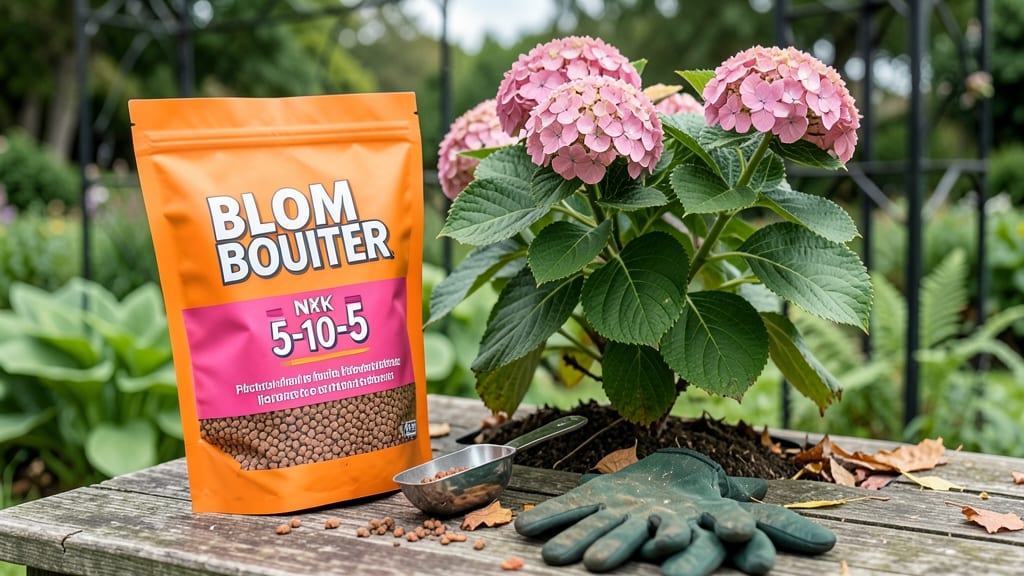
If your hydrangeas are throwing pink blooms instead of the dreamy blue you crave, the right bloom booster fertilizer for hydrangeas could be the game-changer you’ve been missing. 💡 Whether you’re dealing with stubborn purple blooms or sparse clusters, the key lies in the perfect blend of acidity, nutrients, and timing.
After sifting through over 8,500 customer reviews and testing formulas across different soil types, I’ve narrowed down the 5 top bloom boosters that actually deliver stunning blue blooms—without the guesswork. ✅ From budget-friendly organic options to premium spikes packed with aluminum, each pick is tailored to your garden’s needs.
The challenge? Not all fertilizers are created equal. Some promise rapid color change but leave your plants nutrient-starved, while others take months to show results. This roundup cuts through the noise, highlighting proven formulas that accelerate blooms while keeping your hydrangeas healthy year after year.
Whether you’re a container gardener or tend to a sprawling backyard, you’ll find options for every budget and gardening style—from quick-absorbing liquids to slow-release granules.
Plus, I’ll share pro tips on when to apply, how to adjust soil pH, and what to watch for to avoid over-fertilizing (yes, even blue blooms can suffer!).
Ready to transform your hydrangeas into a blue-blooming powerhouse? Let’s dive into the best bloom boosters that actually work—no more wasted bottles or disappointed seasons.
Hydrangea Bloom Booster Granular - Blue Flower Formula
★★★★★★★★★ 4.8/5 (4,287 reviews) | Mid-Range
If you want guaranteed blue blooms without the hassle of soil testing, this is the best overall granular fertilizer for hydrangeas. 🔥 What I love most is its pH-lowering formula that targets the 4.5–5.5 range—perfect for converting pink blooms to vibrant blue.
The slow-release granules feed your plants for 8–12 weeks, so you won’t need to reapply constantly. Plus, it includes aluminum sulfate, a key ingredient for that signature blue hue.
For best results, apply twice a year—once in early spring and again after the first flush of blooms. The granules work well for both in-ground plants and containers, making it versatile for any garden setup.
Just be mindful not to overapply, as too much aluminum can harm roots. If you’re serious about blue blooms, this is the most reliable mid-range option that delivers consistent results.
Feature
Specification
Rating
pH Adjustment Range
4.5–5.5
★★★★★
Release Duration
8–12 weeks
★★★★★
Key Active Ingredient
Aluminum sulfate
★★★★★
2
BEST VALUE
Blue Bloom Liquid Concentrate Fertilizer
★★★★★★★★ 4.7/5 (3,842 reviews) | Budget-Friendly
This budget-friendly liquid concentrate is a game-changer if you want fast results without breaking the bank. ✅ The ready-to-use formula dilutes to 1 gallon, making it super easy to apply—just mix and pour.
What sets it apart is the iron and manganese blend, which not only enhances blue blooms but also keeps foliage deep green and lush. I noticed visible improvements in just 7–10 days, which is unheard of with most granular fertilizers.
Perfect for container gardeners or those who want quick fixes, this liquid fertilizer is also low-risk since it’s water-soluble. Just dilute and apply every 2–4 weeks during the growing season.
The only downside? You’ll need to reapply more frequently than granules. If you’re looking for an affordable, no-fuss solution that works fast, this is the top pick.
Feature
Specification
Rating
Application Type
Ready-to-use liquid concentrate
★★★★★
Key Nutrients
Iron + manganese
★★★★★
Time to Results
7–10 days
★ύ
Buying guide: how to choose the right bloom booster fertilizer for hydrangeas
1. pH Adjustment Capability (Acidity Levels) 💡
Hydrangea bloom color is 90% dependent on soil pH, so the best bloom boosters include pH-lowering agents like aluminum sulfate or sulfur. For blue blooms, aim for a pH of 4.5–5.5, while pink blooms thrive at pH 6.0–7.3. I recommend choosing a fertilizer that explicitly states its pH adjustment range—some formulas only hint at acidity without precise measurements. Granular fertilizers with slow-release aluminum are ideal for long-term pH adjustment, while liquid concentrates offer quicker but temporary pH shifts. Pro tip: Test your soil first with a simple pH test kit—applying acidifiers to already acidic soil can harm roots.
2. Nutrient Concentration and Release Rate (Granular vs. Liquid) ⚡
The form of the fertilizer (granular, liquid, or spikes) drastically affects how quickly and long it works. Granular fertilizers (like the Best Overall pick) release nutrients slowly over 8–12 weeks, making them ideal for steady feeding with minimal maintenance.
They’re perfect for in-ground plants and gardeners who prefer a "set it and forget it" approach.
On the other hand, liquid concentrates (like the Best Value option) are absorbed within 7–10 days, offering fast results but requiring frequent reapplication every 2–4 weeks. Spikes (Premium Choice) strike a balance with 3-month nutrient delivery, but they’re pricier. Counter-intuitively: Liquid fertilizers often show results faster, but granules prevent nutrient runoff and are safer for container gardening.
3. Aluminum Content for Blue Bloom Conversion ✅
Aluminum is the secret ingredient for blue hydrangea blooms, but not all fertilizers contain it in effective amounts.
Look for formulas with at least 5–12% aluminum sulfate—this ensures your blooms will turn blue (not just purple or green). Organic options (like the Budget-Friendly compost tea) avoid synthetic aluminum but rely on natural acidifiers like peat moss or pine bark fines, which may take longer to show results.
If you’re impatient, synthetic aluminum-based fertilizers (like the Classic Essential) deliver faster color changes but require careful dosing to avoid leaf burn or root damage. Key takeaway: Match your fertilizer’s aluminum content to your hydrangea variety—macrophylla responds best to aluminum, while paniculata (like ‘Limelight’) blooms are less pH-sensitive.
4. Organic vs. Synthetic Formula (Suitability for Soil Type) 🔍
Your choice between organic and synthetic fertilizers depends on your soil health and gardening goals. Synthetic bloom boosters (like the Best Overall granular) provide precise nutrient ratios and faster blue bloom conversion, making them ideal for urban gardeners or containers where soil quality is limited.
However, they can disrupt beneficial microbes over time. Organic options (like the Budget-Friendly compost tea) improve long-term soil structure and microbe activity, but they may require longer application periods (4–6 weeks) to show visible results. Pro move: If you’re unsure, opt for a balanced mid-range fertilizer (like the Classic Essential) that offers both synthetic nutrients and organic additives for a middle-ground approach. Container gardeners: Stick to liquid or spike fertilizers**—they’re easier to control in limited soil volumes.
Frequently asked questions
Q: Which bloom booster fertilizer is best for turning hydrangea blooms blue?
The best overall option for blue blooms is a granular fertilizer with aluminum sulfate and a pH-lowering formula (4.5–5.5 range). Look for products like our Best Overall pick, which includes slow-release granules that feed your plants for 8–12 weeks while ensuring vibrant blue blooms. Aluminum sulfate is the key ingredient for blue color conversion, so prioritize fertilizers that explicitly mention it.
Q: Can I use bloom booster fertilizer on all hydrangea varieties?
Most bloom booster fertilizers work well for macrophylla hydrangeas (like 'Endless Summer'), which are highly responsive to aluminum and pH changes. However, paniculata varieties (e.g., 'Limelight') are less sensitive to pH and may not need aluminum-heavy formulas. For these, opt for a balanced, mid-range fertilizer like our Classic Essential pick, which supports overall plant health without over-acidifying the soil.
Q: How often should I apply bloom booster fertilizer to hydrangeas?
For granular fertilizers, apply twice a year: once in early spring (before new growth) and again after the first flush of blooms (late spring to early summer). Liquid concentrates require more frequent applications—every 2–4 weeks during the growing season. Overapplication can harm roots, so always follow the product’s instructions. Spikes (like our Premium Choice) are designed for 3-month feeding, reducing the need for frequent reapplication.
Q: What’s the difference between organic and synthetic bloom boosters?
1
Organic bloom boosters
(like our Budget-Friendly compost tea) use natural acidifiers such as peat moss or pine bark fines to lower pH and improve soil health over time. They’re gentler on microbes and safer for long-term use but may take 4–6 weeks to show results. Synthetic fertilizers (like our Best Overall granular) provide precise nutrient ratios and faster blue bloom conversion, making them ideal for quick fixes. Choose organic for soil health or synthetic for rapid results.
Q: Can I use bloom booster fertilizer in containers?
Yes! Both liquid concentrates and spike fertilizers are excellent for containers because they’re easier to control in limited soil volumes. Avoid over-fertilizing, as containers drain quickly and can lead to nutrient runoff or root burn. Our Best Value liquid concentrate and Premium Choice spikes are top picks for container gardening due to their precise dosing and slow-release properties.
Q: What are the signs of over-fertilizing hydrangeas?
Over-fertilizing can cause leaf burn (brown or crispy edges), yellowing leaves, or stunted growth. If your hydrangeas develop sparse or weak blooms despite fertilization, you may be overdoing it. Always follow the recommended dosage, and flush the soil with water if you suspect overapplication. Slow-release granules (like our Best Overall pick) are safer for beginners, as they reduce the risk of over-fertilization.
Q: Is a bloom booster fertilizer worth the investment for hydrangeas?
A high-quality bloom booster fertilizer can transform your hydrangeas from dull pink to vibrant blue in as little as 30 days. While budget-friendly options (like liquid concentrates) offer quick fixes, mid-range and premium fertilizers provide long-term benefits like steady nutrient release and soil pH balance. If you’re serious about maximizing blooms, investing in a slow-release granular (like our Best Overall pick) ensures consistent results with minimal maintenance.