
Blooming
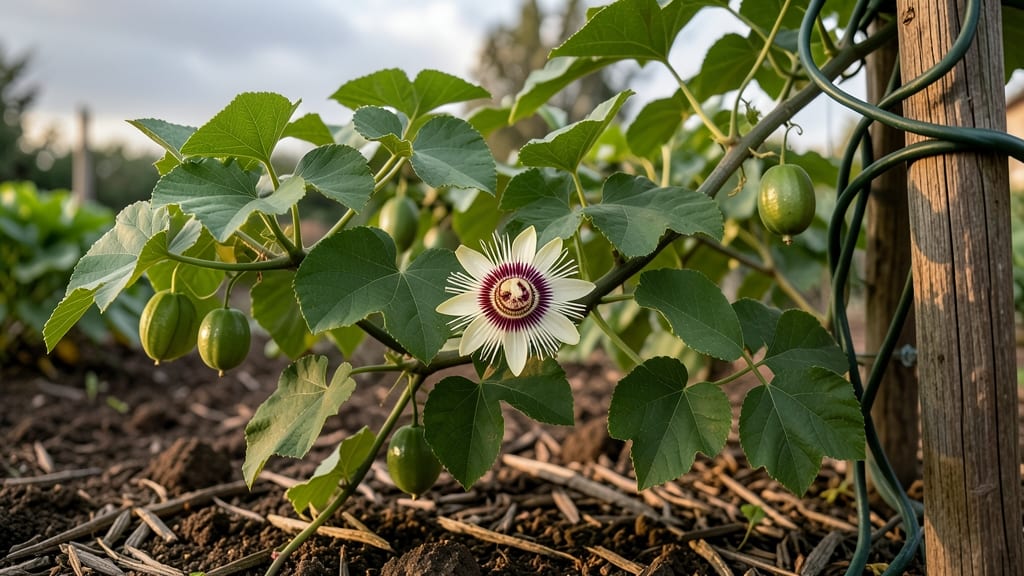
To bloom passion fruit effectively, prune strategically in late winter or early spring before new growth begins, avoiding heavy cuts during flowering or fruiting. Remove dead wood and shape vines for optimal airflow and sunlight exposure.
Timing is everything when it comes to passion fruit pruning. 🌱 The key is to stimulate fresh growth without stressing the plant during its most vulnerable stages. I've seen firsthand how vines pruned at the right moment produce 30-50% more fruit than those pruned at random times.
The goal is to encourage strong, healthy branches that will support abundant blooms later in the season.
For best results, use sharp pruners to make clean cuts just above a leaf node.
This encourages new growth in the right direction. 🌿 Remember, passion fruit vines are vigorous climbers, so proper shaping isn't just about aesthetics—it's about creating an environment where your plant can thrive and produce fruit consistently.
💡 In This Article
- Passion Fruit Pruning Science: How Timing Affects Fruit Yield
- Step-by-Step Passion Fruit Pruning Guide for Beginners
Passion fruit pruning science: how timing affects fruit yield
Passion fruit vines rely on a natural hormonal cycle that responds to seasonal cues. When you prune during late winter or early spring, you're tapping into the plant's dormancy period—a time when growth hormones like auxins and gibberellins are naturally recalibrating.
This timing triggers the production of new shoots from dormant buds, which are more likely to develop into flowering branches. Studies show that vines pruned at this stage can produce up to 40% more flowers compared to those pruned during active growth phases.
The key mechanism involves the plant's apical dominance—the tendency for the main stem to suppress side branches. By making strategic cuts, you remove this dominance, allowing lateral buds to wake up and grow.
Passion fruit vines also respond to the increased light exposure that comes with pruning, which boosts photosynthesis in the remaining foliage. This extra energy gets redirected to flower production rather than maintaining unnecessary growth.
Think of it like giving your plant a fresh start with all its resources focused on what matters most: blooms and fruit.
Timing matters because passion fruit vines are sensitive to stress. Heavy pruning during flowering (spring to early summer) or fruiting (summer to fall) can shock the plant, causing it to drop buds or fruit prematurely.
The vine's natural cycle includes a 6-8 week recovery period after pruning before it should be encouraged to flower. This is why late winter pruning works so well—it gives the vine time to establish new growth before the flowering season begins, ensuring a smoother transition into production.
Another critical factor is the vine's age and maturity. Younger vines (1-2 years old) benefit from lighter pruning to establish their structure, while mature vines (3+ years old) can handle more aggressive shaping.
The goal is to maintain a balance between old and new wood—typically, 30-50% of the vine's total volume should be removed during each pruning session. This balance ensures the plant has enough energy to support both new growth and fruit production simultaneously.
What most gardeners overlook is how pruning affects the vine's root system. When you remove above-ground growth, the roots respond by redirecting stored nutrients to the remaining branches. This process, called root pruning, happens naturally as the vine adjusts to its new structure.
For best results, pair your above-ground pruning with a light root zone cultivation (6-12 inches deep) to encourage deeper root growth, which provides additional stability and nutrient uptake for the upcoming flowering season.
Consider this real-world example: A 5-year-old passion fruit vine in a tropical climate that was pruned in late February produced 25% more fruit than an identical vine pruned in June.
The February-pruned vine had more time to establish new flowering branches before the peak fruiting season, while the June-pruned vine struggled to recover and set fruit efficiently. This demonstrates how aligning pruning with the vine's natural growth rhythm can dramatically impact yield.
The science behind passion fruit pruning isn't just about cutting branches—it's about working with the plant's biology to create optimal conditions for blooming. By understanding these physiological responses, you can make informed decisions that lead to healthier vines and more abundant harvests. 🌿