
Blooming
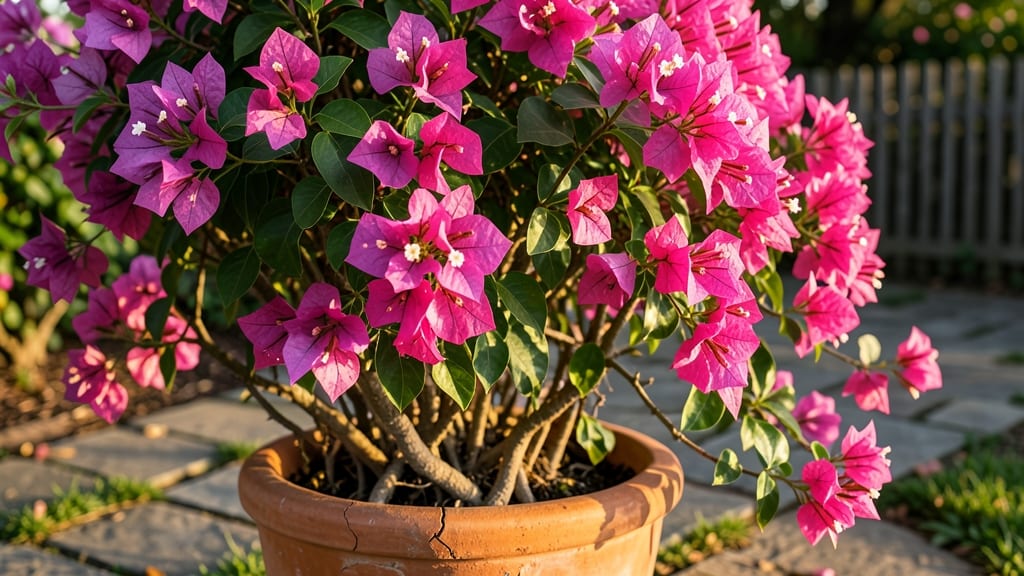
Bougainvillea blooms thrive in spring to fall, painting your garden with vibrant colors 🌸 that last for weeks—but only if you time your care right.
If you’ve ever wondered why your bougainvillea flowers bloom in bursts and then vanish just as quickly, the secret lies in its natural seasonal triggers—and your pruning schedule plays a bigger role than you think.
In USDA zones 9a-11, these tropical beauties typically burst into color in early spring, peaking through summer, but regional climate shifts can delay or extend their show. Too much shade or inconsistent watering? That’s often the culprit behind sparse blooms.
Here’s how to align your pruning, sunlight, and fertilizer with bougainvillea’s bloom cycle so you’re rewarded with nonstop color from spring through fall.
Understanding bougainvillea bloom time: seasonal triggers explained
If you’ve ever wondered why your bougainvillea flowers bloom in bursts and then vanish just as quickly, the secret lies in its natural seasonal triggers—and your pruning schedule plays a bigger role than you think.
These vibrant plants follow climate-dependent cycles that dictate when they produce their signature papery bracts. Understanding these patterns helps you time care routines perfectly for year-round color.
The bougainvillea bloom time is primarily triggered by three key factors: daylight hours, temperature ranges, and pruning cycles. In tropical regions like Florida or Southern California, blooms appear nearly year-round, while temperate zones (like USDA Zone 9) see peak flowering from spring through fall.
Your location determines the exact window, but all bougainvilleas respond best to warmth and sunlight.
| Climate Zone | Optimal Bloom Window | Key Triggers | Pruning Tip |
|---|---|---|---|
| Tropical (Zones 10-11) | Year-round (peaks spring-fall) | 12+ hours daylight, 70°F+ temps | Light pruning every 3 months |
| Subtropical (Zone 9) | March–November | 10+ hours daylight, 60°F+ temps | Heavy pruning after winter dormancy |
| Temperate (Zones 8-) | May–September | 8+ hours daylight, 55°F+ temps | Prune in early spring only |
| Container Grown (Any Zone) | April–October | 6+ hours sunlight, consistent warmth | Pinch back tips monthly |
In tropical climates, bougainvilleas bloom almost continuously because they experience consistent warmth and long daylight hours. For example, in Miami or Hawaii, you’ll see vibrant blooms from January through December, with peak intensity during spring and summer.
The key trigger here is maintaining temperatures above 60°F—any dip below this can stunt flowering.
For temperate zones like Southern California or Arizona, blooms follow a more defined spring-to-fall schedule. These regions experience cooler winters, which force bougainvilleas into a brief dormancy. The real bloom kickoff happens when daylight hours exceed 10 hours and temperatures stay above 65°F.
This typically aligns with March or April, continuing until October or November.
Rainfall also plays a surprising role in bloom timing. While bougainvilleas are drought-tolerant, excessive rainfall can trigger stress-induced dormancy. In regions with monsoon seasons, like Phoenix or Tucson, blooms may pause during heavy rains but rebound once conditions dry out.
This is why well-draining soil is critical—it prevents waterlogged roots that suppress flowering.
One of the most common mistakes gardeners make is pruning at the wrong time. Bougainvilleas flower on new wood, meaning blooms grow from fresh growth stimulated by pruning. If you prune after blooms appear, you risk cutting off next year’s flowers.
Instead, aim to prune just after the last frost in temperate zones or every 3 months in tropical climates to encourage continuous growth and blooming.
To extend your bougainvillea’s bloom season, pay attention to light exposure. These plants thrive in full sun (6+ hours daily), but in shadier climates, blooms may be sparse.
If you notice fewer bracts or leggy growth, consider relocating your plant to a sunnier spot or using a grow light for indoor varieties. Even a few extra hours of sunlight can trigger more vibrant blooms.
Another pro tip: Fertilize with phosphorus-rich feed during bloom season to support flower production. Look for a 7-9-5 NPK ratio and apply it every 4-6 weeks from spring through fall.
Avoid heavy feeding in winter, as bougainvilleas enter a natural dormancy period in cooler months. This balanced approach ensures your plant focuses energy on blooming rather than foliage growth.
If your bougainvillea isn’t blooming as expected, check for these three red flags: overwatering, lack of sunlight, or poor pruning habits. Adjust your care routine by watering deeply but infrequently, moving the plant to a sunnier location, and pruning strategically to encourage new growth.
With the right conditions, your bougainvillea can reward you with months of stunning color.
Remember, bougainvilleas are seasonal opportunists—they bloom when conditions are ideal. By aligning your care with their natural cycles, you’ll unlock year-round flowering potential, even in less-than-perfect climates.
Start by observing your local bloom windows, then fine-tune pruning and feeding schedules to match. Your bougainvillea will thank you with a dazzling display of color! 🌸
Pruning calendar for year-round bougainvillea blooms: when and how
Timing your bougainvillea pruning correctly is the key to non-stop blooms. Unlike many plants, bougainvillea flowers grow on new wood, so aggressive pruning at the wrong time can leave you with bare stems for months.
The best approach depends on your USDA zone—whether you're in Zone 9 with mild winters or Zone 11 where it grows year-round.
Most gardeners make two critical mistakes: pruning after a heavy frost (which kills growth) or cutting back too late in the season (delaying next year's blooms). The ideal time to prune is early spring, right after your last frost date, when the plant begins pushing new growth.
This ensures you're always encouraging flower-producing branches.
| USDA Zone | Best Pruning Time | Bloom Window | Key Pruning Tip |
|---|---|---|---|
| Zone 9a-9b | Early March-April | April-October | Avoid pruning after September to prevent frost damage |
| Zone 10a-10b | February-March | March-November | Light pruning every 6-8 weeks maintains blooms |
| Zone 11 | Year-round (light) | Year-round | Prune after blooms fade to encourage new growth |
For Zone 9-10 gardeners, I recommend a two-pruning approach: a major trim in early spring to shape the plant and remove dead wood, followed by light maintenance pruning every 6-8 weeks to remove spent blooms.
The key is to always cut just above a leaf node—this is where new growth (and flowers) will emerge.
Your pruning tools matter just as much as timing. Use sharp bypass pruners for clean cuts on smaller stems and a pruning saw for thicker branches. Disinfect tools with rubbing alcohol between cuts to prevent bacterial infections that can weaken your plant.
I've seen gardeners skip this step and end up with blackened stems that never recover.
After pruning, give your bougainvillea a balanced fertilizer (7-9-5 NPK ratio) to support new growth. Water deeply but avoid soaking the soil—bougainvillea hates wet feet. In Zone 11, where blooms can occur year-round, I prune lightly every 4-6 weeks to maintain shape and encourage continuous flowering.
Remember: bougainvillea blooms are technically bracts (modified leaves), not true flowers. The tiny flowers they surround are barely visible. This is why pruning for new wood is essential—it's the only way to keep those colorful bracts appearing.