
Blooming
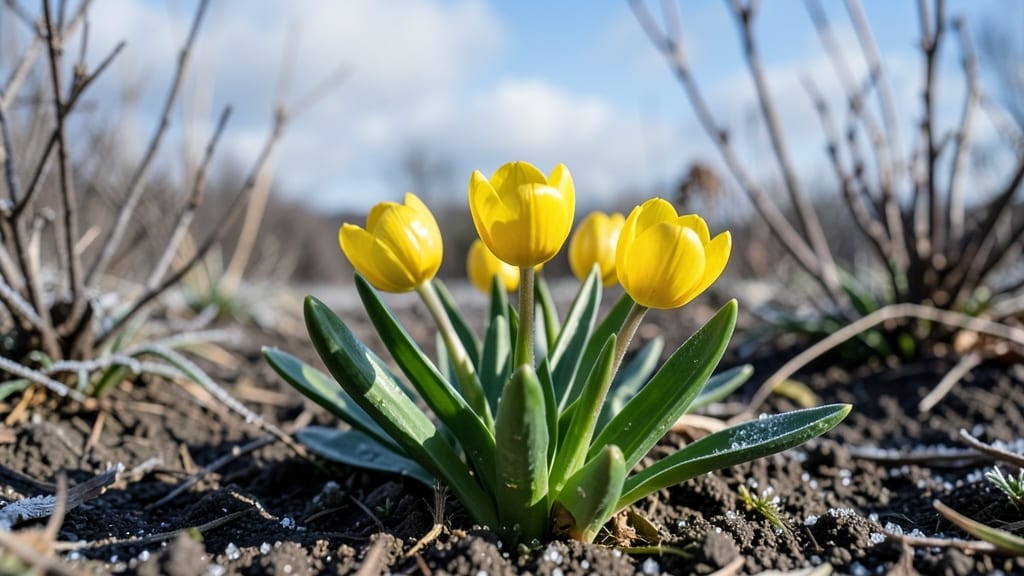
Winter gardens don’t have to be dull—these frost-resistant bulbs bring vibrant color when most plants sleep. Discover seven cold-hardy varieties that thrive in chilly months and transform bare landscapes into stunning displays.
Snowdrops: Delicate White Blooms for Early Winter
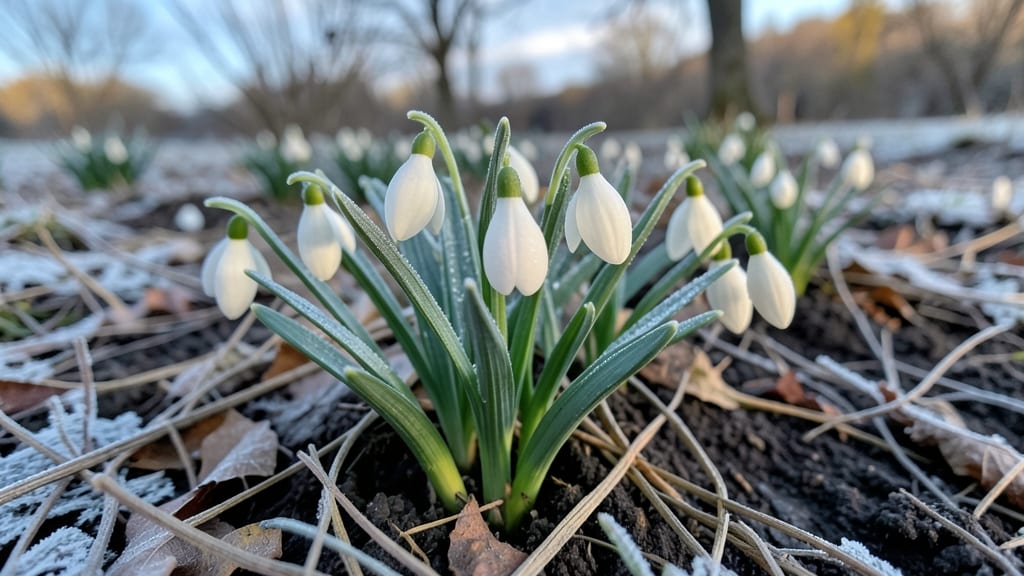
When winter's chill still lingers and most gardens lie dormant, snowdrops emerge like tiny messengers of spring. These delicate white blooms defy the cold, often appearing as early as late December in milder climates, offering a whisper of hope when the world feels gray.
Plant these drought-tolerant bulbs in partial to full shade, mimicking their natural woodland habitat. They thrive in well-draining soil and multiply effortlessly over time, creating lush colonies. The secret to their success? Minimal care—just ensure they're not crowded, as overgrown clumps produce fewer flowers. Their subtle fragrance and elegant drooping petals make them perfect for underplanting shrubs or edging paths.
Perfect for gardeners who crave winter interest without the fuss, snowdrops reward patience with years of year-round greenery and early blooms. Even urban gardeners with shady balconies can grow them in containers. 🌱
Christmas Rose: Dark Red Blooms Under Snow
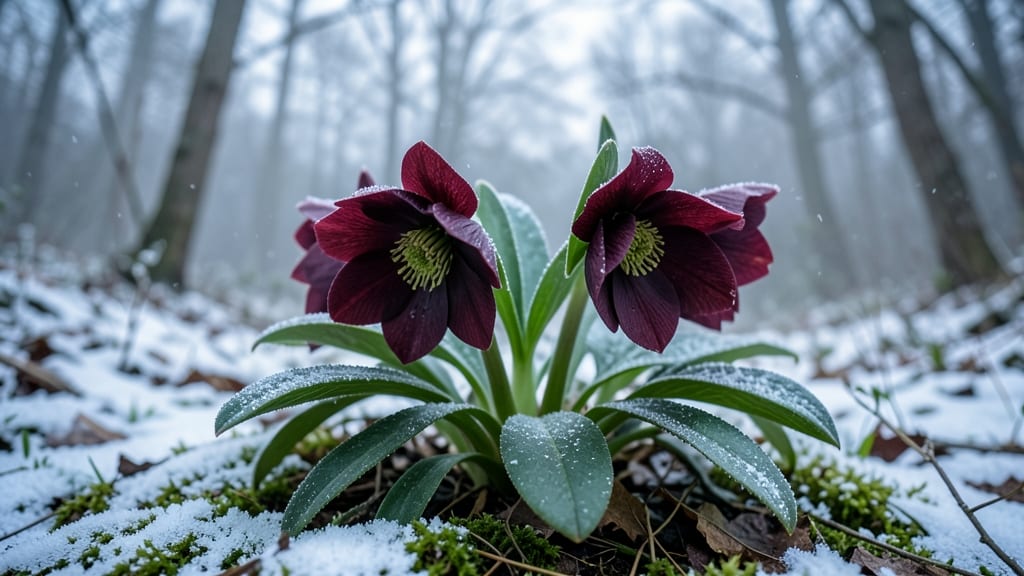
When most gardens lie dormant under snow, the Christmas rose (Helleborus niger) emerges as a bold winter hero with its deep burgundy blooms. Unlike spring ephemerals, this hellebore thrives in partial shade, making it ideal for shady spots where few plants dare to grow.
Plant bulbs in fall (September-October) in well-draining soil, 2-3 inches deep, and enjoy blooms from late November through March. Its evergreen foliage provides year-round interest, while deer and rabbits typically avoid it. Pair with evergreens like boxwood or holly for striking winter borders.
Perfect for gardeners with shady corners or those seeking low-maintenance winter color, this plant delivers drama without fuss. 💚
Winter Aconite: Golden Stars in Late Winter
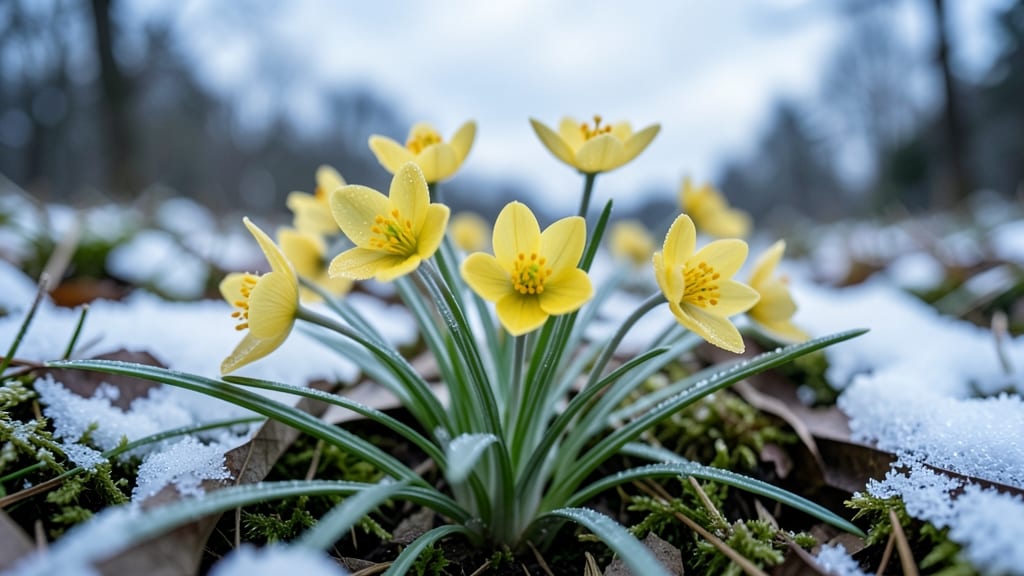
When winter feels endless, winter aconite (Eranthis hyemalis) bursts onto the scene like tiny golden stars, announcing spring’s arrival before most bulbs even think about blooming. These cheerful, cup-shaped flowers appear as early as February in many climates, often while snow still lingers—making them a standout for gardeners craving color in the coldest months.
Unlike its woodland-loving cousins, winter aconite thrives in full sun to partial shade, making it perfect for sunny garden edges, rockeries, or even containers. Its bright yellow blooms attract early pollinators like bees and hoverflies, giving your garden a head start on supporting wildlife. Plant the corms in fall, just 2 inches deep, and watch them naturalize over time for a carpet of cheerful color year after year.
This bulb is a game-changer for urban gardens or small spaces, as it stays compact (reaching just 6 inches tall) and multiplies easily. Perfect for gardeners who want low-maintenance yet high-impact winter blooms without the fuss of shade-loving varieties. 🌟
Crocus: Purple and White Clusters for Early Spring
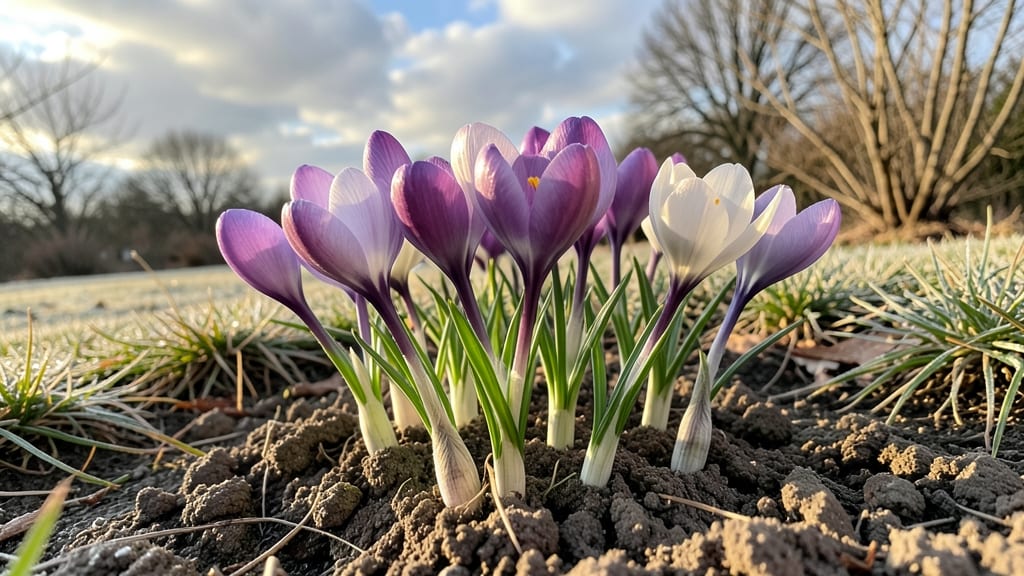
Brighten your early spring with crocus, nature’s cheerful harbingers that burst through chilly soil with purple and white clusters. Unlike their woodland-loving cousins, these bulbs thrive in full sun, making them perfect for lawns, borders, or even container gardens where you can force them indoors for a head start.
Choose from dwarf varieties (like 'Tommy' or 'Snow Bunting') for pots and window boxes, or taller types (such as 'Purple Striped' or 'Whitewell Purple') to create bold drifts in garden beds. Plant bulbs in fall, 3–4 inches deep, and watch them emerge within weeks of spring’s first thaw—no waiting for summer heat required!
Urban gardeners and small-space lovers will appreciate how crocus naturalizes effortlessly, popping up year after year with minimal care. Their early blooms also attract pollinators, giving bees a vital food source when little else is in flower. 🌷
Glory-of-the-Snow: Pink and White Winter Jewels
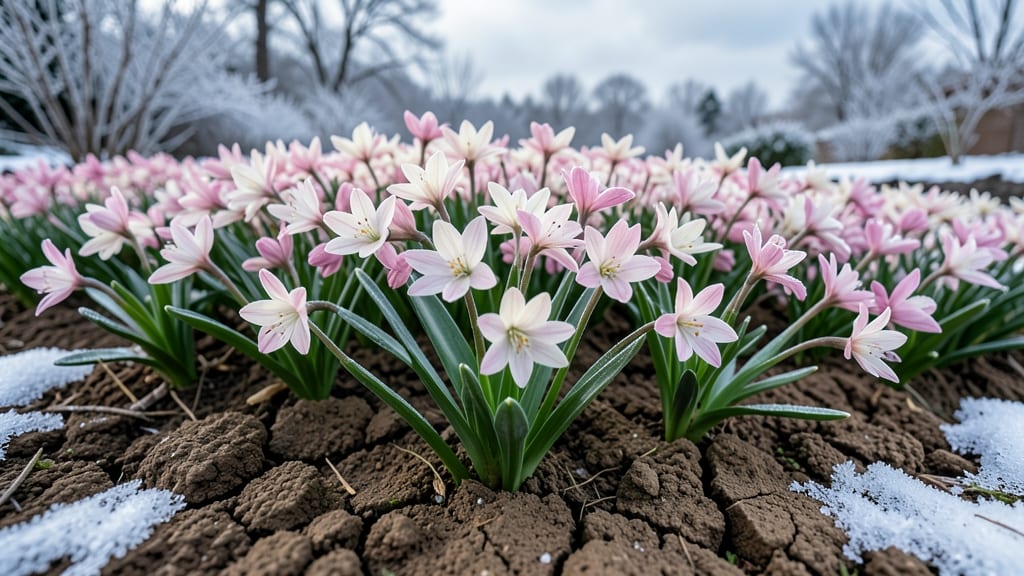
When most gardens lie dormant under snow, Glory-of-the-Snow (Chionodoxa luciliae) emerges like a magical carpet of pink and white stars. This hardy bulb thrives in full sun and even tolerates heavy clay soil, making it a resilient choice for northern climates where other plants struggle.
Its delicate, grape-hydrangea-like blooms appear in late winter or early spring, often pushing through snow for a stunning contrast. Plant bulbs in fall at a depth of 3-4 inches, spacing them 2-3 inches apart for a dense, naturalizing display. The light fragrance adds a subtle sweetness to chilly garden days.
Perfect for urban gardeners with poor soil or beginners who want a low-maintenance winter showstopper, this bulb brings joy without fuss. 🌷
Winter Jasmine: Fragrant Yellow Flowers on Woodland Shrubs
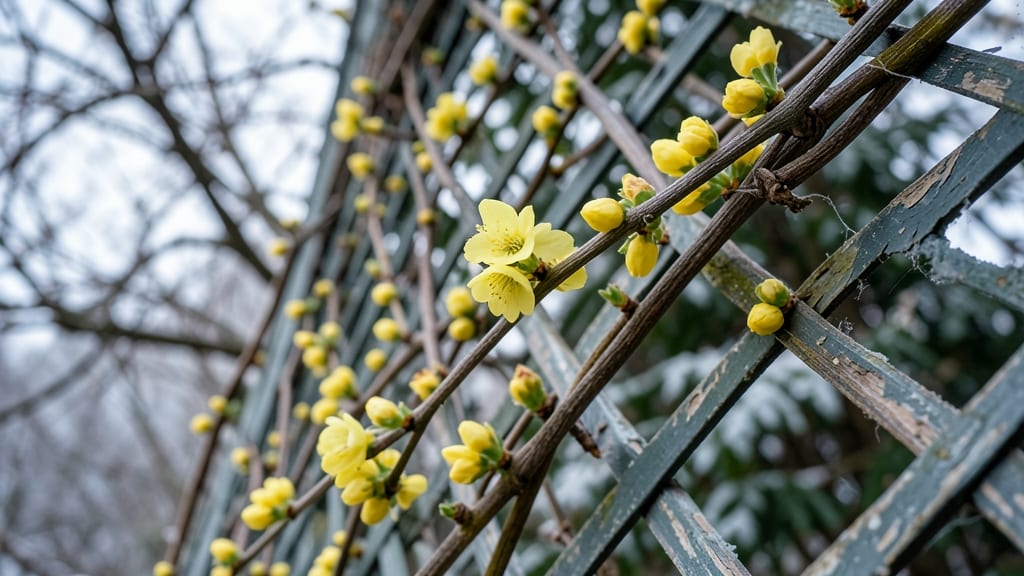
Skip the traditional bulbs—this winter jasmine (Jasminum nudiflorum) isn’t one, but it delivers bright yellow, lemon-scented blooms from late winter through early spring. Unlike delicate bulbs, its woody stems climb effortlessly, turning bare walls or trellises into fragrant focal points.
Plant it in full sun to partial shade and watch it thrive in USDA zones 6-9, even tolerating light frost. Prune back stems after flowering to encourage bushier growth next season. The minimal care makes it ideal for busy gardeners or urban balconies.
Perfect for adding height and fragrance to winter borders, this shrub brightens dull winter days without the fuss of bulbs. 🌻
Lenten Rose: Deep Purple Blooms for Late Winter
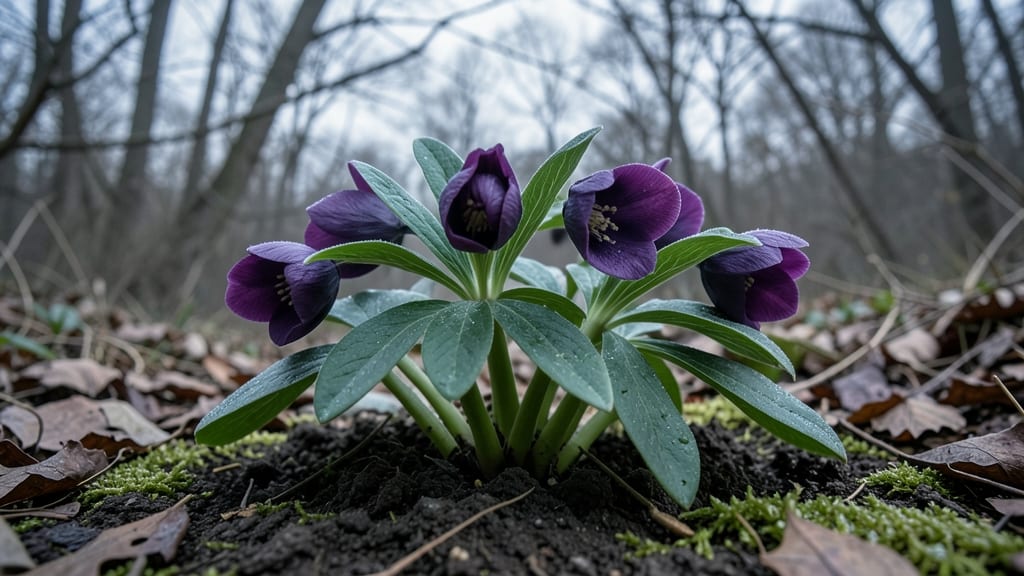
When you crave late-winter color in your shadiest spots, the Lenten Rose (Helleborus lentenus) delivers with deep purple blooms that defy winter’s chill. Unlike its cousins, this hellebore relative thrives in partial to full shade, making it perfect for understory planting where other bulbs struggle.
Its glossy, evergreen leaves provide year-round texture, while the velvety purple flowers (often with green centers) bloom from February through April. Plant bulbs in well-draining soil and water moderately—once established, they’re drought-tolerant. Pair them with ferns or hostas for a lush woodland effect.
This is the ideal choice for gardeners with shady borders or tree canopies, offering months of interest without sun requirements. 🌷