
Calibrachoa Bloom Time: Zone-Specific Months for Peak Color

Blooming

Calibrachoa Bloom Time: Zone-Specific Months for Peak Color

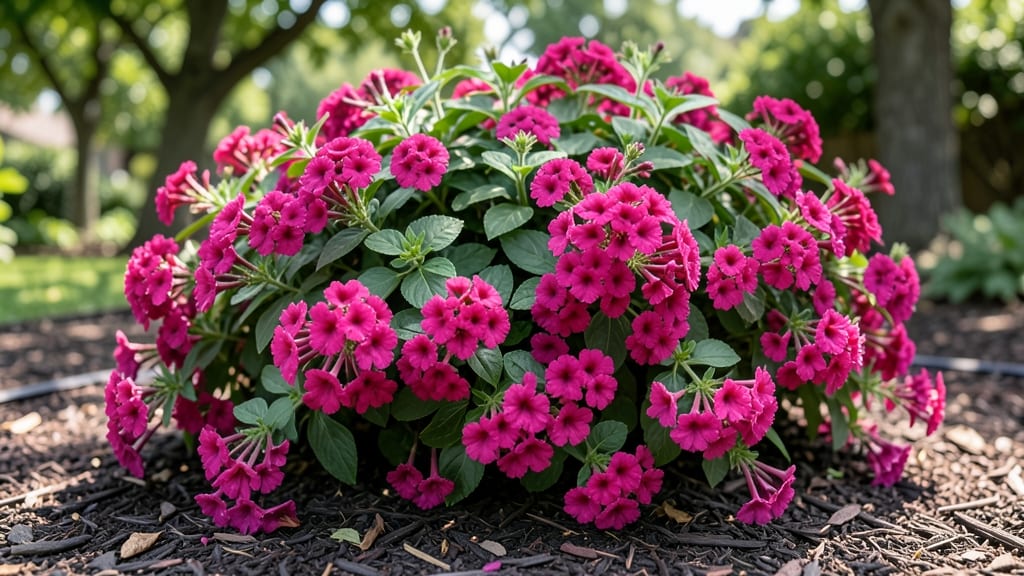
Calibrachoa blooms from early summer through fall 🌸, but the exact timing depends on where you live—get your planting window wrong, and you might miss the show entirely.

Picture this: you’ve spent weeks nurturing your calibrachoa, only to see it burst into color just as the first frost threatens. That’s why knowing your zone’s bloom schedule is the key to year-round garden vibrancy.

In USDA Zone 6a, like where I garden, calibrachoa typically kicks off in June and keeps going until September, but in warmer climates, the party starts earlier and lasts longer. The trick? Plant after your last frost and give them full sun.

Below, I’ll break down the exact months for peak blooms in your area, plus three proven tricks to stretch those flowers well into autumn—no more wasted effort, just nonstop color.

Calibrachoa bloom time by USDA planting Zone: month-by-month guide

If you're dreaming of a garden bursting with nonstop calibrachoa blooms, timing is everything! These sun-loving annuals thrive in warm weather but need precise planting to avoid late-season frost damage.

In USDA zones 5-11, bloom windows shift dramatically—from May to October in mild climates to just June-September in cooler regions. Understanding your zone’s month-by-month bloom cycle ensures you maximize those vibrant, trumpet-shaped flowers all season long.

Calibrachoa’s peak flowering period depends on heat accumulation, not just calendar months. For example, Zone 10 gardeners enjoy blooms from March through November, while Zone 6 growers get just 70-80 days of color.

The key? Planting at the right time and adjusting care as seasons change. Let’s break down exactly when to expect blooms—and how to extend the season—for each zone.

USDA Zone Early Blooms Peak Blooms Late Blooms Frost Risk Month Pro Tip
Zone 5 Late June July-August Early September October Use black containers to absorb heat
Zone 6 Early June June-July Mid-September September Start indoor seedlings in March
Zone 7 May May-August Late October November Apply shade cloth in August
Zone 8 April April-September November December Plant trailing varieties in hanging baskets
Zone 9 March March-October December January Fertilize with low-nitrogen formula in summer
Zone 10 February February-November January Rare frost Plant year-round with seasonal varieties

How to extend calibrachoa bloom time: deadheading, fertilizer, and light tricks

Want your calibrachoa to bloom all season long? The secret lies in a few simple but powerful gardening tricks. These million bells thrive when given the right care—especially when it comes to deadheading, fertilizer, and sunlight management.

With the right approach, you can turn a 6-week bloom cycle into a 4-month floral extravaganza. Let’s explore the proven techniques that’ll keep your calibrachoa in peak bloom from spring until frost.

First, understand that calibrachoa responds instantly to care. Unlike some flowers that fade after a few weeks, these plants continuously produce buds when given the right conditions. The key is consistency—whether you’re working with container plants on a patio or in-ground beds.

By focusing on these three areas, you’ll see a dramatic difference in both bloom duration and flower quantity. Let’s break it down step by step.

1
Deadhead daily after peak bloom
Remove spent flowers with clean pruning shears to redirect energy to new buds. This simple act can extend blooming by 3-4 weeks in ideal conditions.
2
Use 10-10-10 fertilizer every 3 weeks
A balanced fertilizer keeps calibrachoa thriving. Apply 1 tbsp per plant in the evening to avoid leaf burn from afternoon sun.
3
Provide 6+ hours of morning sun
Afternoon shade in hot zones (like Zone 9+) prevents wilting. Use shade cloth if temps exceed 90°F (32°C).
4
Water at soil level, not leaves
Use a drip irrigation system or water at the base to prevent fungal diseases like powdery mildew, which can halt blooming.
5
Rotate containers for even growth
If growing in pots, turn them quarter-turn weekly to ensure all sides get equal sunlight, preventing lopsided blooming.

For container calibrachoa, choose pots with drainage holes and use a lightweight potting mix to prevent root rot. Overwatering is a common mistake that can stop blooming entirely.

Instead, water deeply every 2-3 days in summer and reduce to every 4-5 days in fall. This adjustment mimics natural rainfall patterns and keeps your plants healthy.

If you’re growing calibrachoa in-ground, amend the soil with compost before planting to improve drainage. These plants hate soggy roots, so raised beds or slightly elevated areas work best in clay-heavy soils.

In Zone 5-7, mulch around the base with straw or pine needles to insulate roots during cool nights, which can trigger early dormancy.

One often-overlooked trick is pruning leggy stems. When calibrachoa grows too tall or sparse, trim back 1/3 of the plant in early summer. This encourages bushier growth and more flower clusters.

Just be sure to use sterilized shears to avoid spreading disease. With these techniques, your calibrachoa will reward you with nonstop color all season long!

★★★★★4.9(1 review)
Categories Blooming