
Blooming
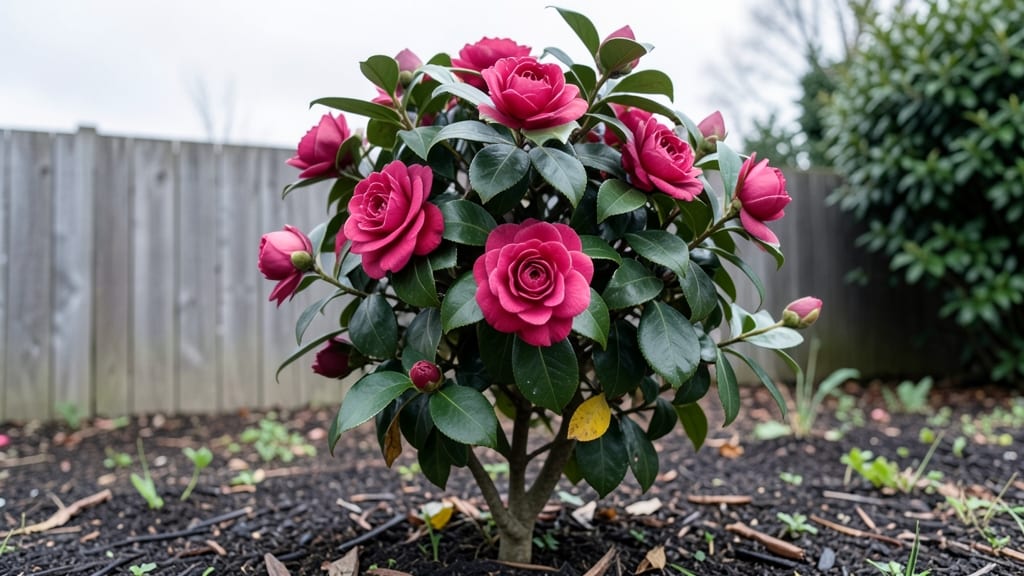
Camellia flower blooming season varies by variety but typically spans fall through early spring, with peak blooms in December to February for most cultivars. Southern U.S. regions offer ideal conditions for extended displays, while cooler climates may see shorter windows in late winter.
Camellias are fascinating because their blooming cycles are directly tied to temperature shifts—many varieties need a period of cooler weather to trigger flower production. 💫 For example, Camellia sasanqua often bursts into bloom in late fall, while Camellia japonica typically waits until late winter, rewarding patient gardeners with stunning displays.
The key is understanding your local climate zone, as even a few degrees difference can push blooms earlier or later in the season.
If you're planning a garden, consider pairing early and late bloomers to extend your seasonal color show.
Southern gardeners have the advantage of milder winters, which can stretch the blooming window from October through March, while northern growers might need to choose cold-hardy varieties or use microclimate tricks like windbreaks to protect delicate flowers. The payoff? A garden that feels like a year-round floral parade.
💡 In This Article
- Camellia Varieties and Their Unique Blooming Windows
- Best U.S. Regions for Year-Round Camellia Gardens
Camellia varieties and their unique blooming windows
The timing of camellia blooms is a fascinating dance between genetics and climate.
Here's what's actually happening: each variety has evolved to respond to specific temperature cues. Camellia sasanqua, for instance, thrives in mild winters and often blooms from October through December, triggered by 50-60°F daytime temperatures after summer heat.
This species originated in East Asia's temperate zones where early winter chills signal flower production. 🌿 Meanwhile, Camellia japonica varieties typically wait until late winter (January-February) because they require more pronounced chilling—40-50°F nighttime temperatures for 4-6 weeks to break dormancy.
The Camellia oleifera variety takes a different approach entirely. Primarily grown for its oil-rich seeds, its blooms appear in late winter to early spring (March-April) and are less sensitive to short chilling periods. This adaptability makes it more common in USDA Zones 7-9, where winters are milder.
The key difference? Camellia oleifera prioritizes seed production over ornamental blooms, so its flowering mechanism is more aligned with spring growth cycles rather than winter dormancy triggers. Light exposure also plays a role—most varieties need 6-8 hours of sunlight daily but prefer afternoon shade in hot climates.
What most people don't realize is how dramatically temperature zones shift these timelines. In Zone 7 (like Atlanta), Camellia sasanqua might bloom as early as September during warm winters, while in Zone 8 (like Charleston), the same variety could wait until November.
The science involves chilling hours—the accumulated time below 45°F that plants need to transition from vegetative growth to flowering. Some varieties require 300-500 chilling hours, while others need just 100-200.
This explains why southern gardens often see two distinct bloom waves: early fall sasanquas followed by winter japonicas.
Native climates provide crucial context for understanding these patterns. Camellia japonica originates from Japan's humid subtropical regions where winters are cool but not freezing, creating its late-winter bloom pattern. In contrast, Camellia sasanqua comes from China's warmer coastal areas, where mild winters allow earlier blooming.
Even within species, color plays a role: darker blooms often appear slightly later as they require more energy to produce pigments. For example, the deep red 'Yuletide' sasanqua typically blooms 2-3 weeks after lighter pink varieties in the same climate.
Here's how to apply this knowledge practically: if you want year-round color, plant Camellia sasanqua varieties for fall blooms and Camellia japonica for winter displays. In cooler zones (Zone 6 or below), choose cold-hardy varieties like 'Winter's Star' (japonica) that tolerate 10°F temperatures.
The tradeoff? These may bloom slightly later but offer more reliable displays in harsh winters. For southern gardens, Camellia reticulata varieties can extend blooms into early spring with their massive, fragrant flowers.
One surprising factor is how urban microclimates can shift bloom times by 1-2 weeks. Cities like Mobile, AL often see earlier blooms due to heat island effect—concrete and pavement retain warmth, creating a 5-10°F warmer environment than rural areas just 10 miles away.
This is why the famous Mobile Botanical Gardens camellia displays sometimes begin blooming in late October while nearby farms see November blooms. The lesson? Location matters as much as variety selection when planning your garden's seasonal timeline. 🌸