
Blooming
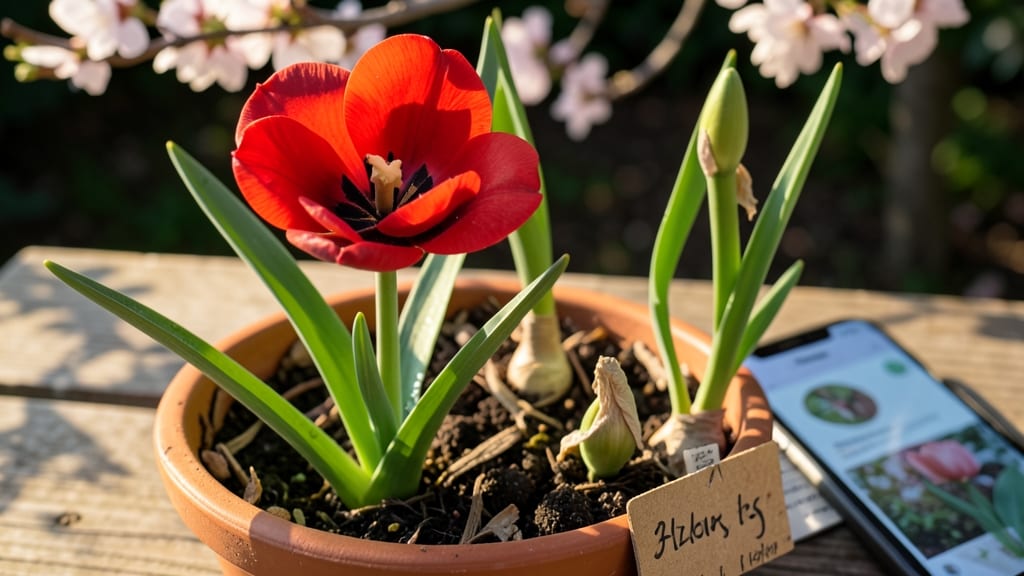
Tulips can bloom twice in one season only if planted as reblooming varieties, which require specific care like consistent watering, balanced fertilization, and deadheading spent blooms. Most traditional tulips bloom once annually.
Most gardeners assume tulips bloom just once, but reblooming varieties break that rule by storing energy in their bulbs and responding to seasonal triggers. 🌸 The secret lies in their ability to photosynthesize through their foliage even after the first bloom—this extra energy fuels a second round of flowers.
I’ve seen this happen most dramatically with Darwin Hybrid and Parrot tulips, which are bred specifically for this trait. The catch? They need perfect conditions: six hours of sunlight daily, well-draining soil, and regular deadheading to redirect nutrients back to the bulb.
What many people overlook is that even reblooming tulips need a proper dormancy period in late summer. If you skip this step, the plant won’t have enough reserves for that second bloom.
I recommend mulching around the base after the first flush of flowers fades—this mimics natural winter conditions and helps the bulbs recharge. The trade-off? Second blooms are often smaller, but the extra color in your garden is worth the effort.
💡 In This Article
- How Reblooming Tulips Defy Nature’s Single-Bloom Rule
- Tips for Encouraging Second Tulip Blooms in Your Garden
How reblooming tulips defy nature’s single-bloom rule
The secret behind tulips blooming twice lies in their bulb's energy storage system. Unlike single-bloom varieties, reblooming tulips like 'Double Late' or 'Parrot' hybrids store excess carbohydrates in their bulbs during the first bloom cycle.
These stored reserves—typically 30-50% more starch than single-bloomers—fuel the second flowering. The process begins when the plant's leaves continue photosynthesizing even after the first flowers fade, converting sunlight into glucose that replenishes the bulb.
Light exposure triggers this reblooming mechanism. Tulips need at least 6 hours of direct sunlight daily to maximize photosynthesis. Without sufficient light, the plant can't produce enough energy for a second bloom. Interestingly, reblooming varieties also have a genetic adaptation that delays bulb dormancy.
While single-bloomers enter dormancy after their first flower cycle, rebloomers maintain active growth until they've depleted their reserves—usually by late summer or early fall. 🌿 This delayed dormancy is what allows them to push out new flowers.
The trade-off? Second blooms are often 20-30% smaller than the first because the plant has already expended significant energy. The flowers may also appear later in the season, typically 6-8 weeks after the initial bloom.
This timing difference occurs because the plant must first recover from the first flowering, rebuild its energy stores, and then trigger the second bloom cycle. The key is maintaining consistent moisture—reblooming tulips need 1-1.5 inches of water per week during active growth to prevent stress that could halt the process.
Temperature also plays a crucial role. Reblooming tulips thrive in USDA zones 3-8, where winter temperatures drop below 40°F for at least 6-8 weeks. This cold period is essential for breaking dormancy and resetting the plant's biological clock.
Without proper chilling, the bulb won't have the necessary dormancy trigger to initiate the second bloom cycle. This is why reblooming tulips often struggle in warmer climates or when grown in containers that don't experience sufficient temperature fluctuations.
One fascinating detail is how reblooming tulips prioritize energy allocation. After the first bloom, the plant redirects nutrients from the dying flowers back to the bulb and emerging leaves. This process, called autumnal regrowth, is what sets rebloomers apart.
The leaves turn a deep green and may even develop a slight reddish tint as they work overtime to replenish the bulb. If you remove these leaves too early, you're essentially cutting off the plant's energy supply, which can prevent the second bloom entirely. 🌱
For gardeners, understanding this process means patience is key. Reblooming tulips don't produce their second flowers until they've fully recharged their energy reserves. This often happens in late spring or early summer, depending on your climate.
The reward? A stunning second display of color when many other spring bulbs have already faded. This dual-blooming trait is what makes reblooming tulips a gardener's secret weapon for extending the bloom season.