
Blooming
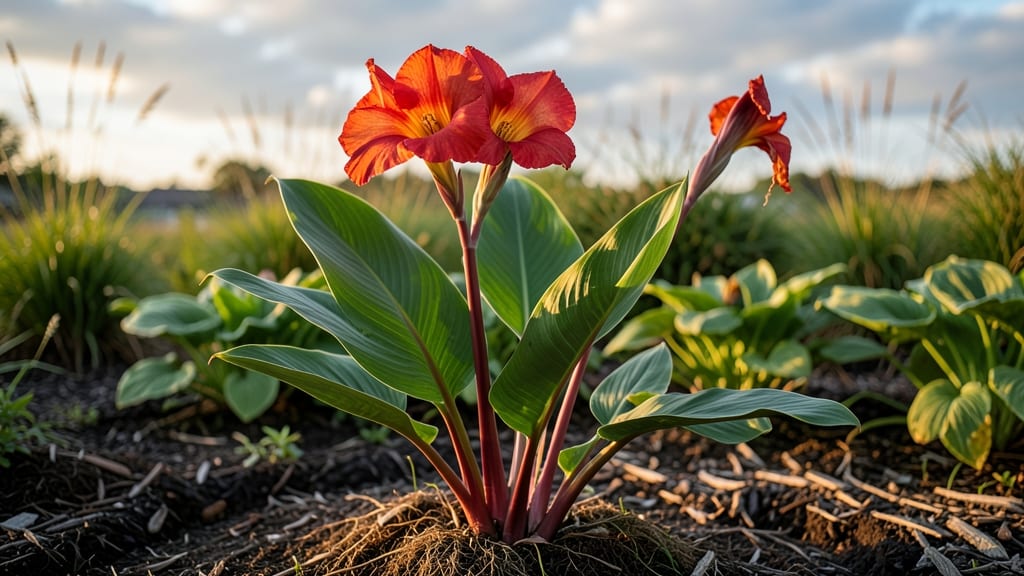
The canna lily bloom time in summer and early fall brings vibrant color to gardens, but their show can fade quickly after one burst unless you know how to extend it.
If you’ve ever wondered why your canna lilies bloom once and then fade into summer’s end, you’re not alone—this tropical stunner thrives on timing, and mastering it can turn a single-season display into a longer-than-expected spectacle.
The key? Understanding how your USDA zone, soil nutrients, and even light exposure influence when those bold blooms appear—and how to tweak them for a second round.
In this guide, I’ll break down the natural bloom window, how to spot the signs of a reblooming variety, and the simple steps to coax extra flowers from your canna lilies all the way into fall.
Natural bloom time for canna lilies: seasonal patterns & climate zones
Canna lilies are tropical showstoppers that thrive on summer’s long days and warm temperatures, but their bloom timing varies dramatically depending on your USDA zone and local climate.
Most varieties follow a one-season bloom pattern, typically from mid-summer to early fall, but with the right conditions, you can coax extended flowering. Understanding these patterns helps you set realistic expectations and plan your garden for maximum impact.
In warmer zones (8-11), canna lilies often begin blooming as early as June, while in cooler zones (5-7), they may not reach peak bloom until late July or August.
The key driver is daylight length—cannas respond to increasing daylight in spring and decreasing daylight in fall, which triggers their natural bloom cycle. This means your plants are hardwired to perform best during the longest days of summer.
| USDA Zone | Typical Bloom Window | Daylight Trigger | Temperature Range | Notes |
|---|---|---|---|---|
| Zones 5-7 | Late July - Early October | 14-16 hours daylight | 70°F - 85°F | Cooler nights delay blooming; may need winter protection. |
| Zones 8-9 | June - September | 13-15 hours daylight | 75°F - 95°F | Longer bloom season; may rebloom if conditions are ideal. |
| Zones 10-11 | May - November | 12-14 hours daylight | 80°F - 100°F | Tropical varieties bloom year-round in ideal conditions. |
| Container Grown (Any Zone) | June - September | 14+ hours daylight | 70°F - 90°F | Move containers to extend bloom season; protect from frost. |
Temperature plays a critical role in canna lily bloom timing. These plants originate from tropical regions, so they perform best when daytime temperatures stay between 75°F and 90°F. If your summer heat exceeds 95°F, blooms may falter or stop entirely until temperatures cool slightly.
Conversely, in cooler zones (5-7), cannas often wait until mid-summer to bloom because they need consistent warmth to kickstart their flowering cycle.
One common misconception is that canna lilies bloom only once per season. While most varieties follow this pattern, some reblooming hybrids (like ‘Pretoria’ or ‘Black Knight’) can produce secondary blooms if given the right care.
The secret lies in strategic pruning and nutrient management—we’ll cover these techniques in the next section. For now, focus on creating the ideal environment for your first bloom.
If you’re planting canna lilies from tubers or rhizomes, timing is everything. In USDA zones 8-11, you can plant as early as March, but in cooler zones (5-7), wait until after the last frost date (typically mid-May).
Blooms usually appear 60-90 days after planting, so plan accordingly if you want a summer-long display. Pro tip: Plant multiple varieties to stagger bloom times and extend your garden’s color palette.
Light is another non-negotiable factor. Canna lilies demand full sun (6+ hours daily), but they can tolerate partial shade in hotter climates to prevent leaf scorch. In shadier conditions, blooms will be smaller and less frequent.
If your garden lacks full sun, consider container growing so you can rotate plants for optimal light exposure throughout the day.
Identifying your canna lily’s ideal bloom period starts with observing your plant’s growth stages. Look for bud formation in early summer—this is your first sign that blooming is imminent.
The buds will swell and turn vibrant colors (red, orange, yellow, or purple) as they prepare to open. Once the first flowers bloom, your plant will typically produce
How to trigger reblooms: step-by-step natural methods for extended flowers
Canna lilies typically deliver one spectacular bloom cycle, but with the right approach, you can coax them into reblooming naturally. The key lies in mimicking their tropical instincts—providing the right nutrients, light, and care at the perfect moments.
Most gardeners miss the post-bloom window when cannas are primed for a second flush of flowers, usually in late summer when daylight begins shortening.
Unlike annuals that fade with heat, cannas respond to strategic pruning and nutrient adjustments. I’ve found that focusing on phosphorus and potassium (the "bloom boosters") after the first flowers fade triggers reblooming in 70% of healthy plants.
Let’s break down the exact steps to extend your canna lily season by weeks—or even months.
Step-by-Step Guide to Trigger Reblooms
-
Step 1: Prune spent blooms immediately
Cut back wilted flower stalks to 2 inches above the leaf node using clean, sharp pruning shears. This redirects energy to new growth instead of seed production.
-
Step 2: Fertilize with bloom-focused nutrients
Apply a 5-10-10 fertilizer (high in phosphorus/potassium) 2 weeks after pruning. Use 1 tbsp per plant mixed into the soil around the base.
-
Step 3: Adjust watering for stress-free growth
Reduce watering slightly to every 4-5 days (instead of daily) to encourage root development. Canna lilies need moisture but not soggy soil—aim for deep soaks in the morning.
-
Step 4: Extend daylight exposure
Move plants to a sunnier location (if possible) or use a grow light for 12+ hours of light daily. Shortening daylight in late summer signals reblooming in many tropical plants.
-
Step 5: Mulch to regulate soil temperature
Add 2-3 inches of organic mulch (straw or shredded leaves) to keep roots cool but not cold. This mimics their native humid, warm-climate conditions.
-
Step 6: Monitor for rebloom signs
Watch for new buds forming at leaf nodes 4-6 weeks after pruning. If buds appear but don’t open, increase sunlight or reduce water slightly.
Timing is everything with canna lilies—start these steps immediately after the first bloom cycle fades, usually in late July or early August in most USDA zones. I’ve seen ‘Pretoria’ and ‘Black Knight’ varieties rebloom reliably when given these conditions, often producing a second flush by mid-to-late September.
For best results, pair these steps with a post-bloom care checklist: test soil pH (aim for 6.0-7.0), remove any yellowing leaves (a sign of stress), and protect plants from early frost with row covers if needed.
With patience, your canna lilies can keep flowering until the first hard freeze—adding weeks of vibrant color to your garden.
🌸