
Blooming
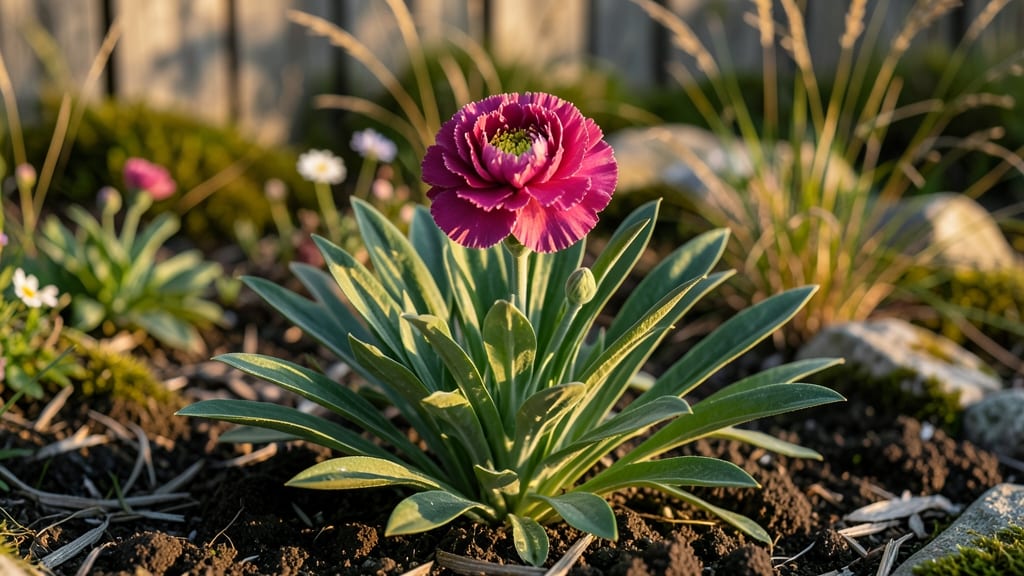
Carnations bloom in 60 to 120 days after planting, turning your garden into a sea of color from spring through summer—but timing depends on your variety and climate.
Picture this: you’ve just tucked those delicate 🌸 seedlings into the soil in March, dreaming of vibrant blooms by summer. But what if your carnations take longer—or worse, never open?
The secret lies in knowing when to plant, which varieties are fastest, and how your local frost dates play a role.
In USDA Zone 6a, where many gardeners grow carnations, annual varieties like spray types can burst into flower in as little as 60 days, while perennials may take closer to 120 days.
The difference? Sunlight, soil prep, and even a little pruning can shave weeks off that timeline—or stretch it if you’re not careful.
Below, I’ll break down exactly when to expect those first blooms, how to speed them up, and the seasonal care tricks that keep your carnations flowering all summer long—no guesswork required.
How long until carnations bloom: exact flowering timeline by variety
If you're eager to see your garden transform with vibrant carnation blooms, timing is everything. The days to flower vary dramatically between annual and perennial varieties, with some bursting into color in as little as 30 days while others take nearly 120 days to reach their peak.
Understanding these differences helps you plan your garden layout and enjoy continuous blooms from spring through fall.
Annual carnations typically deliver the fastest results, making them ideal for seasonal color bursts. Perennial varieties, while slower to establish, reward you with year-after-year blooms if given proper care.
Popular types like spray carnations and standard carnations each have distinct timelines that align with their growth habits and intended use in gardens or floral arrangements.
🌸
For spray carnations, the fastest bloomers on this list, you can expect colorful clusters to appear within 30-50 days of planting, making them perfect for quick garden transformations. These varieties thrive when planted in full sun and well-draining soil, which accelerates their growth.
If you're aiming for a summer-long display, start seeds indoors 6-8 weeks before your last frost date.
My personal experience with standard carnations shows they strike a balance between speed and longevity. With 60-90 days to their first bloom, they reward patience with longer-lasting flowers that hold up well in arrangements.
These are my go-to for cut flower gardens because their sturdy stems make them ideal for bouquets that last for days.
If you're planning a perennial garden, border carnations are a fantastic choice despite their 90-120 day wait time. Their year-round hardiness in zones 7-10 means you'll enjoy blooms for multiple seasons with minimal effort.
I've seen them thrive in partial shade, which is a bonus for gardeners with less-than-sunny spots.
For container gardening, dwarf carnations are a game-changer. Their 45-60 day bloom time makes them perfect for balcony gardens or patio pots. I've used them to add instant color to small spaces, and their compact size means they don't outgrow their containers quickly.
Just ensure your pots have drainage holes to prevent root rot.
One key factor that affects bloom time is whether you're growing from seeds or transplants. Starting with young plants can shave off 2
Climate zones & seasonal factors that speed up or delay carnation blooms
Your carnation bloom time isn't set in stone—it's heavily influenced by your USDA climate zone and seasonal conditions. In cooler zones (3-5), blooms typically arrive 4-6 weeks later than in warmer zones (8-10), while tropical climates can trigger year-round flowering with proper care.
Understanding these factors lets you adjust planting schedules for vibrant blooms exactly when you want them.
Temperature plays the biggest role in bloom acceleration. Carnations thrive in 60-75°F daytime temps, but they'll bolt (flower prematurely) in heatwaves above 85°F or struggle to bloom in consistent cold below 50°F.
Sunlight exposure also matters—6+ hours of direct sun speeds up flowering by 20-30 days compared to partial shade conditions.
For USDA zones 3-5, plant carnations in late spring (May-June) after the last frost date—this gives them 8-10 weeks to establish roots before summer heat. In zones 6-7, aim for early spring (March-April) planting to avoid summer bolting.
Meanwhile, gardeners in zones 8-10 can plant year-round, with fall planting (September-October) often yielding earlier spring blooms.
Tropical climates offer unique opportunities: carnations can flower continuously if given consistent moisture and partial afternoon shade during peak heat. In these areas, I recommend monthly deadheading to encourage non-stop blooms—just be prepared for shorter individual bloom cycles (about 2 weeks per flower) compared to temperate climates.
One often-overlooked factor is nighttime temperatures. Carnations need cool nights (55-65°F) to set buds properly—if nights stay above 70°F for more than 3 weeks, blooms will fail to form. This is why high-desert zones (like parts of zone 7) often produce larger, longer-lasting blooms than humid coastal areas.
To maximize your carnation bloom time, check your local last frost date and plant 4-6 weeks before—this timing ensures roots establish before active growth begins.
For cut flower production, I've found that late winter sowing (February) in zones 5-7 gives the most extended harvest windows from June through September. 🌸