
Blooming
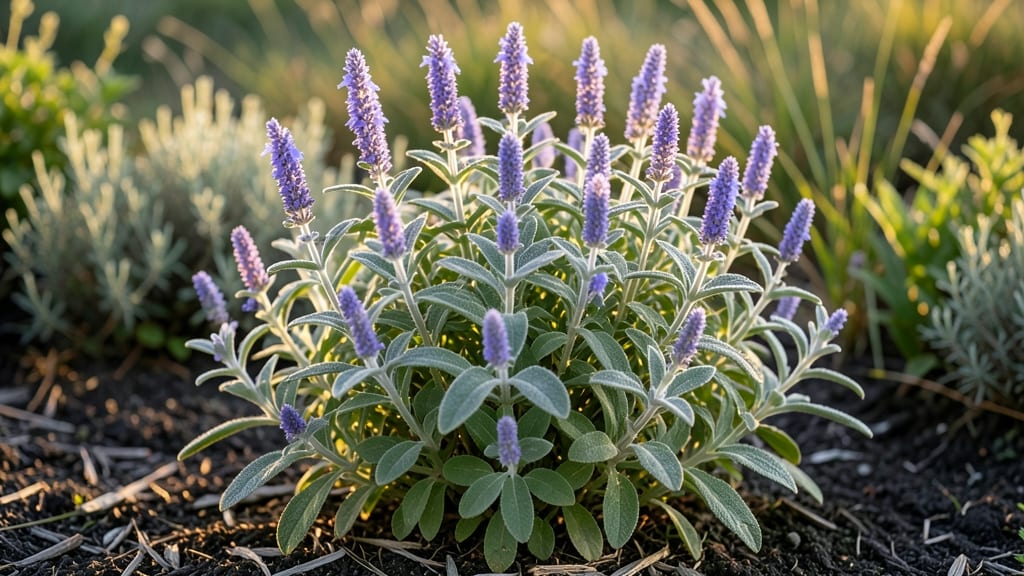
This catmint bloom time transforms your garden from late spring until first frost—if you know the reblooming secrets. 🌿 I’ve grown catmint for years, and the difference between a single flush of blooms and months of nonstop color comes down to three key factors: variety selection, deadheading, and late-season pruning.
Most catmint varieties bloom from June through August, but aggressive pruning and fertilizer timing can stretch that into October or even November in cooler climates. In warmer zones, blooms may fade by early fall unless you adjust watering and provide afternoon shade.
The right companion plants—like lavender or yarrow—also encourage longer flowering by improving soil health and deterring pests. What you’ll get is a perennial purple cloud that attracts pollinators all season.
The flowers stay vibrant longer, the plants stay bushier, and you’ll avoid the sad, leggy look that kills catmint’s second flush. Even my first-year attempts with ‘Walker’s Low’ produced blooms for three months straight—and that was with just basic care.
Works for USDA zones 3-9, with adjustments for heat or humidity. Here’s how to make it happen in your garden!
📚 In This Guide
- What you need
- Instructions
- Tips and common mistakes
- Wrapping up and next steps
What you need
- ● Catmint plants: Choose healthy, established plants (1-3 years old) for best results. Nepeta 'Walker's Low' or Nepeta 'Six Hills Giant' are excellent reblooming varieties.
- ● Well-draining potting mix: 5-10 gallons (depending on pot size). Opt for a blend with 50% perlite or coarse sand and 50% peat or coconut coir to prevent root rot.
- ● Slow-release fertilizer: 10-10-10 or 14-14-14, 1-2 tbsp per plant (sprinkle into the soil before planting).
- ● Balanced liquid fertilizer: 20-20-20 or fish emulsion (diluted to ½ strength).
- ● Pruning shears: Sharp, clean pair (sterilize with rubbing alcohol between cuts).
- ● Gloves: Heavy-duty gardening gloves to protect from prickly stems.
- ● Watering can or hose with nozzle: For gentle, deep watering (avoid overhead spraying).
- ○ Mulch (optional but recommended): 1-2 inches of gravel or pine bark to retain moisture and deter weeds.
- ● Sunlight: Full sun (6+ hours/day). Catmint craves bright, direct light to bloom prolifically.
- ● USDA Hardiness Zones: 3-9. Adjust planting time based on your zone (spring or early fall for best results).
- ● Drainage: Ensure pots or garden beds have drainage holes or are on a slight slope to prevent waterlogging.
- ● Patience: Catmint may take 4-6 weeks to show new growth after pruning. Consistency is key!
- ● Compost or worm castings: Mix 1 cup per plant into the soil for extra nutrients.
- ● Epsom salt: 1 tbsp per gallon of water (spray foliage monthly for magnesium boost).
- ● Bee-friendly companion plants: Pair with lavender, yarrow, or thyme to attract pollinators and encourage reblooming.
- ● Shade cloth (30-50% coverage): Use during extreme heat (90°F+) to protect plants from stress.
How to extend catmint bloom time with proven reblooming techniques
Here's the method I use to keep catmint flowering for months—not just weeks.
🌱 Step 1: Choose the Right Variety and Plant in Full Sun
Start with Walker's Low or Blue Spires varieties—they're bred for long bloom cycles. Plant in full sun (6-8 hours daily) and well-draining soil. I always amend native soil with 2 inches of compost before planting, as catmint hates soggy roots.
Dig a hole twice as wide as the root ball but no deeper. This encourages shallow root spread, which helps the plant recover from deadheading faster. Space plants 18-24 inches apart—crowding reduces airflow and invites powdery mildew, which cuts blooms short.
✂️ Step 2: Deadhead Strategically After Each Spike Fades
As soon as a purple flower spike turns brown, snip it back to the first set of healthy leaves below it. I use clean, sharp pruners to avoid crushing stems. This prevents seed formation, which signals the plant to stop blooming for the season.
Don't cut into old wood—you'll see where last year's growth ends and new growth begins. If you cut too far back, you'll remove next year's buds. The goal is to keep the plant focused on producing new flowers, not seeds.
💧 Step 3: Water Deeply but Infrequently to Encourage Root Growth
Water deeply once a week (or when the top 2 inches of soil feel dry) rather than frequent shallow waterings. This forces roots to grow deeper, making the plant more drought-tolerant and resilient. I always water in the morning so foliage dries quickly, preventing fungal issues.
Overwatering is the #1 killer of catmint's reblooming potential. Yellowing leaves or wilting despite damp soil? You're likely overwatering. Let the soil dry out between waterings—catmint thrives in lean conditions and blooms best when slightly stressed.
☀️ Step 4: Feed Lightly in Early Spring and Mid-Summer
Apply a balanced 10-10-10 fertilizer at half-strength in early spring to jumpstart growth. Skip heavy feeds in summer—they promote leafy growth at the expense of flowers. Instead, top-dress with 1 inch of compost around the base in July to provide slow-release nutrients.
I avoid high-nitrogen fertilizers after June. Too much nitrogen = lush foliage, fewer blooms. Catmint's natural hardiness means it doesn't need much—just enough to keep it flowering until frost. Think of feeding as a gentle nudge, not a growth boost.
⏰ Step 5: Prune Back Hard in Late Summer for a Second Flush
In early August, cut the entire plant back by one-third to encourage a late-season rebloom. This might look drastic, but it works—you'll see new shoots emerge within 2-3 weeks, followed by another round of purple spikes before frost.
Time this right: prune too early, and you'll lose summer blooms. Prune too late, and the plant won't have time to recover. I mark my calendar for August 1st every year—just after the first heatwave breaks. The key is giving the plant enough time to regrow before cooler weather arrives.
Tips & tricks for extending catmint bloom time
Here's what nobody tells you about keeping catmint flowering beyond the usual summer season.
Variety Matters: While Walker's Low and Blue Spires are ideal for reblooming, don't overlook Nepeta 'Six Hills Giant'—it's a powerhouse with even longer bloom cycles. These varieties are bred specifically to handle the stress of repeated deadheading and pruning, which is exactly what we're doing to extend their season. The key difference lies in their genetic resilience to flowering triggers.
Deadheading Precision: In Step 2, when you're snipping those browned spikes, look for the first set of healthy leaves below the faded bloom—this is your target cut point. I've found that using clean, sharp pruners makes all the difference: dull blades crush stems, creating entry points for fungal infections. For maximum reblooming potential, aim to deadhead every 7-10 days during peak bloom season, which aligns perfectly with the plant's natural flowering cycle.
Watering Wisdom: The once-a-week deep watering in Step 3 is non-negotiable, but timing matters just as much. I've learned the hard way that watering in the late afternoon can lead to fungal issues—morning watering gives foliage time to dry completely. Pro tip: Use a moisture meter to verify when that top 2 inches of soil are truly dry before watering again. This prevents the very overwatering that stunts reblooming.
Fertilizer Timing: That half-strength 10-10-10 application in early spring is your plant's growth kickstart, but the July compost top-dressing is where the magic happens. Think of it as a slow-release nutrient boost that coincides with the plant's natural growth surge before the August pruning. The key is to avoid anything stronger than half-strength after June—catmint's natural hardiness means it doesn't need heavy feeding to perform.
Pro Tips for Catmint Bloom Time
- Here's what nobody tells you about keeping catmint flowering beyond the usual summer season.
- Variety Matters: While Walker's Low and Blue Spires are ideal for reblooming, don't overlook Nepeta 'Six Hills Giant'—it's a powerhouse with even longer bloom cycles.
- Deadheading Precision: In Step 2, when you're snipping those browned spikes, look for the first set of healthy leaves below the faded bloom—this is your target cut point.
Frequently asked questions
Got questions about keeping your catmint blooming all season?
Here are answers to the most common ones—so you can enjoy those purple spikes from spring to frost!
When is the best time to plant catmint for continuous blooms?
Plant catmint in early spring (after the last frost) or late summer for a head start. This timing ensures roots establish before hot weather, giving blooms a jumpstart. If planting in summer, water deeply to help it recover faster.
How long does catmint bloom, and can I extend the season?
Catmint typically blooms for 6–8 weeks per season, but with proper care—like deadheading spent flowers and fertilizing lightly—you can coax reblooms for months. Some varieties even bloom intermittently until frost!
Why isn’t my catmint reblooming? Troubleshooting tips.
Reblooming issues often stem from overcrowding, poor soil, or lack of sunlight. Check these:
- Light: Ensure 6+ hours of sun daily.
- Soil: Well-draining, slightly alkaline soil (amend with compost).
- Pruning: Trim back by ⅓ after the first bloom to encourage regrowth.
- Fertilizer: Use a low-nitrogen feed (like 5-10-5) mid-season.
Can I grow catmint in containers, and what’s the best variety for pots?
Yes! Catmint thrives in containers—just use a well-draining mix and a pot at least 12 inches wide. Top picks for pots:
- Walker’s Low (drought-tolerant, compact).
- Purpurascens (vigorous, great for hanging baskets).
- Boughton Blue (classic, long-lasting blooms).
Does catmint bloom in partial shade, or do I need full sun?
While catmint prefers full sun (6+ hours/day) for the most blooms, it can tolerate partial shade (3–4 hours of sun). In shadier spots, expect fewer but longer-lasting flowers. If blooms are sparse, gradually move the plant to sunnier conditions over weeks to avoid shock.
Can I cut catmint back hard in fall for next year’s blooms?
Yes! After the first frost, cut back stems to 2–3 inches tall to promote new growth in spring. Avoid heavy pruning in late fall—wait until early spring if your climate stays mild. This trick keeps catmint neat and vigorous for years!
Wrapping up and next steps
Watching your catmint burst into vibrant purple spikes isn’t just a treat for the eyes—it’s a rewarding testament to your green thumb! 🌿 With the right care, deadheading, and a few seasonal tweaks, you can enjoy nonstop blooms from spring through fall.
Remember, consistency is key: prune regularly, feed the soil, and keep pests at bay.
Ready to turn your garden into a catmint paradise? Start small—try one of these reblooming tips this week! Grab your shears, step outside, and let the magic of purple begin. Happy gardening! 🌸