
Blooming
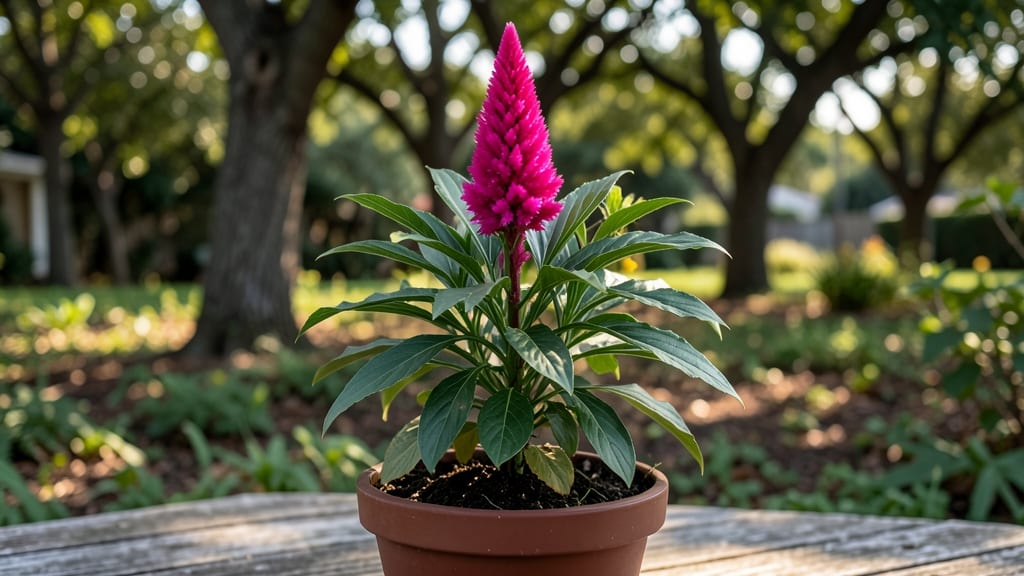
The celosia bloom time thrives when temperatures hit 75°F or higher, turning your garden into a fiery display of 🌸 plumed or velvety crests by mid-summer.
If you’ve ever wondered why your celosia plants seem to burst into vibrant blooms only during the hottest months, the answer lies in their heat-triggered growth cycle—and timing varies dramatically by variety.
Most celosia varieties planted in USDA Zone 6a will start flowering as early as July, with peak bloom stretching into September if conditions are right.
In this guide, I’ll break down the exact bloom windows for popular types, how to coax earlier flowers with simple care tweaks, and why some varieties keep blooming well into fall.
How heat triggers celosia bloom time: the science behind the stages
Celosia plants are famous for their dramatic, flame-like blooms that seem to appear overnight during summer's peak. But this burst of color isn't random—it's triggered by heat thresholds and day-length sensitivity that vary by variety.
Most celosia types need consistent temperatures above 75°F (24°C) to shift from vegetative growth to flowering, with tropical varieties often requiring even warmer conditions.
The transition from leafy stems to vibrant blooms follows three distinct stages: vegetative growth, bud formation, and full flowering. Understanding these phases helps gardeners time plantings and care strategies for maximum impact.
For example, plumed celosia varieties like 'Black Velvet' often bloom earlier than cockscomb types like 'Flame Toss' when exposed to the same heat conditions.
| Stage | Temperature Threshold | Day-Length Response | Key Characteristics |
|---|---|---|---|
| Vegetative Growth | 50-70°F (10-21°C) | Day-neutral (no strong response) | Rapid leaf production; minimal bud formation |
| Bud Formation | 75°F+ (24°C+) | Short-day sensitive (tropical types) | Swollen buds appear; stems thicken |
| Full Flowering | 80°F+ (27°C+) | Day-length insensitive (heat-driven) | Vibrant blooms open; peak color intensity |
| Post-Bloom | Below 65°F (18°C) | Dormancy triggered | Blooms fade; seed production begins |
During the vegetative stage, celosia focuses energy on leaf and stem growth, often producing lush foliage that can obscure future blooms. This phase typically occurs when daytime temperatures stay below 75°F (24°C), regardless of daylight hours.
Many gardeners mistake this leafy growth for healthy plants, not realizing they're missing the heat trigger needed to initiate flowering.
The real magic happens when temperatures consistently exceed 75°F (24°C) for at least 7-10 days. This heat shock signals the plant to enter bud formation, where you'll notice small swellings at stem nodes.
Tropical celosia varieties are particularly sensitive to day length, requiring 12-14 hours of daylight combined with heat to properly develop buds.
Once buds form, the transition to full flowering becomes inevitable, typically occurring within 2-3 weeks of bud appearance. This final stage is when celosia delivers its signature drama, with blooms that can reach 12 inches tall in some varieties.
The intensity of colors—from deep reds to fiery oranges—is directly correlated with consistent temperatures above 80°F (27°C) during this period.
An often-overlooked factor is nighttime temperatures. While daytime heat triggers blooming, nights below 60°F (15°C) can delay or reduce flower quality. This is why celosia often performs best in USDA zones 8-11, where warm nights complement the daytime heat.
In cooler regions, gardeners can use row covers or black plastic mulch to raise soil temperatures and encourage earlier blooming.
The final stage, post-bloom, begins when temperatures drop below 65°F (18°C) consistently. At this point, celosia shifts focus to seed production, causing blooms to fade and stems to become woody. Annual varieties will die back completely, while tropical types may produce seed heads before entering dormancy.
Understanding this cycle helps gardeners know when to harvest seeds or deadhead spent blooms to encourage prolonged flowering.
For gardeners in cooler climates (zones 6-7), extending the bloom season requires strategic planning. Starting seeds indoors 8-10 weeks before last frost gives plants a head start, while using heat-loving companion plants like marigolds can create microclimates that accelerate blooming.
Additionally, choosing early-blooming varieties like 'Golden Feather' can push the bloom window forward by 2-3 weeks compared to later types.
One common misconception is that celosia blooms strictly on a calendar timeline. In reality, local microclimates play a huge role. A garden in Southern California might see celosia blooms as early as May, while similar conditions in North Carolina may not trigger blooming until July.
Paying attention to your specific heat patterns—rather than relying on general bloom charts—will give you the most accurate predictions for your garden.
To maximize your celosia's bloom potential, monitor soil temperatures using a simple soil thermometer. Aim to keep root zones above 70°F (21°C) during the vegetative stage, then push to 75°F+ (24°C+) once buds begin forming.
This targeted approach can shave 10-14 days off the time between planting and first blooms, giving you more vibrant summer color earlier in the season.
Exact bloom months for celosia varieties: from early summer to late fall
Celosia plants thrive in heat and reward gardeners with vibrant blooms during the hottest months. However, not all varieties bloom at the same time—some burst into color in early summer, while others shine through late fall.
Understanding these timing differences helps you plan your garden for maximum impact.
In USDA zones 7–11, most celosia varieties follow a predictable bloom schedule, but cooler climates may shift these windows by 2–4 weeks. For example, Celosia argentea (plumed types) often bloom earlier than Celosia cristata (cockscomb varieties).
Let’s break down the exact months for popular types and how to adjust for your region.
If you’re in USDA zones 5–6, expect blooms to start 2–4 weeks later due to cooler temperatures. For example, Celosia cristata in zone 5 might not peak until late September instead of August.
To extend blooms, plant heat-loving varieties like 'Flame Toss' in containers—you can move them to sheltered spots as temperatures drop.
For longer bloom seasons, mix early and late varieties. Pair 'Golden Feather' (June–September) with 'Chocolate Cherry' (August–October) to create a continuous color show from summer through fall. Deadhead spent blooms regularly to encourage new flowers and keep your celosia looking fresh.
Pro tip: In hotter zones (9–11), blooms may fade faster due to intense heat. Provide light afternoon shade during peak summer months to preserve vibrant colors and extend the bloom window by 2–3 weeks. Mulch around the base to retain moisture and keep roots cool.