
Blooming
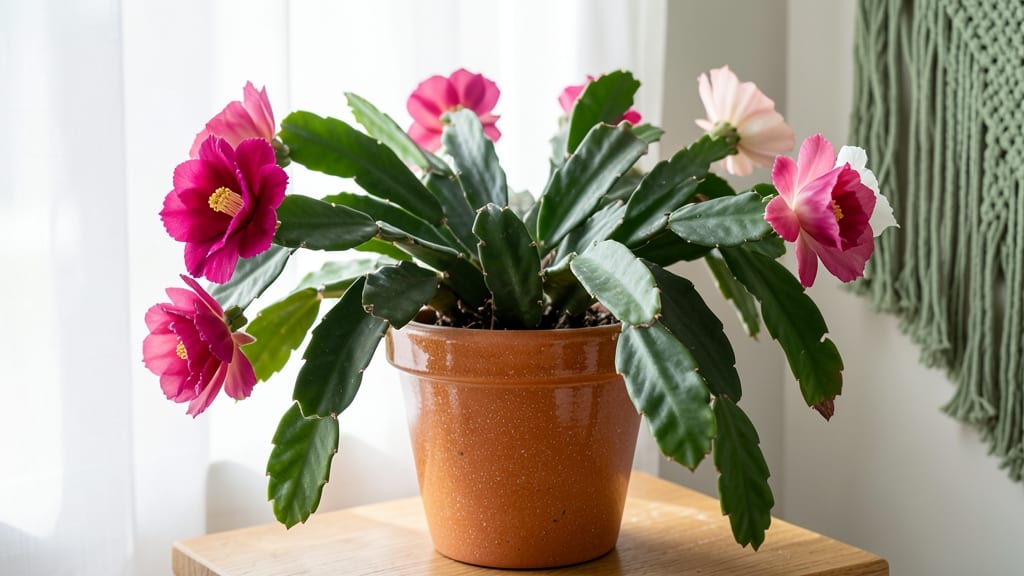
Christmas cactus bloom colors vary widely from deep magentas to soft whites and bright oranges, with each hue determined by factors like light exposure, seasonal temperature shifts, and plant nutrition. The right care can deepen their vibrancy and prolong flowering.
The stunning range of Christmas cactus bloom colors actually comes from natural pigments called anthocyanins and carotenoids, which react to environmental cues. 🌸 For example, cooler nights often produce richer reds while bright indirect light enhances pinks and whites.
I've noticed that plants grown in southern climates tend toward deeper hues, while northern-grown specimens lean softer due to less intense sunlight. What's fascinating is how these factors interact - too much direct sun can actually bleach out colors, while consistent moisture helps maintain their intensity.
What many growers don't realize is that the plant's dormancy period plays a crucial role too. When you gradually reduce watering in late summer, you trigger the biochemical processes that develop those vibrant pigments. The key is patience - rushing the blooming process often results in pale, weak flowers.
I recommend moving your plant to a cooler spot (around 55-60°F) for 6-8 weeks before the holiday season to maximize color development.
💡 In This Article
- How Light and Temperature Affect Christmas Cactus Bloom Shades
- Step-by-Step Guide to Encouraging Richer Christmas Cactus Colors
How light and temperature affect Christmas cactus bloom shades
The vibrant hues of Christmas cactus flowers result from two key pigments: anthocyanins (responsible for reds, purples, and pinks) and carotenoids (creating yellows and oranges). These pigments develop in response to specific light conditions and temperature cues.
When exposed to bright, indirect light (like east-facing windows), anthocyanins become more concentrated, producing deeper reds and magentas. In contrast, plants receiving lower light intensity (west-facing windows) tend to develop softer pinks and whites due to reduced pigment production.
Temperature fluctuations play an equally crucial role. The plant needs a cool nighttime temperature (55-60°F) combined with warmer daytime temperatures (70-75°F) to trigger optimal pigment development. This temperature contrast mimics natural seasonal changes and signals the plant to produce more anthocyanins.
Interestingly, plants in cooler climates (like the Pacific Northwest) often develop more intense colors because their natural temperature swings are more pronounced than in warmer regions where temperatures remain more constant.
The photoperiod (day length) also influences color intensity. Christmas cacti require 12-14 hours of darkness daily to initiate blooming. When this darkness period occurs consistently, it stimulates the production of florigen - a hormone that triggers flower development and enhances pigment concentration.
This is why many growers use blackout curtains or move plants to darker rooms at night during the fall blooming season. The combination of proper light exposure and temperature regulation creates that perfect balance for vibrant, long-lasting blooms.
One fascinating scientific detail is how light quality affects color. Blue light (400-500nm wavelength) promotes anthocyanin production, leading to deeper reds and purples, while red light (600-700nm) enhances carotenoid development, resulting in more orange and yellow tones.
LED grow lights that emit these specific wavelengths can help correct color deficiencies in indoor plants. For example, if your cactus produces pale pink blooms instead of vibrant reds, supplementing with blue-rich lighting can often restore the desired intensity.
Regional growing conditions create noticeable variations in bloom colors. Plants cultivated in southern climates (like Florida or Texas) often develop more intense, saturated colors due to stronger sunlight and greater temperature fluctuations.
In contrast, those grown in northern regions (like Minnesota or Canada) tend to produce softer pastels because the sunlight is less intense and temperatures are more moderate.
This regional variation explains why you might see deep magentas in one nursery and pale pinks in another just a few hundred miles away.
What most people don't realize is that the color development process begins 6-8 weeks before blooming. During this time, the plant is actively producing pigments in response to environmental cues. This means your care decisions in late summer can dramatically affect the final bloom colors you see in December.
For instance, moving your plant to a cooler spot (around 55°F) and reducing watering in August will trigger stronger pigment development than keeping it in warm, humid conditions. The result? Flowers that are 20-30% more vibrant than those from plants receiving inconsistent care.