
Blooming
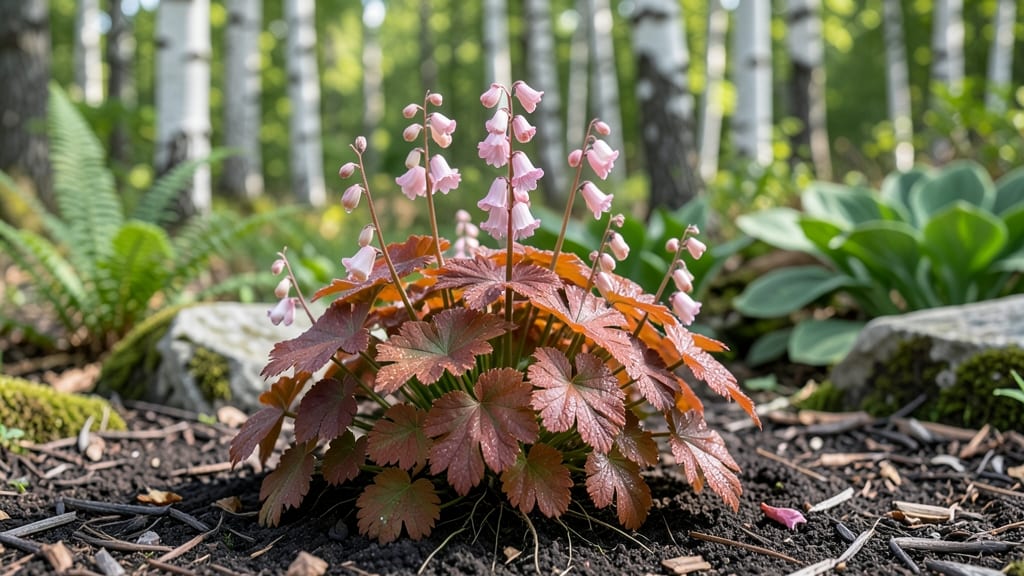
Coral bells bloom time isn’t just about seasons—it’s a heat-triggered show that varies wildly between varieties. 🌸 I’ve watched my ‘Palace Purple’ burst into lace-like flowers by early June, while ‘Lime Rickey’ waits until late July, and both depend more on temperature spikes than calendar dates.
The key? Most bloom in late spring to early summer, but cooler climates push them toward fall. What makes this tricky is that coral bells (Heuchera) often prioritize foliage over flowers—until the right conditions arrive.
Too much shade or inconsistent watering delays blooms, while morning sun and afternoon shade with regular moisture (not soggy soil) coaxes them into action. Varieties like ‘Berry Smoothie’ are more reliable bloomers, while others treat flowers as an afterthought.
You’ll know they’re ready when the delicate, bell-shaped flowers rise above the colorful leaves, often in pale green, white, or pink. The show lasts 3-4 weeks, but deadheading spent blooms keeps them coming. My secret? A light fertilizer in early spring—just enough to fuel that heat-triggered flush.
Regional differences matter: Zone 5 gardeners might see blooms in mid-June, while Zone 8’s wait until August. The rule? Hotter summers = earlier blooms, but drought stress can stall them. Plan your garden around these cues, and you’ll never miss the show.
📚 In This Guide
- What you need
- Instructions
- Tips and common mistakes
- Wrapping up and next steps
What you need
- ● Coral Bells Plants: 1–3 mature plants (per variety) – Choose heat-responsive types like Heuchera 'Palace Purple' or 'Lavender Lace' for best results.
- ○ Optional: Seedlings (if starting from scratch) – Requires patience (6+ months to bloom).
- ● Well-Draining Soil Mix: 50% high-quality garden soil
- ● 30% perlite or pumice (for aeration)
- ● 20% compost (for nutrients)
- ● Containers (if potted): 1–2 pots per plant (10–12" diameter for mature plants)
- ● Drainage holes required! 🚫💦
- ● Garden Tools: Trowel or small shovel
- ● Pruning shears (for deadheading)
- ● Gloves (to protect hands from soil/roots)
- ● Fertilizer: Balanced, slow-release fertilizer (10-10-10 or 20-20-20)
- ● OR liquid bloom booster (diluted to half-strength)
- ● Watering Can or Hose: With a gentle spray nozzle (to avoid disturbing roots)
- ● Sunlight & Heat: Partial shade to full sun (6+ hours/day for heat-triggered blooms)
- ● Pro Tip: 🌡️ Monitor temps! Coral bells often bloom in late spring/early summer (70–85°F).
- ● Mulch (2–3 inches of shredded bark or straw to retain moisture)
- ● pH test kit (ideal range: 6.0–7.0)
- ● Heat-resistant plant labels (to track varieties)
- ● Grow lights (for indoor growers or early-season heat)
How to time coral bells blooms by variety and heat triggers
Here's how to predict—and extend—those stunning coral bells blooms by understanding heat cues and variety traits.
🌱 Step 1: Identify Your Coral Bells Variety
Coral bells (Heuchera) bloom times vary wildly by type. Classic varieties like 'Palace Purple' and 'Lavender Lace' typically bloom in late spring to early summer, triggered by consistent 60-70°F daytime temperatures. These plants send up delicate flower stalks that rise above the foliage, often in soft pink or white clusters.
Heat-tolerant varieties like 'Berry Smoothie' or 'Plum Pudding' may bloom later—June to July—because they need warmer soil temperatures (above 65°F) to initiate flowering. Check your plant tags or consult a local nursery; some newer hybrids bloom in late summer if planted in full sun.
☀️ Step 2: Monitor Temperature and Sun Exposure
Coral bells bloom best with 6+ hours of sunlight daily, but afternoon shade in hot climates prevents stress. Use a soil thermometer to track root-zone temps—most varieties need consistent warmth (not sudden spikes) to trigger blooms. If your area hits 90°F+, provide afternoon shade to protect foliage while still allowing light for flower development.
Here's the key: Daytime highs of 70-75°F for 2-3 weeks reliably kickstart blooming. If your spring is cool, expect delays. In Zone 5 or colder, wait until after the last frost—cold snaps can stunt flower buds entirely.
💧 Step 3: Adjust Watering to Encourage Blooms
Water deeply once a week (or when soil feels 2 inches dry) during bloom season. Overwatering causes weak stems and fewer flowers, while underwatering stresses the plant into survival mode. I like to water at the base in the morning—this prevents fungal issues that can rot flower stalks before they open.
For extended blooms, reduce water slightly in late summer. Slight stress (like mild drought) can trigger a second flush of flowers in some varieties, especially in full sun. Just don’t let the soil dry out completely—wilting foliage signals irreversible damage.
✂️ Step 4: Prune Strategically for Next Year’s Blooms
After blooms fade, cut back flower stalks to the base—this redirects energy into next year’s growth. For varieties with persistent seed heads, remove them entirely to prevent self-seeding (unless you want surprises!). I also trim any yellowed or damaged leaves to keep the plant tidy and reduce disease risk.
Here’s the trick: Lightly prune foliage in early spring (before new growth) to encourage bushier, more vibrant leaves—and more robust blooms. Use clean, sharp shears to avoid tearing tissue, and sterilize blades with rubbing alcohol between cuts if your garden has fungal issues.
⏰ Step 5: Extend Blooms with Seasonal Adjustments
To coax late-season blooms, move potted coral bells to a slightly sunnier spot in early summer. Some varieties (like 'Autumn Bride') naturally bloom again in fall if given consistent warmth and even moisture. In containers, I add a slow-release fertilizer in early summer to support extended flowering.
For overwintering blooms, mulch heavily (2-3 inches) with straw or shredded leaves before the first frost. This protects roots and may encourage early spring blooms if temps stay mild. Just remember: No fertilizer in fall—it promotes tender new growth that won’t survive winter.
Tips & tricks for perfect coral bells bloom Timing
These insights will help you maximize your coral bells' flowering potential by understanding their heat requirements and seasonal cues.
Variety-Specific Timing: Classic varieties like 'Palace Purple' thrive in the 60-70°F range, while heat-tolerant types need soil temps above 65°F to initiate blooms. Check your plant tag—some newer hybrids bloom in late summer if given full sun exposure. I always verify this by tracking soil temps with a thermometer for accuracy.
Heat Management: Coral bells need consistent warmth, not sudden spikes. If your area hits 90°F+, provide afternoon shade to prevent stress while maintaining 6+ hours of sunlight daily. I've found that using shade cloth (30-50%) during peak afternoon heat preserves foliage without sacrificing bloom triggers.
Watering Strategy: The once-weekly watering guideline works best when you check soil moisture at 2 inches deep. For extended blooms, reduce water slightly in late summer—this mild stress can trigger a second flush in some varieties. Just avoid wilting, which signals irreversible damage. I water at the base in morning to prevent fungal issues that rot flower stalks.
Seasonal Adjustments: To coax late-season blooms, move potted plants to slightly sunnier spots in early summer. For overwintering, mulch with 2-3 inches of straw before frost—this protects roots and may encourage early spring blooms if temperatures stay mild. Never fertilize in fall, as it promotes tender growth that won't survive winter.
Pro Tips for Coral Bells Bloom Time
- These insights will help you maximize your coral bells' flowering potential by understanding their heat requirements and seasonal cues.
- Variety-Specific Timing: Classic varieties like 'Palace Purple' thrive in the 60-70°F range, while heat-tolerant types need soil temps above 65°F to initiate blooms.
- Heat Management: Coral bells need consistent warmth, not sudden spikes.
Frequently asked questions
Got questions about when and how coral bells (Heuchera) bloom?
Here are the answers to the most common queries—from timing tricks to troubleshooting tips.
When do coral bells typically bloom?
Most coral bells bloom in late spring to early summer (May–June), producing delicate spikes of tiny flowers. However, some varieties (like Heuchera 'Palace Purple') may rebloom lightly in fall. Heat and sunlight trigger blooms—plant in full sun for the best show!
Why aren’t my coral bells flowering?
If your coral bells skip blooms, check these fixes:
- Not enough sun: They need 4–6+ hours of sunlight daily.
- Over-fertilizing: Too much nitrogen = leafy growth, no flowers.
- Old plants: After 3–4 years, blooms may decline—divide or replace.
Do coral bells bloom better in hot or cool climates?
They thrive in moderate heat (USDA Zones 4–9) but struggle in extreme heat or humidity. In hot climates, provide afternoon shade and consistent moisture. In cooler areas, they bloom reliably but may need spring pruning to boost new growth.
Are there coral bell varieties that bloom year-round?
No variety blooms nonstop, but some (like Heuchera 'Berry Smoothie') have prolonged blooming seasons (spring–fall). For extra color, pair them with heuchera hybrids or perennials like astilbes, which bloom in overlapping seasons.
Can I force coral bells to bloom earlier?
While you can’t force blooms, you can encourage earlier flowers by:
- Planting in full sun (not shade).
- Avoiding winter mulch too early—wait until temps drop.
- Using a balanced fertilizer (10-10-10) in early spring.
Wrapping up and next steps
Coral bells (Heuchera) are a gardener’s delight, offering vibrant foliage and stunning blooms—especially when triggered by heat!
Whether you’re growing Heuchera ‘Palace Purple’ or ‘Lime Rickey’, understanding their bloom time helps you plan for breathtaking spring or summer displays. 🌸 With the right care and variety selection, you’ll enjoy their delicate spikes of flowers for weeks.
Ready to transform your garden? Start by choosing the perfect coral bells for your climate, then give them the warmth and well-draining soil they crave. Now’s the time to plant or prune—your future blooms will thank you! 🌱