
Blooming
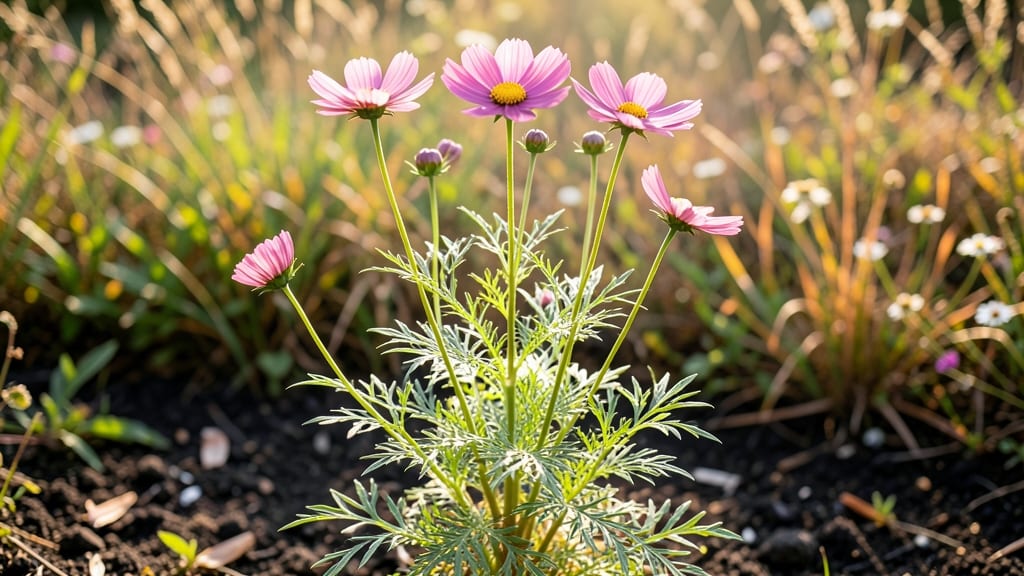
Your cosmos bloom time is all about timing—typically late summer through fall, but the exact window depends on your variety and climate.
If you love vibrant, low-maintenance flowers that thrive in summer heat and keep blooming all season, cosmos are your perfect garden companion—but timing their peak bloom is key to maximizing their beauty.
In USDA Zone 6a, most cosmos burst into color from July to October, with some heat-tolerant varieties stretching blooms into early frost. Early varieties like 'Bright Lights' may start as soon as June, while late bloomers like 'Sensation' shine until first frost.
Here’s how to extend that bloom time—plus the best heat-tolerant varieties that rebloom after deadheading, so your garden stays lively all season.
When do cosmos bloom: seasonal timeline by variety
Timing your cosmos planting is the secret to unlocking their stunning summer-to-fall display. Most varieties start blooming 60-90 days after sowing, but exact timing depends on your USDA zone and chosen variety.
In Zone 6a and warmer, expect vibrant blooms from mid-July through October, while cooler regions may see delayed starts.
Cosmos thrive in hot summer conditions, making them perfect for heat-tolerant gardens. Their ability to rebloom continuously when properly deadheaded means you can enjoy their papery petals for weeks longer than many annuals. The key is selecting varieties that match your local climate and bloom preferences.
| Variety | Bloom Period | Heat Tolerance | Height | Color Palette |
|---|---|---|---|---|
| 'Bright Lights' | July - October | Very High (9/10) | 2-4 ft | Pink, white, red |
| 'Sensation Mix' | Late June - November | High (8/10) | 3-5 ft | Pink, red, white |
| 'Double Click' | August - October | Moderate (7/10) | 1.5-2.5 ft | Pink, white, lavender |
| 'Seashells' | July - September | Very High (9/10) | 2-3 ft | White, pink |
| 'Purity' | Late July - October | High (8/10) | 3-4 ft | Pure white |
| 'Cosmic Orange' | June - October | Very High (9/10) | 2-3 ft | Orange, yellow |
Early bloomers like 'Cosmic Orange' can start as early as late June in warm climates, while perennial varieties may bloom slightly later but offer multi-year performance. The heat tolerance ratings reflect how well each variety handles 90°F+ temperatures without wilting.
For northern gardens (Zone 5 or cooler), plan to sow seeds 4-6 weeks after your last frost date—typically mid-April to early May. In southern regions, you can start as early as February for continuous blooms through fall frost.
The longest bloom windows belong to 'Sensation Mix' and 'Bright Lights', which can flower for 4-5 months with proper care.
One common misconception is that cosmos only bloom once. In reality, they're self-cleaning annuals that rebloom naturally—though deadheading spent blooms extends their season by 30-50%. The double-flowered varieties like 'Double Click' often bloom slightly later but produce more compact blooms that last longer in arrangements.
If you're in a high-altitude region (above 5,000 ft), expect blooms to start 2-3 weeks later due to cooler temperatures. Conversely, desert climates can trigger earlier blooming as soon as May.
Always check your local frost dates and adjust planting accordingly—cosmos hate cold soil and may rot if planted too early.
For container gardening, choose dwarf varieties like 'Seashells' (2-3 ft) and plant in 5-gallon pots with well-draining soil. Container-grown cosmos often bloom 1-2 weeks earlier than in-ground plants because their roots warm up faster in sunny spots.
Just ensure pots get at least 6 hours of sun daily for optimal flowering.
Pro tip: Interplant cosmos with early spring bulbs like daffodils for a sequential bloom show. By the time the bulbs fade in late May, your cosmos will be bursting into color. This layered planting strategy creates non-stop interest from spring through fall.
Remember, cosmos are drought-tolerant once established, but they'll reward you with longer bloom times if you water deeply once a week during peak summer heat. A 2-inch layer of mulch helps retain moisture and keeps roots cool—critical for heat-sensitive varieties like 'Double Click'.
🌸
How to extend cosmos bloom time through deadheading
Want your cosmos to bloom continuously from summer through fall? The secret lies in deadheading—a simple yet powerful technique that encourages new flower production. When done correctly, deadheading can extend your cosmos' bloom time by 30-50%, giving you vibrant blooms for weeks longer than you'd get naturally.
The best part? It only takes a few minutes each week and requires minimal tools.
Deadheading works by removing spent blooms before they set seed, redirecting the plant's energy toward producing more flowers instead. For heat-tolerant cosmos varieties, this technique is especially effective because these plants thrive in warm conditions and respond eagerly to proper care.
Whether you're growing 'Sensation' cosmos or 'Bright Lights', consistent deadheading will keep your garden looking fresh and full.
Step-by-Step Deadheading Guide for Cosmos
-
Step 1: Choose the Right Time
Deadhead in the early morning when blooms are dry. Avoid wet conditions to prevent disease spread. Focus on fully open, faded flowers—these are ready for removal.
-
Step 2: Use the Correct Tools
Grab clean, sharp pruning shears or your fingers for small stems. Disinfect tools with rubbing alcohol between plants to prevent contamination.
-
Step 3: Pinch or Cut Properly
For single-stem blooms, pinch off the entire flower head just above the first set of healthy leaves. For clustered blooms, cut the whole stem back to a leaf node.
-
Step 4: Remove Seed Pods
Check for developing seed pods—these signal the plant to stop flowering. Snip them off immediately to encourage more blooms.
-
Step 5: Maintain a Schedule
Deadhead weekly during peak bloom (June-August) and bi-weekly in early/late season. Heat-tolerant cosmos may need more frequent attention in 90°F+ temperatures.
-
Step 6: Boost with Post-Deadheading Care
After deadheading, give plants a light fertilizer (5-10-10) and deep watering to support new growth. Mulch around the base to retain moisture.
Timing is everything when deadheading cosmos. I recommend focusing on newly opened but faded blooms—these are the best candidates for removal. If you wait until flowers turn brown and crispy, you might miss the optimal window for encouraging reblooming.
For heat-tolerant varieties, early morning deadheading helps prevent wilting during the hottest part of the day.
Don't overlook the importance of clean tools—diseases like powdery mildew can hitch a ride on dirty pruners. I always keep a small bottle of rubbing alcohol in my gardening toolkit for quick disinfection between plants.
This small step can make a big difference in keeping your cosmos healthy and blooming longer.
For maximum results, pair deadheading with proper watering and fertilizing. Cosmos thrive with consistent moisture but hate soggy roots, so aim for deep watering 2-3 times per week during hot spells. A balanced fertilizer every 4-6 weeks will give your plants the nutrients they need to produce abundant blooms.
With these techniques, your cosmos will reward you with continuous blooms from June through October, turning your garden into a nonstop floral show. The key is consistency—stay on top of deadheading, and your cosmos will keep performing all season long.