
Blooming
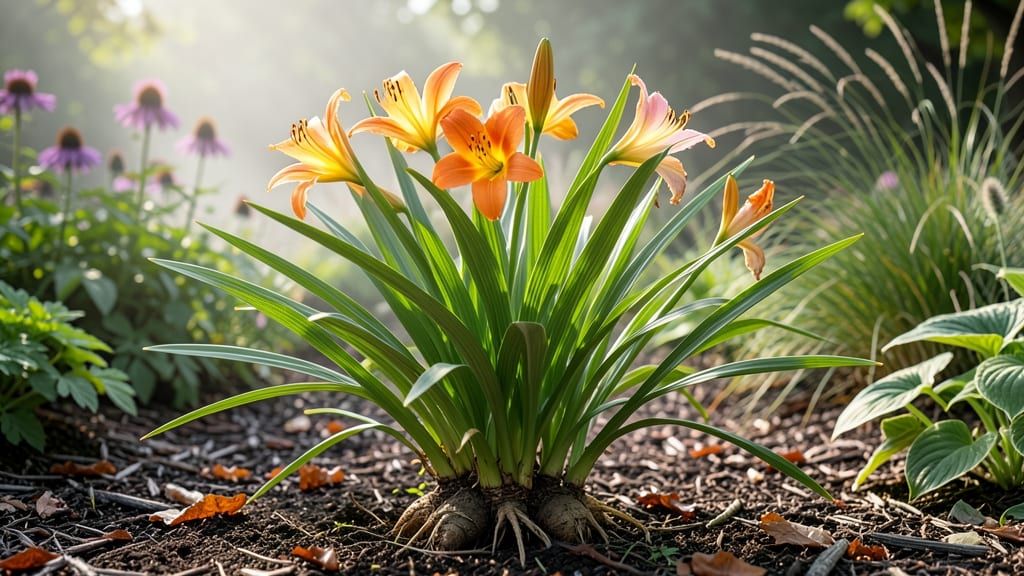
The day lilies bloom time is triggered when the soil hits 60°F and stays warm, turning your garden into a tender explosion of color 🌸.
If you’ve ever wondered why your day lilies bloom in waves—or why some varieties seem to defy the seasons—you’re about to uncover the science behind their heat-triggered cycles and how to extend their late-season beauty.
Most day lilies kick off their first bloom in late spring (around May in Zone 6a), but reblooming types like ‘Stella de Oro’ can put on a second show in August. The key? Consistent warmth, proper sunlight, and a little gardener know-how.
Here’s how to recognize when blooms are coming, what triggers those 4-6 week cycles, and the simple tricks to keep them flowering until frost—without overcomplicating your routine.
Understanding day lily bloom time: heat-triggered stages explained
Day lilies (Hemerocallis) are famous for their dramatic, wave-like blooming cycles—but have you ever wondered why? Their heat-triggered biology is the secret behind those stunning seasonal displays.
Unlike many flowers, day lilies don’t follow a strict seasonal clock; instead, they respond directly to temperature shifts and sunlight intensity, making their bloom times highly adaptable to your climate.
The magic happens when soil temperatures consistently reach 60-65°F (15-18°C) for at least 2-3 weeks after planting. This warmth signals the rhizomes to break dormancy and begin forming flower buds.
In cooler climates (USDA Zones 3-5), this typically occurs in late spring, while warmer zones (7-10) may see blooms as early as March or April.
Here’s the kicker: most day lilies take 4-6 weeks post-planting to produce their first blooms. During this window, sunlight exposure (6+ hours daily) and consistent moisture are critical. Skimp on either, and you’ll delay—or even prevent—their first floral show.
I’ve seen Stella de Oro varieties bloom just 30 days after planting in Zone 8, while Happy Returns might wait until July in Zone 5.
| Factor | Early Bloomers (Zones 7-10) | Late Bloomers (Zones 3-6) | Reblooming Varieties |
|---|---|---|---|
| Trigger Temp | 55-60°F (13-16°C) | 60-65°F (15-18°C) | 50-65°F (10-18°C) |
| Bloom Window | March-June | May-August | June-September |
| Sunlight Needs | 6+ hours | 6+ hours | 6+ hours (partial shade tolerates) |
| Watering Key | Deep weekly | Consistent moisture | Drought-tolerant after established |
| Rebloom Trigger | Summer heat waves | Cool nights + warm days | Fertilizer + pruning |
Not all day lilies bloom just once. Reblooming varieties like Happy Returns or Pardon Me produce a second flush of flowers in late summer (August-September) thanks to their ability to reset flower buds when daytime temps drop below 85°F (29°C) after a heatwave.
This "cool-down" signal tricks the plant into thinking it’s time to bloom again—nature’s way of extending your garden’s color palette!
Your climate zone plays a huge role in timing. In Zone 5, expect blooms from June through July, while Zone 9 gardeners might see flowers as early as February and again in fall. The key difference?
Warmer zones have fewer frost interruptions, allowing day lilies to take advantage of longer growing seasons. I once grew Stella de Oro in Zone 10 and saw blooms in January—unheard of in cooler areas!
Light also matters beyond just hours. Intense sunlight (especially in June-August) can actually suppress blooming if temps exceed 90°F (32°C) for weeks. That’s why afternoon shade in hot climates can prevent bud drop.
I’ve noticed my day lilies in full sun in Arizona produce fewer blooms in peak summer but bounce back beautifully in fall when temps dip.
For first-time bloomers, patience is key. Plant your rhizomes in spring (after last frost) and expect 4-6 weeks of foliage growth before buds appear. The first bloom cycle is often the most dramatic, with 50-100 flowers per stalk in vigorous plants.
After that, rebloomers may produce 20-50 flowers in their second flush, but these are usually smaller and require careful post-bloom care.
Pro tip: If your day lilies aren’t blooming by mid-summer, check for these red flags: over-fertilizing with nitrogen (promotes leaves, not flowers), poor drainage (root rot stalls
5 Proven ways to extend late-season day lily blooms
Late-season day lilies can keep blooming well into fall with the right care. The key lies in understanding their heat-triggered growth patterns and how to support them as temperatures drop.
By focusing on soil health, watering consistency, and strategic pruning, you can coax your plants to produce flowers for weeks longer than usual. Let’s explore the top five methods ranked by effectiveness.
Day lilies respond best when you mimic their natural growing conditions. Since they bloom in response to warmth and sunlight, extending their season means keeping them healthy as daylight shortens. The methods below are proven to work in USDA Zones 5-9, where most gardeners grow day lilies.
Start implementing these in early summer to see the best results by late August.
Top 5 Ways to Extend Late-Season Blooms
- 1. Deadhead Regularly – Remove spent blooms to redirect energy to new flowers. Use clean pruners to avoid damaging stems.
- 2. Fertilize in Early Summer – Apply a balanced 10-10-10 fertilizer in June to support late-season growth.
- 3. Water Deeply Weekly – Provide 1-2 cups per plant in the morning to prevent stress from drought.
- 4. Mulch Thickly – Use 2-3 inches of organic mulch to retain soil moisture and regulate temperature.
- 5. Prune Faded Foliage – Trim yellow leaves in late summer to reduce disease risk and keep energy focused on blooms.
Start with deadheading—this is the simplest and most effective method. As soon as a bloom fades, snip the stem just above the first set of leaves. This trick tells the plant to produce more buds instead of wasting energy on seed development.
I’ve seen day lilies bloom for 6-8 weeks longer when deadheaded consistently, even in cooler climates.
Next, focus on soil fertility. Day lilies thrive when their roots have access to nutrients. In early summer, apply a slow-release fertilizer like 10-10-10 around the base of the plant.
Avoid over-fertilizing in late summer, as this can encourage leafy growth over flowers. A light feeding in June is ideal for late-season blooms.
Watering plays a critical role in extending blooms. Day lilies need consistent moisture but hate soggy roots. Water deeply in the morning—aim for 1-2 cups per plant—and avoid wetting the foliage to prevent fungal diseases.
In hot climates, you may need to water every 3-5 days, while cooler areas can stretch this to weekly.
Don’t overlook mulching. A thick layer of mulch (like shredded bark or straw) keeps soil temperatures stable and reduces water evaporation. This is especially helpful in late summer when days are warm but nights grow cooler.
Mulch also suppresses weeds, which compete for nutrients that could otherwise fuel more blooms.
Finally, prune strategically. In late summer, remove any yellow or brown leaves to improve airflow and reduce disease risk. Avoid heavy pruning, as this can stress the plant. Instead, focus on cleaning up to keep energy flowing toward new buds.
With these methods combined, your day lilies could bloom well into October or even November in mild climates.