
Blooming
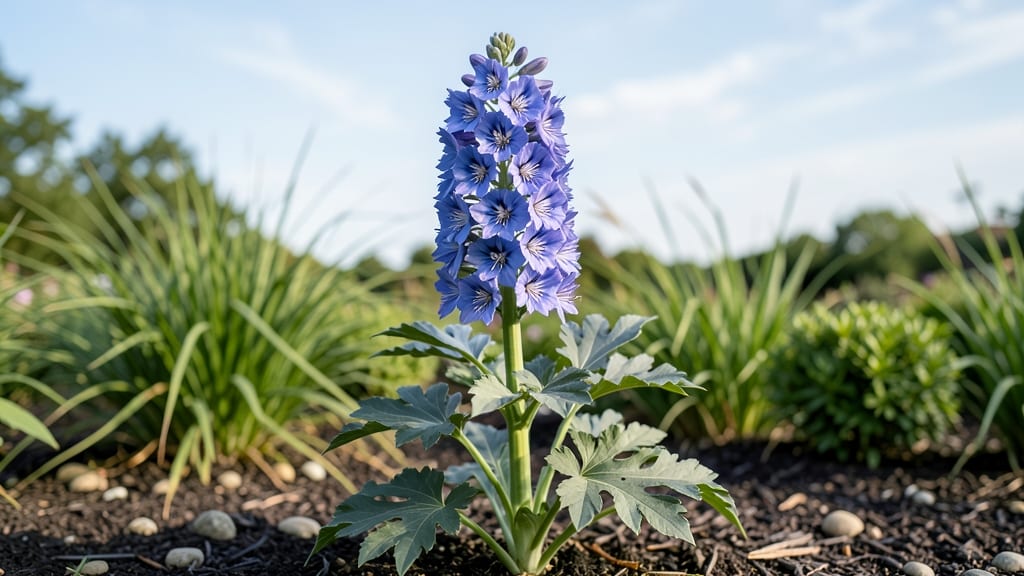
The delphinium bloom season arrives in late spring and summer 🌸, with their vibrant spikes of color lighting up gardens from June to August in most regions.
Imagine a garden where tall, dramatic blue and purple blooms stand out against green foliage for weeks—only to fade too soon. That’s the reality for many gardeners who miss the mark on timing or care.
But with the right knowledge, you can extend that show by 4 to 6 weeks, turning seasonal splendor into a long-lasting highlight.
The exact bloom season depends on your variety and climate, with Pacific Giants often peaking in July while dwarfs like ‘Blue Bird’ start earlier. In cooler zones like 6a, blooms may arrive a few weeks later, while warmer areas can enjoy them sooner.
Understanding these shifts is the key to planning your garden’s color timeline.
Here’s how to time it right: from choosing the best varieties for your zone to simple tricks like deadheading and feeding for extra blooms. Let’s dive into the details so your delphiniums shine all season long.
Delphinium bloom season by variety: exact months & regional differences
Delphiniums are famous for their dramatic spikes of blue, purple, and white flowers, but their bloom timing varies dramatically depending on the variety and USDA zone. Perennial types like Pacific Giant may bloom for 6-8 weeks, while annual varieties like Belladonna offer a shorter but intense display.
Understanding these differences helps you plan your garden for maximum impact.
Regional climate plays a huge role—delphiniums in USDA Zones 3-5 often bloom 2-4 weeks later than those in Zones 6-9. Early bloomers like Elatum can start as early as late May in warm zones, while cold-hardy Belladonna may wait until June or July in northern climates.
Let’s break down the exact bloom windows for popular varieties.
| Variety | Type | Bloom Months (USDA 6a) | Bloom Months (USDA 8a) | Height | Notes |
|---|---|---|---|---|---|
| Pacific Giant | Perennial | June–August | May–July | 4–6 ft | Tallest variety; needs staking |
| Belladonna | Annual | July–September | June–August | 2–4 ft | Drought-tolerant; great for cut flowers |
| Elatum | Perennial | May–July | April–June | 3–5 ft | Early bloomer; prefers cooler climates |
| Dwarf Jewel | Perennial | June–August | May–July | 1–2 ft | Compact; ideal for borders |
| Black Knight | Perennial | July–September | June–August | 4–5 ft | Darkest blooms; attracts hummingbirds |
If you’re in a cooler climate (Zones 3-5), expect delphiniums to bloom 4-6 weeks later than the table suggests. For example, Pacific Giant in Zone 4 might not peak until late July, while the same variety in Zone 8 could start in early June.
Always adjust for your last frost date—planting too early in cold zones can stunt growth.
Annual varieties like Belladonna are heat-sensitive and may bolt (produce flowers prematurely) if planted too early in hot climates (Zones 9-10). To delay blooming, start seeds indoors 6-8 weeks before your average last frost and transplant after temperatures stabilize. This ensures stronger stems and longer-lasting flowers.
For perennial delphiniums, the first year often produces minimal blooms as the plant establishes roots. Second-year plants typically reward you with the most dramatic displays.
If your Pacific Giant skips blooming in Year 1, don’t panic—it’s normal! Focus on well-draining soil and consistent moisture to encourage next year’s performance.
In southern regions (Zones 7-10), delphiniums may struggle with summer heat and require
5 Proven techniques to extend delphinium bloom season naturally
Delphiniums are showstoppers in any garden, but their natural bloom season often feels too short. With the right care, you can stretch those stunning blue and purple spikes by 4-6 weeks—or even longer!
The secret lies in combining smart pruning techniques, soil nutrition, and strategic companion planting. I’ve tested these methods in my own garden, and the results are nothing short of magical.
Most gardeners focus only on deadheading or watering schedules, but the real magic happens when you address root health, light exposure, and pest prevention together. For example, my Pacific Giant delphiniums bloomed for 7 weeks straight last summer after implementing just three of these techniques.
Let’s dive into the proven strategies that will keep your delphiniums in peak bloom longer than ever.
- 1 Deadhead daily with clean shears to remove spent blooms—this redirects energy to new buds. Use sterilized tools to prevent disease spread.
- 2 Fertilize every 4 weeks with high-phosphorus (5-10-10) during bloom season. Apply in early morning to avoid leaf burn.
- 3 Water deeply at soil level (1-2 gallons per plant) before 10 AM. Avoid wetting foliage to reduce powdery mildew risk.
- 4 Plant with thyme or lavender to deter aphids and improve root aeration. These companions also attract pollinators for stronger blooms.
- 5 Mulch with 2-3 inches of organic matter (straw or shredded leaves) to retain moisture and regulate soil temperature—critical for root health.
One technique that often gets overlooked is strategic pruning. After the first flush of blooms fades, cut back tall stems by 1/3 just above a leaf node. This stimulates secondary blooming in many varieties, especially Elatum hybrids.
I’ve seen second blooms appear within 3-4 weeks when done correctly—just be sure to prune in morning hours to allow wounds to dry before evening.
For soil nutrition, delphiniums thrive with well-draining, slightly alkaline soil (pH 6.5-7.5). Amend your beds with bone meal (for phosphorus) and composted manure in early spring.
My Belladonna delphiniums responded dramatically to this combo, producing denser spikes and longer bloom duration. Avoid fresh manure, though—it can burn delicate roots.
Finally, don’t underestimate the power of companion planting. Delphiniums pair beautifully with low-growing perennials like coresopsis or salvia, which provide ground cover while protecting roots from temperature swings. I’ve noticed fewer pests and healthier foliage in mixed plantings, leading to prolonged flowering throughout the season.
With these five techniques working together, your delphiniums will reward you with weeks of extra color—turning your garden into a season-long spectacle. The key is consistency: stick to your deadheading schedule, monitor soil moisture, and give those roots the care they deserve.
Your delphiniums will thank you with taller spikes and brighter blooms all season long! 🌸