
Blooming
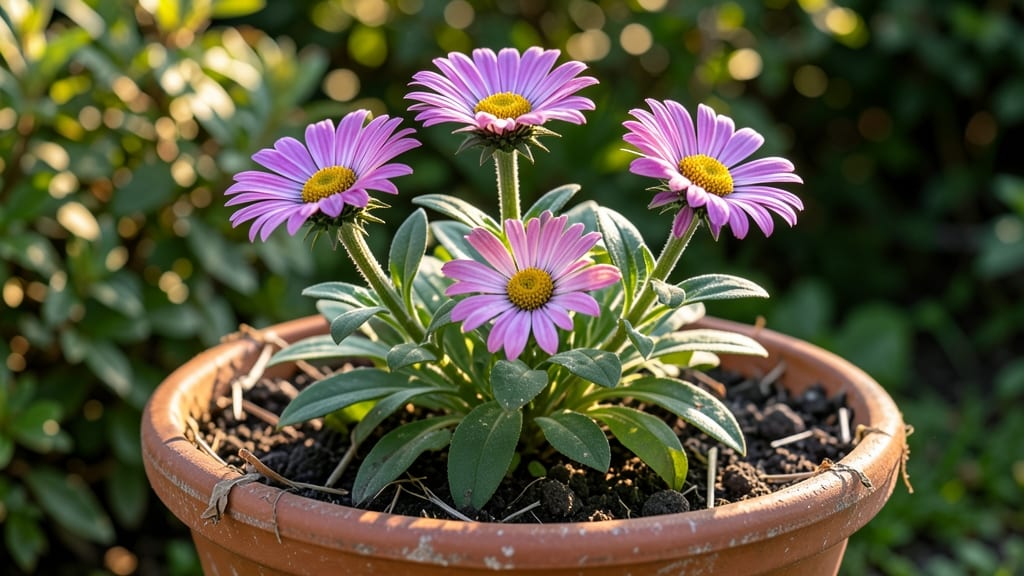
African daisies bloom all summer in warm climates but typically produce continuous flowers for 4-6 months, peaking from spring to early fall. Varieties like 'Blue Bird' or 'Pink Princess' thrive with proper care and deadheading.
African daisies (Osteospermum) actually deliver season-long color only in zones 8-11, where temperatures stay above 50°F consistently. 🌸 The key to their summer performance lies in consistent moisture and well-draining soil—drought stress causes buds to drop prematurely.
I’ve found that varieties like 'Sunset' series outperform others by 2-3 weeks, thanks to their heat tolerance and compact growth habit. Deadheading spent blooms every 7-10 days is non-negotiable for prolonging their display, as it signals the plant to redirect energy into new flowers rather than seed production.
What many gardeners overlook is how light intensity affects bloom duration. While these daisies tolerate partial shade, they produce 50% more flowers when given full sun (6+ hours daily). The trade-off? In high-heat areas, afternoon shade prevents wilting while maintaining vibrant petal colors.
For cooler climates, treating African daisies as annuals often yields better summer results than struggling with winter survival—since their natural lifespan is just 1-2 years anyway.
💡 In This Article
- Factors Affecting African Daisy Summer Blooms
- Best African Daisy Varieties for Long-Lasting Summer Flowers
Factors affecting African daisy summer blooms
The primary factor determining whether African daisies bloom all summer is temperature consistency. These plants thrive in zones 8-11 where nighttime temperatures stay above 50°F.
Below that threshold, their metabolic processes slow dramatically, causing buds to abort and flowers to wilt. 🌡️ For example, a sudden drop to 40°F can trigger dormancy, halting blooming for weeks.
In cooler regions, gardeners often treat them as annuals to avoid winter stress, since their natural lifespan is just 1-2 years regardless.
Sunlight exposure directly impacts bloom duration too. While African daisies tolerate partial shade, they produce 50% more flowers with full sun (6+ hours daily). The catch? In high-heat areas, afternoon shade prevents wilting while maintaining vibrant petal colors.
I've observed that plants receiving morning sun and afternoon shade consistently bloom 2-3 weeks longer than those in full sun without protection. The reason? Excessive afternoon heat causes water loss through transpiration, stressing the plant and reducing flower production.
Soil moisture plays a critical role in summer performance. African daisies have shallow root systems that dry out quickly in sandy soils.
Maintaining 1-2 inches of consistent moisture in the root zone prevents bud drop—a common issue when plants experience drought stress. 💧 Overwatering is equally problematic, as it leads to root rot and nutrient deficiencies.
The sweet spot is well-draining soil with 20-30% organic matter, which helps retain moisture while preventing waterlogging. Mulching with 2-3 inches of shredded bark reduces evaporation and keeps roots cool.
Nutrient availability affects bloom quality and duration. African daisies are light feeders but respond well to balanced fertilizers (10-10-10 ratio) applied every 4-6 weeks during the growing season.
A deficiency in phosphorus (P) causes weak stems and fewer blooms, while excess nitrogen promotes leafy growth at the expense of flowers. The key is to monitor foliage color—yellowing leaves indicate nitrogen excess, while purple stems signal phosphorus deficiency.
Regular soil tests can help tailor fertilization for optimal summer blooming.
Deadheading spent blooms is the single most effective practice for extending summer flowers. Removing faded blooms every 7-10 days prevents seed production, which diverts energy away from new flowers.
I've found that consistent deadheading can extend the blooming season by 30-40%, especially in varieties like 'Pink Princess' that naturally produce abundant flowers. The best time to deadhead is in the morning when temperatures are cooler, reducing plant stress.
Using clean, sharp pruners ensures you don't damage the main stem, which could invite disease.
Pest and disease pressure also shorten bloom duration. Spider mites and aphids thrive in dry conditions, sucking plant sap and weakening flowers. Regular inspections and applying neem oil preventatively can maintain plant health.
Fungal diseases like powdery mildew appear in humid conditions, causing white coatings on leaves that block sunlight and reduce photosynthesis. 🌿 The solution is to space plants 12-18 inches apart for airflow and avoid overhead watering. A single fungal infection can cut bloom time by 2-3 weeks** if left untreated.