
Blooming
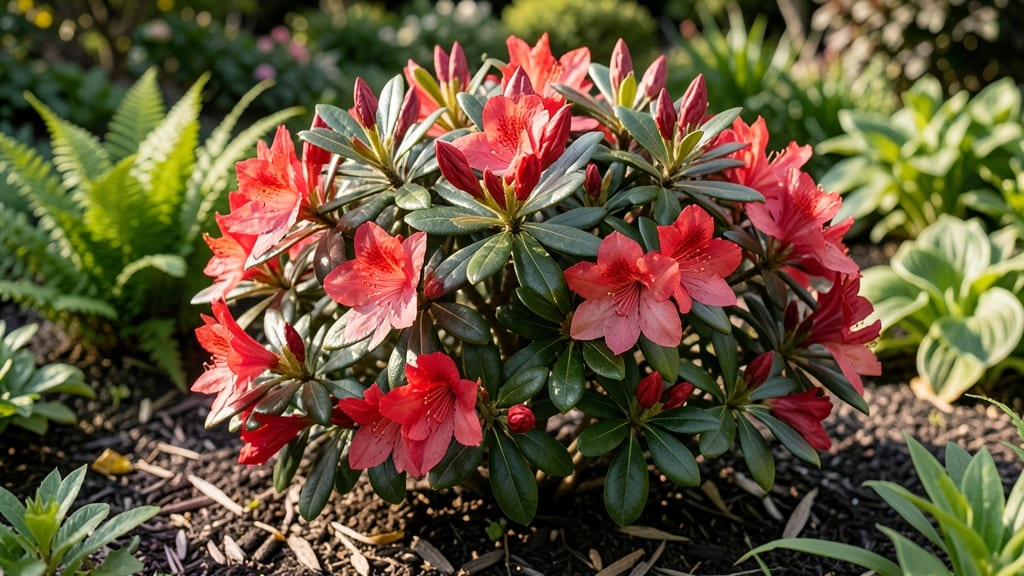
Azaleas don't bloom all summer—most varieties produce flowers for just 2-4 weeks in spring, but repeat-blooming types like 'Bloom-a-Thon' or 'Southern Indica' may show occasional blooms later. Their flowering depends on pruning, climate, and the specific variety you choose.
Most azaleas follow a strict seasonal schedule because their blooms form on old wood—the stems that grew the previous year. 🌸 This means they set buds in late summer/fall for next spring's display.
However, some modern hybrids (like those labeled "repeat-blooming") develop flowers on both old and new growth, which can extend their show into summer—though never continuously. Southern climates with mild winters often see longer bloom periods, while northern regions may only get one brief burst of color.
If you want summer blooms, focus on deadheading spent flowers and using a balanced fertilizer (like 10-10-10) every 4-6 weeks. Prune right after blooming to encourage new growth that might produce secondary flowers. The key is selecting varieties bred for extended displays—just don't expect nonstop color like annuals.
💡 In This Article
- Why Most Azaleas Bloom Only Once a Year
- Best Azalea Varieties for Extended Summer Blooms
Why most azaleas bloom only once a year
Azaleas follow a strict biological clock because their flower buds form on old wood—the stems that grew the previous year. This process begins in late summer or early fall when the plant responds to shortening daylight and cooling temperatures.
The buds develop slowly over winter, requiring chilling hours (typically 300-600 hours below 45°F) to break dormancy. Without sufficient cold exposure, buds may fail to open properly, resulting in sparse or weak blooms. 🌸
In most regions, this one-time bloom cycle occurs in spring when temperatures rise and daylight increases. The blooming period lasts 2-4 weeks because the flowers are all on the same set of stems. Unlike some plants that continuously produce new flowers, azaleas exhaust their energy on this single display.
Climate zones play a critical role: Northern azaleas (like Rhododendron canadense) often bloom earlier in spring, while Southern varieties (such as Rhododendron austrinum) may extend their show into early summer due to milder winters.
What most gardeners don't realize is that improper pruning can shorten bloom time. Cutting back azaleas after they flower removes next year's buds, which form on the current season's growth.
The ideal time to prune is immediately after blooming, when the plant can redirect energy to new shoots that will bear buds for next year. Over-pruning can also stress the plant, reducing its ability to produce vibrant flowers. 🌿
Another key factor is the plant's energy reserves. Azaleas store nutrients in their roots and stems during the growing season. After the spring bloom, they focus on foliage growth and root development, leaving little energy for additional flowers.
This is why even repeat-blooming varieties typically produce only 10-30% of their spring bloom quantity in subsequent flushes. The trade-off is that these later blooms often appear on new growth, which can be more vibrant due to higher sunlight exposure.
Daylight length also influences bloom timing. Azaleas are short-day plants, meaning they respond to decreasing daylight in fall to initiate bud formation. In regions with long summer days, this process may be delayed or weakened.
For example, azaleas in USDA Zone 7 (like the Southeast) often bloom earlier and more prolifically than those in Zone 5 (Midwest), where colder winters provide the necessary chilling period. This explains why some varieties in warmer climates appear to bloom "all summer"—they're actually staggered displays rather than continuous blooming.
Understanding these biological triggers helps explain why azaleas can't bloom indefinitely. Their energy and growth cycles are tightly linked to seasonal changes, making them more like seasonal performers than year-round showstoppers. However, with the right variety selection and care, you can extend their display beyond the typical spring window. ✨