
Blooming
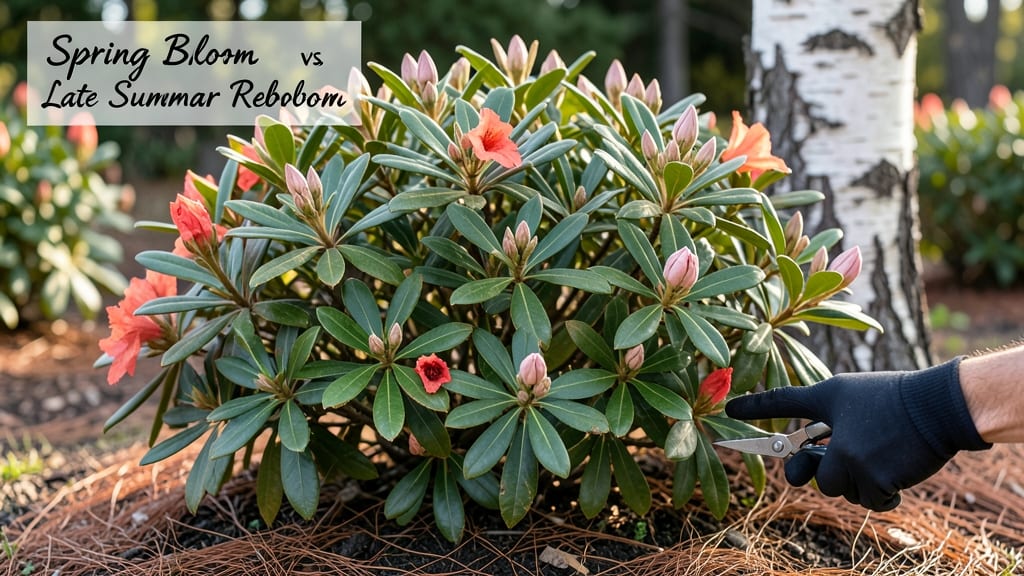
Repeat-blooming azaleas—such as the Encore or Souvenir series—can produce vibrant flowers more than once a year with proper pruning and light exposure, while traditional azaleas typically bloom just once annually. These reblooming varieties require specific care to trigger a second flush.
Do azaleas bloom more than once? Most azaleas follow a strict seasonal bloom cycle tied to daylight hours and temperature changes. 🌸 The key difference lies in their genetic programming: traditional azaleas rely on natural dormancy cues, while reblooming varieties are bred to respond to artificial light and strategic pruning.
For example, the Encore series blooms in spring and again in fall, but only if you deadhead spent flowers and maintain consistent moisture levels.
Light exposure plays a critical role—too much shade delays blooming, while harsh afternoon sun can stress the plant. I recommend placing reblooming azaleas in morning sun with afternoon shade for optimal results. Fertilizing with a balanced, acidic formula (like 8-8-8) in early spring and mid-summer also encourages stronger second blooms.
💡 In This Article
- Why Most Azaleas Bloom Only Once (And How Light Triggers Matter)
- How to Encourage Azalea Reblooming: Pruning, Fertilizing, and Light Tips
Why most azaleas bloom only once (and how light triggers matter)
Azaleas follow a strict bloom cycle tied to their natural photoperiod sensitivity—the way they respond to daylight length. Traditional azaleas, like the beloved Rhododendron simsii, rely on short days (less than 12 hours of daylight) to trigger flower buds.
This mechanism evolved as a survival strategy in their native Asian habitats, where cooler temperatures and reduced sunlight signal the perfect time to bloom. Once buds form, they require a period of dormancy (typically 6-8 weeks of temperatures below 60°F) before opening. 🌿
The science gets interesting with reblooming varieties like the Encore series. These plants are genetically modified to break free from strict photoperiod control, allowing them to respond to artificial light extensions.
For example, if you provide 14-16 hours of light daily after their first bloom (usually in spring), you can trick the plant into forming a second set of buds.
The key difference is their ability to produce flower buds without the traditional dormancy period, though they still need proper care to sustain this second flush.
Light quality matters too. Azaleas thrive under dappled sunlight—think morning sun with afternoon shade—which provides enough light for photosynthesis without overheating the plant. Too much direct afternoon sun can stress the foliage, reducing energy available for flower production.
I've seen reblooming azaleas in full sun fail to produce a second bloom because the plant was too busy protecting itself from heat damage rather than forming new buds. 🌞
Traditional azaleas can't be forced to rebloom because their genetic programming is hardwired for seasonal cues. Their buds form in late summer/early fall in response to shortening daylight, and they require a period of cold dormancy to mature.
This is why even with perfect care, your Knap Hill azalea will likely only bloom once—it's following its ancestral timeline. The reblooming varieties, however, have had this timeline stretched through selective breeding, allowing them to respond to human intervention.
Here's what happens when you try to force reblooming in traditional varieties: the plant becomes stressed, often producing fewer flowers or even dropping buds. This is because their internal clock is out of sync with the artificial conditions.
For example, if you prune a traditional azalea too late in the season, you might remove potential flower buds that were already forming, resulting in a sparse or nonexistent bloom.
The timing of pruning is everything—late spring to early summer is ideal for reblooming varieties, but this timing would be disastrous for traditional azaleas.
Consider this comparison: Traditional azaleas are like seasonal workers who take a mandatory vacation, while reblooming varieties are like flexible employees who can take extra shifts with the right incentives.
Both require proper conditions, but one is genetically designed to adapt to human schedules while the other follows nature's rigid timeline. 🌸