
Blooming
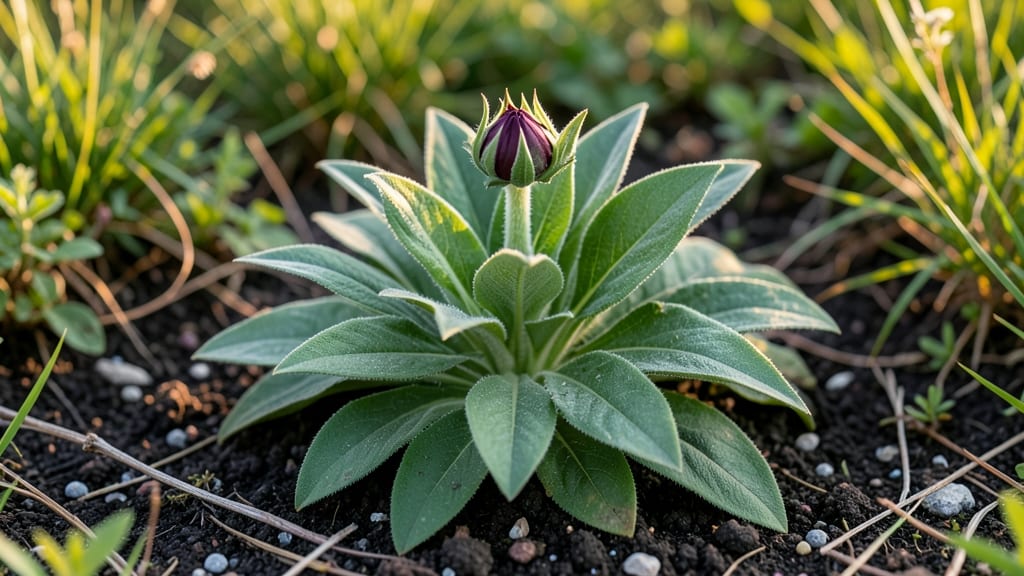
Black Eyed Susans typically do not bloom the first year when grown from seed, focusing instead on establishing strong roots and foliage for a vibrant second-year display. Planting mature seedlings ensures immediate flowers.
Most seed packets don't mention this, but Black Eyed Susans prioritize root development over flowers in their first growing season. 🌱 This biennial habit means they'll focus on building energy reserves underground, often producing lush foliage instead of blooms.
The good news? Once established, they'll reward you with bold yellow flowers for years to come.
If you're eager for color sooner, consider transplanting nursery-grown seedlings instead of starting from seed. These plants already have a head start, sometimes blooming in their first season. For seed starters, proper soil nutrition and consistent moisture can help coax earlier flowers, though it's still no guarantee.
💡 In This Article
- Why Black Eyed Susans Skip Flowering in Year One
- Faster Blooming Hacks for Black Eyed Susans
Why Black Eyed Susans skip flowering in year one
Black Eyed Susans (Rudbeckia hirta) follow a biennial growth pattern, meaning they prioritize root and leaf development in their first year to store energy for future blooms.
This strategy mirrors other biennials like carrots or foxgloves, where 90% of energy goes toward building a robust root system and foliage mass. The plant's underground reserves—stored as starches in roots—can reach 3-4 inches deep by fall, creating a foundation for next year's flowering.
The key mechanism is hormonal regulation: high levels of gibberellins (growth hormones) in young plants suppress flowering until the root system reaches a critical mass. Scientists measure this "root-to-shoot ratio"—when roots exceed 1.5 times the foliage weight, the plant finally triggers flower buds.
This explains why first-year plants often look lush but flowerless, while second-year plants burst into 3-4 foot tall stems with 2-3 inch diameter blooms.
Seasonal timing also plays a role. Black Eyed Susans planted in early spring have 120-140 days to establish before winter dormancy, leaving insufficient time for both root growth and flowering.
Those planted in late summer (after July 15th) may produce a few blooms that same year, but the trade-off is weaker root systems for next season. The plant's survival instinct overrides aesthetic goals!
What most gardeners miss is the leaf-to-flower ratio: each bloom requires 10-12 leaves to support it. First-year plants simply don't have enough photosynthetic surface area to fuel both growth and reproduction.
This is why mature plants can produce 50-100 flowers per stem, while first-year seedlings might produce none despite appearing healthy.
Consider this comparison: a first-year Black Eyed Susan might allocate 70% of energy to roots, 25% to leaves, and 5% or less to potential flowers. In contrast, a second-year plant flips this to 40% roots, 30% leaves, and 30% flowers.
The shift happens because the plant now has stored reserves to draw upon.
One fascinating exception occurs with cold stratification—a process where seeds experience winter temperatures before germination. This mimics natural conditions and can trigger earlier flowering in some cases, though it's not guaranteed. The plant's internal clock (vernalization) must align with environmental cues for this to work effectively.