
Blooming
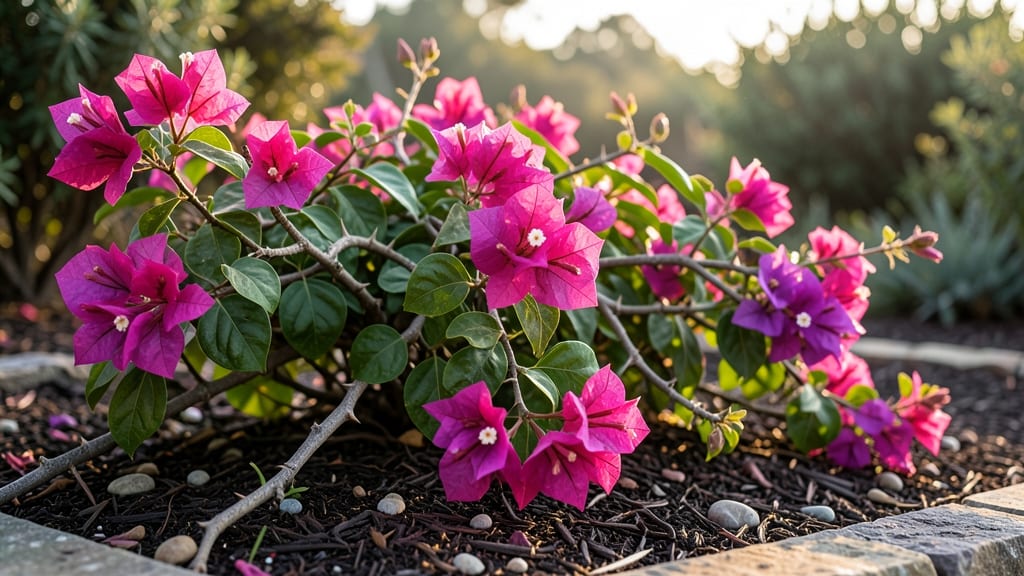
Bougainvillea blooms all year only in tropical climates (USDA zones 10-12), while in cooler regions blooms typically pause in winter or slow significantly in fall. Seasonal care and proper pruning can help extend the flowering period.
Bougainvillea's blooming habits depend entirely on temperature and daylight exposure. In warmer climates, these vibrant plants thrive year-round because they receive consistent sunlight and warmth, which triggers continuous flower production. 🌺 However, in temperate zones, colder months often cause dormancy—especially when temperatures drop below 50°F.
The key difference lies in how each climate zone affects the plant's metabolic processes, particularly photosynthesis and energy storage for blooming.
What many gardeners don't realize is that bougainvillea's flowering response is tied to both temperature and daylight hours. In cooler regions, strategic pruning after the first frost can stimulate new growth and encourage spring blooms.
Using a balanced fertilizer with higher phosphorus content during active growing seasons also helps promote more abundant flowers. Even in challenging climates, with the right care, you can coax your bougainvillea to bloom for most of the year.
💡 In This Article
- Bougainvillea Blooming Cycles by Climate Zone
- Tips to Encourage Year-Round Bougainvillea Flowers
Bougainvillea blooming cycles by climate zone
The bougainvillea's blooming cycle is directly controlled by temperature and daylight exposure, creating stark differences between tropical and temperate climates. In USDA zones 10-12, where temperatures rarely drop below 60°F, bougainvillea experiences continuous flowering because its metabolic processes remain active year-round.
The plant's cells maintain optimal photosynthesis rates, producing the energy needed for vibrant magenta, orange, or pink bracts that we associate with blooms. 🌺 In contrast, temperate zones (like zones 8-9) trigger dormancy when nighttime temperatures fall below 50°F, halting flower production until spring warmth returns.
What's fascinating is how daylight hours interact with temperature to regulate blooming. Bougainvillea is a short-day plant, meaning it flowers when daylight exposure decreases—typically in late summer and fall. However, in tropical zones, consistent 12-hour daylight throughout the year keeps this cycle in perpetual motion.
In cooler regions, the plant's response to shorter winter days is overridden by cold stress, forcing a 3-4 month dormancy period where no new flowers develop. Even a single cold snap below 32°F can kill the plant entirely, while temperatures between 32-50°F simply suppress blooming without killing the plant.
The science behind this involves the plant's florigen hormone, which triggers flowering in response to specific light and temperature conditions. In tropical climates, florigen production remains steady, while temperate-zone bougainvilleas experience hormonal shutdowns during winter.
This explains why you'll see lush, year-round blooms in Hawaii or Florida but only seasonal displays in California or Texas. The key difference is that tropical bougainvilleas never experience the cold-induced stress that temperate plants do, allowing their flowering machinery to run continuously.
For gardeners in cooler climates, understanding this mechanism helps set realistic expectations. While you won't get year-round blooms in zone 7 or below, strategic care can extend the flowering season by 2-3 months compared to unmanaged plants.
The transition between seasons creates what botanists call a "photoperiodic shock"—when daylight suddenly increases in spring, it jolts the plant back into active growth and flowering. This is why many gardeners report their bougainvilleas putting on a springtime flowering explosion after winter dormancy.
Consider this comparison: A bougainvillea in Miami might produce 12-18 blooms per vine monthly year-round, while an identical plant in Los Angeles will produce 6-8 blooms per vine from April to October.
The tropical plant's continuous energy production creates more abundant, longer-lasting flowers, while the temperate plant conserves energy for survival during winter. This biological difference explains why some gardeners struggle to achieve year-round blooms in cooler regions—it's not just about care techniques, but fundamental climate limitations.
The most dramatic example of this occurs in USDA zone 9, where bougainvilleas often experience a "false spring" phenomenon. Warm winter days might trick the plant into blooming, only for a sudden cold snap to kill the flowers and set back growth.
This creates the 30-50% bloom loss that many zone 9 gardeners report during unpredictable winters. The lesson here is that while care techniques can optimize blooming, climate remains the primary determinant of a bougainvillea's flowering potential.