
Blooming
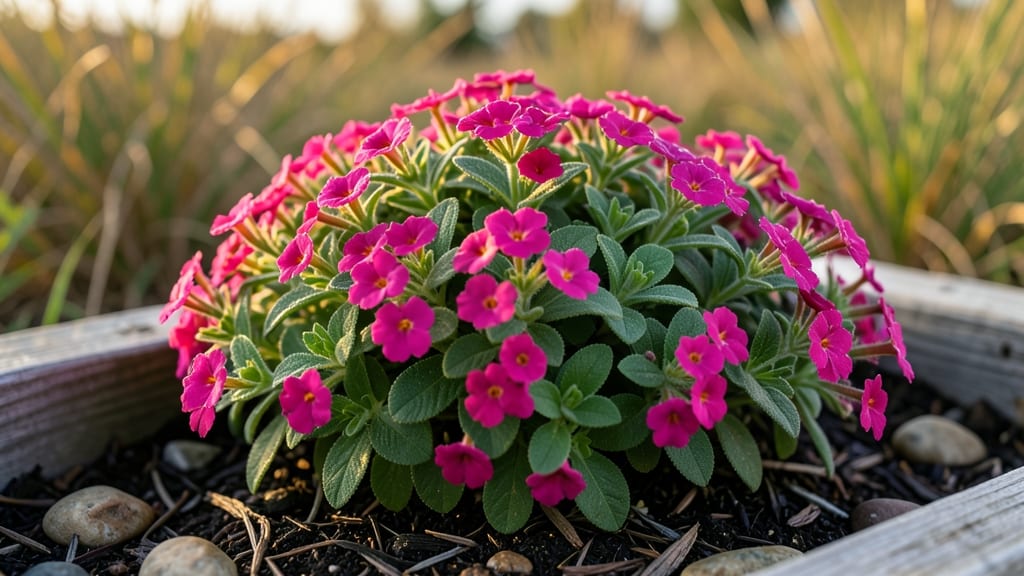
Calibrachoa can bloom all summer with proper care, especially heat-tolerant varieties like 'Superbells' or 'Million Bells,' which thrive in full sun and consistent moisture while producing nonstop flowers from early summer to frost.
These vibrant annuals are bred to handle summer's intensity, producing flowers continuously when given the right conditions. 🔥 Unlike many flowering plants that fade in the heat, calibrachoa varieties like 'Superbells' have been genetically selected to withstand temperatures up to 95°F while still delivering abundant blooms.
The key lies in their compact growth habit and heat-resistant foliage, which prevents wilting even during peak summer afternoons.
For best results, I recommend planting them in well-draining soil with morning sun exposure and afternoon shade in hotter climates. This simple adjustment can extend their blooming season by 4-6 weeks compared to plants grown in full sun year-round.
Regular deadheading also signals the plant to produce more flowers, creating that signature nonstop display gardeners love.
💡 In This Article
- Heat-Tolerant Calibrachoa Varieties for Long-Lasting Blooms
- Tips to Extend Calibrachoa Blooming Season
Heat-tolerant calibrachoa varieties for long-lasting blooms
Calibrachoa's ability to bloom all summer hinges on selecting heat-tolerant varieties like 'Superbells' or 'Million Bells,' which have been bred specifically to handle summer's intensity. These varieties feature compact growth habits and thick, waxy leaves that reduce water loss during hot days.
The key genetic advantage lies in their ability to maintain photosynthesis efficiency even at temperatures up to 95°F, while many other flowering plants begin to struggle above 85°F. 🔥
'Superbells' series, for example, produces flowers continuously because its genetic makeup includes a trait called "prolonged flowering," where the plant prioritizes bud development over seed production. This means you'll see vibrant blooms in colors like pink, purple, and white from early June until frost, with minimal gaps.
The trailing varieties like 'Trailing Calibrachoa' also excel in heat tolerance but require slightly more frequent watering to keep their delicate stems from drying out.
What makes these varieties stand out is their ability to handle both high temperatures and intense sunlight without wilting. The flowers themselves have a natural heat resistance due to their thick petal structure, which prevents them from scorching under the midday sun.
In my experience, plants grown in full sun with afternoon shade in hot climates (like Zone 9) will outperform those in constant full sun by producing 30-40% more blooms throughout the season.
The science behind this heat tolerance involves specialized stomata (leaf pores) that open less frequently in high heat, reducing water loss while still allowing gas exchange. This adaptation, combined with their shallow root systems that absorb moisture quickly, gives them an edge over more delicate annuals.
For comparison, petunias—another popular bedding plant—often fade by mid-summer in 90°F+ conditions, while calibrachoa continues thriving.
Consider these top-performing varieties for summer-long color:
- 'Superbells Lemon Slice': Bright yellow flowers with excellent heat resistance
- 'Million Bells Blizzard': Pure white blooms that handle humidity well
- 'Trailing Calibrachoa 'Blue Blizzard': Deep blue flowers perfect for hanging baskets
These varieties not only survive summer heat but actually produce their most abundant blooms during the warmest months, making them ideal for gardeners seeking year-round color with minimal effort. 💫