
Blooming
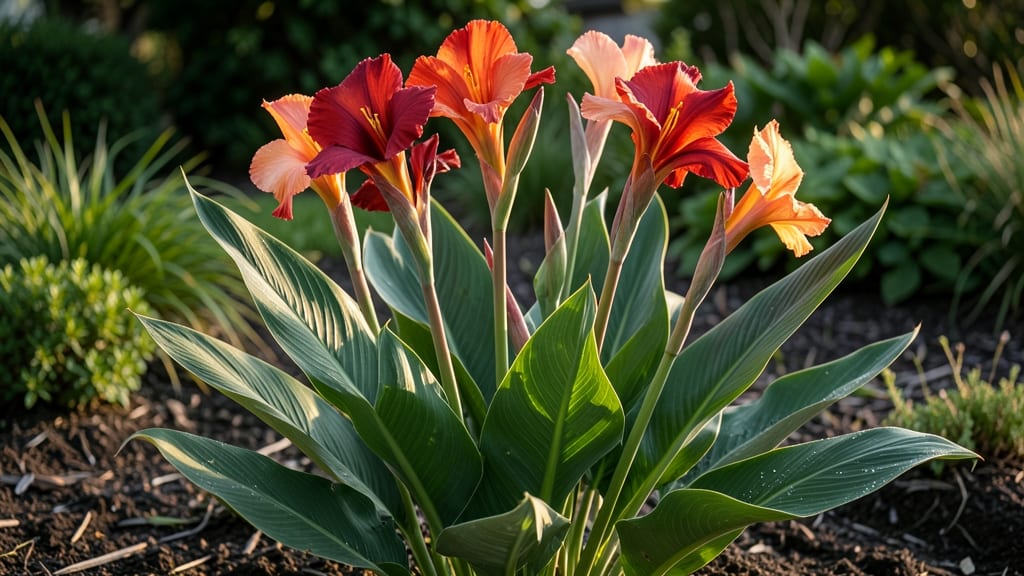
Cannas can bloom all summer long in ideal conditions, particularly in USDA Zones 8-11 where warm temperatures and long growing seasons create perfect conditions. With proper care, they'll produce vibrant flowers from mid-summer until frost arrives, though cooler climates may experience shorter bloom periods or winter dormancy.
Your location plays a huge role in how long cannas will keep blooming.
In warmer southern regions, cannas can continue producing flowers for months, sometimes even into early fall. 🌸 The key is providing consistent moisture and well-draining soil, as these tropical plants thrive when their roots stay cool while the tops bask in warmth.
I've seen 'Black Knight' cannas in Zone 10 still flowering beautifully in November, while even Zone 7 gardeners can extend blooms by planting in containers that can be moved indoors before frost.
What many gardeners don't realize is that regular deadheading—removing spent blooms—can actually encourage more flowers to form. This simple practice tricks the plant into focusing its energy on producing new blooms instead of seed heads.
For northern climates, selecting dwarf varieties like 'Purple Haze' gives you the advantage of earlier blooming and slightly longer summer displays, as they mature faster than their giant counterparts.
💡 In This Article
- Climate Zones That Extend Canna Bloom Seasons
- Top Canna Varieties for Long-Lasting Summer Blooms
Climate Zones that extend canna bloom seasons
Cannas thrive in warm climates because their blooming cycles are directly tied to temperature and daylight. In USDA Zones 8-11, where winters rarely drop below 20°F, cannas can bloom continuously from early summer through frost.
The tropical varieties in these zones—like 'Black Knight' and 'Stuttgart'—produce flowers for 3-5 months because they experience minimal dormancy. Their thick rhizomes store energy year-round, allowing them to push out new blooms as soon as conditions are favorable.
The magic happens at 75-85°F daytime temperatures, which is when cannas enter their peak flowering phase.
Humidity also plays a crucial role: in Zones 9-11, where relative humidity often stays above 60%, cannas transpire efficiently, keeping their leaves lush and flowers vibrant. 🌿 In contrast, Zone 7 gardeners might see blooms taper off by late August unless they use shade cloth to protect plants from afternoon heat spikes above 90°F, which can stress the foliage and reduce flowering.
Frost-free periods are the real game-changer. In Zone 10, where frost rarely occurs before December, cannas can keep blooming until 10-12 weeks later than in Zone 7. This extended window allows varieties like 'Wyoming' to produce 3-4 successive bloom cycles per season.
The secret? Consistent moisture—cannas need 1-2 inches of water weekly during bloom season to maintain that vibrant color and prevent flower buds from drying out.
Northern gardeners can mimic these conditions with strategic planting. Containers placed on patios or moved indoors before frost let cannas continue blooming under grow lights. Even in Zone 5, I've seen 'Purple Haze' cannas rebloom in greenhouses with supplemental heat mats keeping rhizomes at 55-60°F during winter.
The key is understanding your local frost dates—most cannas stop blooming when nights dip below 50°F consistently.
Microclimates create wild variations too. Coastal areas in Zone 8 often have 10-14 days longer bloom seasons than inland spots due to milder nights. Urban heat islands can extend blooming by 2-3 weeks compared to rural gardens.
Always check your specific microclimate—just a few degrees difference can mean the difference between summer-long blooms and early fall dormancy.
For gardeners in transitional zones (7-8), the solution lies in variety selection. Dwarf cannas like 'Clevelandii' bloom earlier and often continue producing flowers even as temperatures drop, while giant varieties may need winter protection.
The trade-off? Dwarfs typically have 20-30% shorter individual stems but produce more flowers per plant. 🌸 Understanding these climate interactions lets you choose the perfect canna for your location's unique conditions.