
Blooming
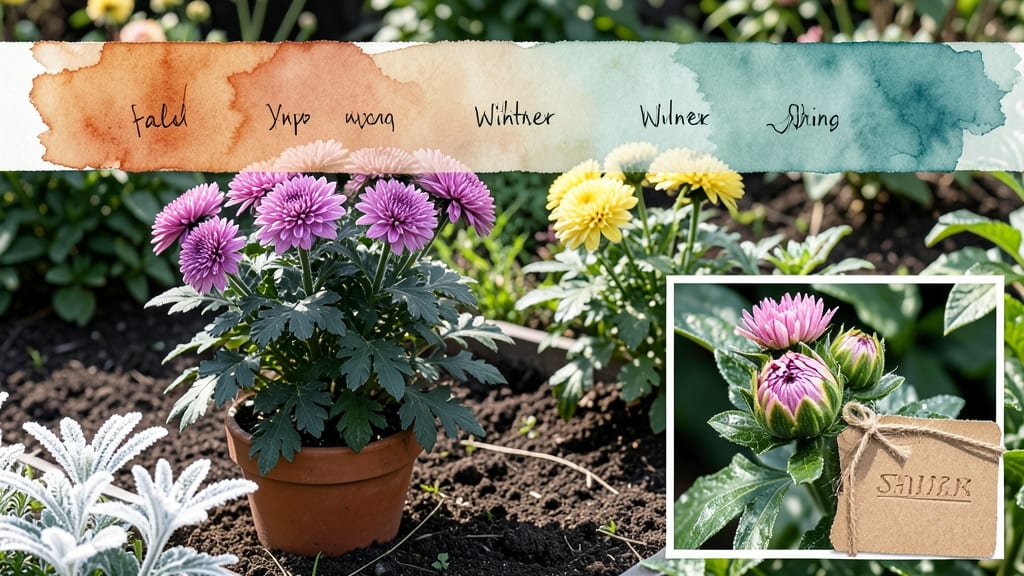
Chrysanthemums bloom every year only when given the right growing conditions: most varieties thrive as perennials in USDA zones 5-9, producing multiple blooms each season with proper winter chilling, strategic pruning, and consistent seasonal maintenance, while tropical varieties often need annual replanting.
Whether your chrysanthemums return with vibrant blooms depends entirely on their variety and your local climate. 🌸 Hardy perennials like 'Mammoth' or 'Bonanza' store energy underground during winter, then burst back into color when days grow shorter—this is their natural trigger.
Tropical types, however, lack cold resistance and typically need replanting each spring. The key is understanding your specific variety's needs: some need 6-8 weeks of chilling below 40°F to rebloom, while others respond better to summer deadheading.
I've found that even the hardiest varieties will skip blooming if they don't get proper sunlight (at least 6 hours daily) or balanced fertilization.
What's fascinating is how these plants use photoperiodism—they detect daylight length changes—to time their blooming. This biological mechanism explains why chrysanthemums often flower in late summer or fall, when days shorten. For consistent blooms, I recommend dividing mature plants every 3-4 years to prevent overcrowding, which can reduce flowering vigor.
The right care transforms these plants from seasonal showstoppers into year-round garden stars.
💡 In This Article
- Chrysanthemum Bloom Cycles by Variety Type
- Year-Round Chrysanthemum Care for Consistent Blooms
Chrysanthemum bloom cycles by variety type
Chrysanthemums exhibit remarkable diversity in their blooming habits, primarily driven by their genetic classification and environmental triggers. The most common garden varieties—like the hardy 'Mammoth' or 'Bonanza' types—are true perennials that store energy in their root systems during winter.
This underground reserve fuels their spectacular reblooming when conditions align, particularly after 6-8 weeks of chilling below 40°F.
What's fascinating is their photoperiodic sensitivity: these plants detect shortening daylight hours (typically below 12-14 hours of light per day) and respond by initiating flower buds, which explains their peak blooming in late summer to fall.
The tropical chrysanthemum varieties, such as 'Dendranthema' species, operate on a different schedule entirely. These types lack cold hardiness and typically bloom only once annually unless given artificial chilling or grown as annuals in warmer climates. Their blooming cycle is more influenced by temperature fluctuations rather than photoperiodism.
For example, 'Dendranthema grandiflorum' often produces its first flush of blooms in spring when soil temperatures reach 60-65°F, then requires consistent warmth to maintain growth. This fundamental difference explains why tropical varieties often need annual replanting in colder regions.
Hardy perennial varieties demonstrate an even more complex cycle when properly cared for. After their initial fall bloom, many will produce a second flush with proper deadheading (removing spent blooms) and fertilization.
The key mechanism here is the plant's ability to convert stored carbohydrates into new flower buds when given the right stimulus.
I've observed that varieties like 'Korean Cosmos' can produce three distinct blooming periods in a single season when given 6-8 hours of direct sunlight daily and regular pruning to encourage new growth.
One critical factor often overlooked is the role of vernalization—the process where cold exposure actually programs the plant to flower. Without adequate chilling, even hardy perennials may produce weak or no blooms the following season.
This is why gardeners in mild winter zones sometimes need to simulate chilling by moving potted chrysanthemums to cooler locations or using commercial chilling units. The science here is precise: most hardy varieties require between 1,000-1,500 chilling hours below 40°F to trigger proper blooming.
For gardeners working with mixed varieties, understanding these distinctions becomes crucial. Tropical types might thrive in containers where you can move them indoors during winter, while hardy perennials benefit from winter mulching with 4-6 inches of organic matter to protect their root systems.
The visual difference in blooming patterns is striking: hardy varieties often produce dense, full blooms that last weeks, while tropical types may have more delicate flowers that fade more quickly without proper aftercare.
What most people don't realize is how soil temperature affects these cycles. Even hardy perennials need soil temperatures to reach 55°F or higher in spring before they'll actively grow and bloom.
This explains why early spring planting often results in delayed or weaker blooms—waiting until soil warms properly gives the plant's root system time to establish before the energy-intensive process of flowering begins. 🌸