
Blooming
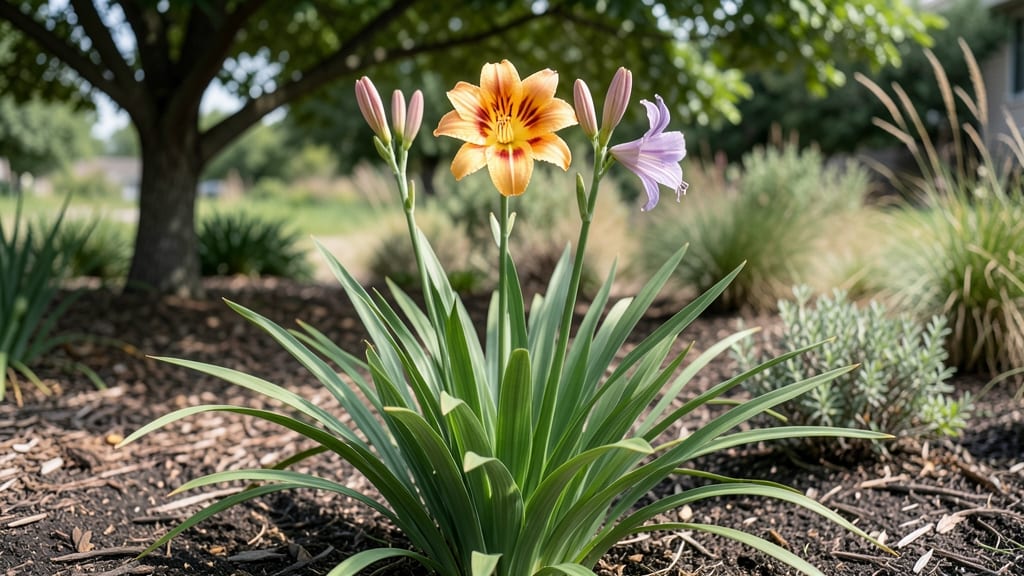
Daylilies do bloom all summer in many varieties, with flowering periods stretching from early June through September or beyond, depending on the cultivar. Reblooming types like Stella de Oro can produce continuous blooms until frost, while traditional varieties may have shorter peak seasons.
Daylilies are famous for their long bloom cycles, thanks to their hardy nature and adaptability. 🌸 The key difference lies in their genetics—reblooming varieties have been selectively bred to produce multiple flushes of flowers throughout the growing season, while older cultivars typically bloom just once.
For example, Stella de Oro, a popular rebloomer, can keep flowering from early summer right up to fall frost in warmer climates. To maximize their performance, focus on consistent moisture and balanced fertilization, especially with phosphorus to support root development and flowering.
What many gardeners don't realize is that daylilies thrive in USDA zones 3-10, meaning they adapt beautifully to both northern and southern growing conditions. In cooler regions, blooms may start later in the season, while southern gardens often see extended flowering well into October.
The secret to continuous blooms lies in proper deadheading—removing spent blooms encourages new growth and prevents energy from going into seed production.
💡 In This Article
- Daylily Blooming Seasons by Variety Type
- How to Maximize Daylily Blooms All Summer
Daylily blooming seasons by variety type
Daylilies fall into two main categories: rebloomers and seasonal bloomers, with the difference lying in their genetic makeup.
Reblooming varieties like Stella de Oro and Happy Returns have been selectively bred to produce multiple flower flushes throughout the growing season, thanks to their ability to form new buds on both old and new growth.
These cultivars typically bloom from early June through September or even October in warmer climates, with some varieties continuing until frost. In contrast, traditional daylilies like those in the 'Pardon Me' series bloom just once per season, usually peaking in July or August.
The bloom windows also vary significantly by USDA hardiness zones. In zones 3-5, where winters are colder, daylilies often start blooming later—around mid-June—and may finish by early September. Meanwhile, in zones 7-10, where winters are mild, blooming can begin as early as May and stretch into November.
For example, in Zone 9, Stella de Oro might produce flowers from late May through December, while in Zone 5, the same variety would likely bloom from late June to early October.
The key factor here is chilling requirements—most daylilies need a period of cooler temperatures to break dormancy and trigger new growth.
Color and flower size also influence bloom duration. Larger, more vibrant blooms like those in the 'Golden Chimes' series tend to have slightly shorter peak seasons because they require more energy to produce.
Smaller, simpler blooms, such as those in the 'Little Grapette' series, often bloom more prolifically and for longer periods. The reason? Smaller flowers demand fewer resources, allowing the plant to produce more blooms over an extended period.
Additionally, daylilies with multiple buds per stem, like 'Café Au Lait', tend to rebloom more reliably because they can compensate if some buds fail to open.
Another critical factor is the daylength sensitivity of certain varieties. Some daylilies, particularly those bred for northern climates, respond to shorter daylight hours by producing more buds. This is why you might see a late-season surge in blooms in late August or September, especially in regions with earlier sunsets.
For instance, 'Evening Star' is known for its extended blooming period because it thrives in cooler, shorter-day conditions. Understanding these nuances helps gardeners choose varieties that align with their local climate and desired bloom timeline.
Consider these key bloom windows by variety type:
- Early Bloomers (May-June): Varieties like 'Happy Returns' and 'Stella de Oro' in warmer zones (7-10) may start as early as late May, taking advantage of mild winters.
- Mid-Season Bloomers (June-August): Traditional cultivars such as 'Pardon Me' and 'Illumination' peak during this period, offering a steady supply of blooms.
- Late Bloomers (August-October): Varieties like 'Evening Star' and 'Café Au Lait' shine in late summer and fall, providing color when other flowers fade.
What most gardeners overlook is how soil temperature affects bloom timing. Daylilies prefer soil temperatures between 60-75°F for optimal growth and flowering. In cooler soils, blooms may be delayed, while overly warm soils can stress the plant and reduce flowering.
This is why mulching with organic matter, like compost or straw, helps maintain consistent soil temperatures and supports prolonged blooming. 🌿