
Blooming
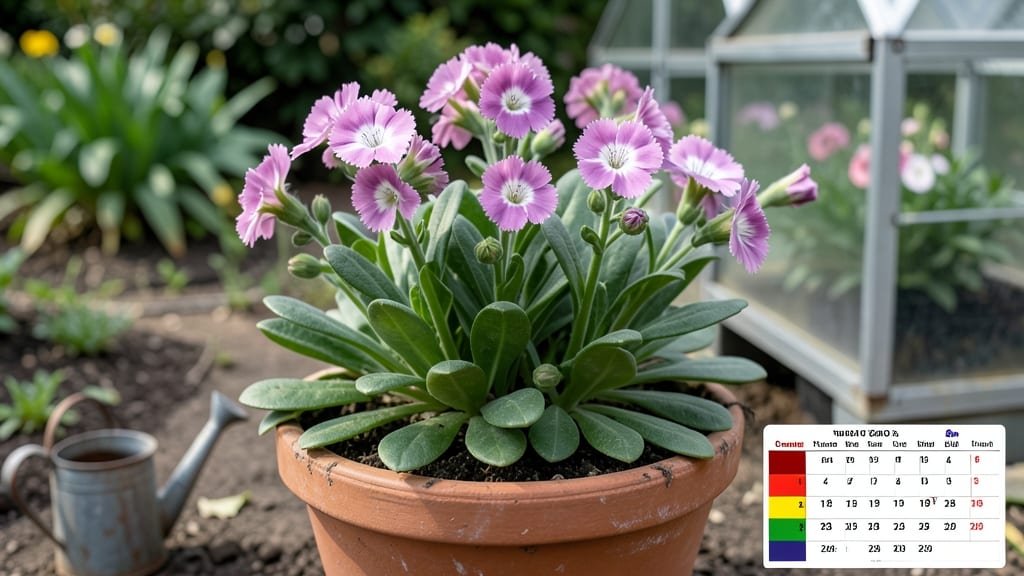
Dianthus don't bloom all year because their flowering cycles depend on climate, variety, and seasonal triggers. Most varieties peak in spring and summer, with some reblooming in fall if properly deadheaded, while cold-hardy types naturally rest during winter.
Dianthus plants follow natural growth rhythms tied to daylight and temperature shifts. 🌸 In warmer climates like USDA zones 7-10, some varieties may extend blooming into early winter, while northern varieties (zones 3-6) typically enter dormancy when frost arrives.
The key to encouraging repeat blooms lies in understanding your specific variety's needs—regular deadheading, proper sunlight exposure, and seasonal adjustments to watering can all help maximize flowering periods throughout the growing season.
For gardeners in transitional zones, choosing perennial dianthus types like Dianthus barbatus (sweet william) or Dianthus chinensis offers the best chance for extended color. These varieties often produce multiple flushes of blooms when given consistent care, though they'll still follow seasonal patterns.
The trade-off? Their winter dormancy period helps them store energy for next year's spectacular displays.
💡 In This Article
- Dianthus Flowering Seasons by Climate Zone
- Best Dianthus Varieties for Extended Blooming
Dianthus flowering seasons by climate zone
Dianthus flowering patterns are primarily governed by daylight hours and temperature, which vary dramatically across USDA hardiness zones. In zones 3-6 (northern climates), most dianthus varieties enter dormancy when temperatures drop below 32°F in late fall, halting blooms until spring's 50°F+ warmth triggers new growth.
This natural cycle explains why gardeners in Minnesota or New York rarely see winter blooms—even cold-hardy types like Dianthus deltoides prioritize survival over flowering during harsh months.
The magic happens in zones 7-10, where mild winters (40-50°F) allow some varieties to bloom nearly year-round with proper care.
For example, Dianthus caryophyllus (carnation) often produces sporadic winter flowers in California's zone 10, while Dianthus barbatus may extend its summer display into early fall in zone 8.
The key trigger is 14+ hours of daylight—most dianthus need this daylight threshold to initiate blooming, which occurs naturally in spring/summer but can be manipulated in controlled environments.
Day-neutral varieties like Dianthus chinensis offer the best chance for extended blooming because they're less sensitive to daylight changes. These types can produce 3-5 bloom cycles per season when deadheaded consistently, though they still follow seasonal intensity peaks.
What most gardeners miss is that even in warm climates, dianthus often take a 2-3 week rest period after each major bloom flush to recharge—this is why you might see gaps in flowering even in zone 10 gardens.
Seasonal temperature shifts also affect flower quality. When nights dip below 55°F in fall, many dianthus varieties produce more compact, intensely fragrant blooms—a phenomenon called "vernalization" where cooler temperatures enhance floral development.
This explains why late-summer plantings often yield more vibrant flowers than spring ones, even in the same climate zone. The trade-off? These cooler nights also signal the plant to prepare for dormancy, which is why fall-blooming dianthus often fade by early winter.
Regional microclimates add another layer of complexity. Coastal areas in zone 9 may experience 10°F warmer winters than inland locations just 50 miles away, creating pockets where certain varieties bloom 4-6 weeks longer than expected.
For instance, Dianthus gratianopolitanus (cushion dianthus) might bloom continuously in San Diego's coastal zone but only sporadically in inland Riverside. This is why gardeners should always check local frost dates and heat summation models when selecting varieties.
Understanding these climate interactions helps explain why some gardeners report "year-round" blooms while others see only seasonal displays. The reality lies in a delicate balance: while no dianthus blooms continuously without intervention, strategic variety selection and care can create near-continuous color by staggering bloom times across different species.
For example, pairing spring-blooming Dianthus superbus with summer-fall Dianthus barbatus creates visual continuity that spans 6-8 months in optimal conditions.