
Blooming
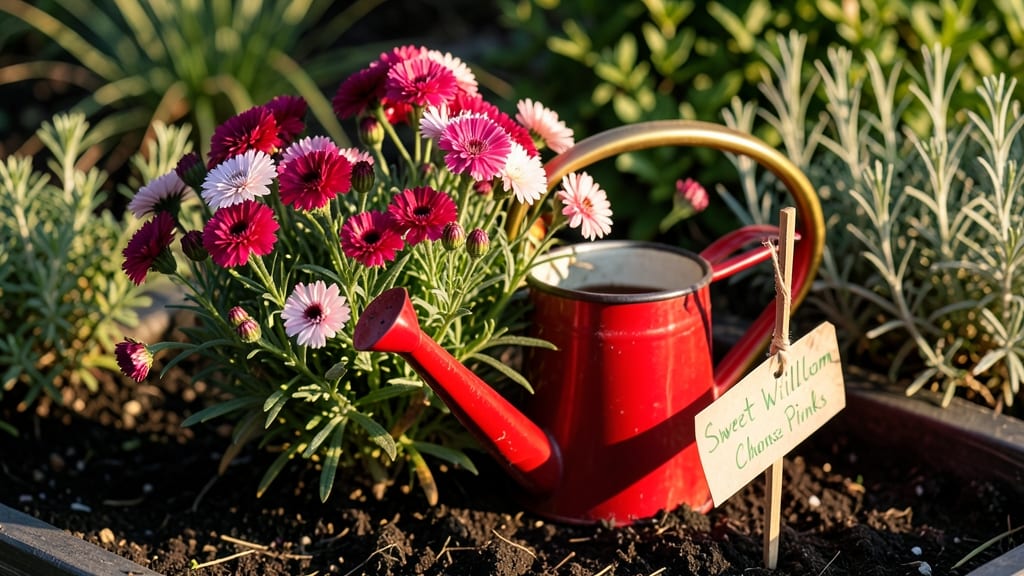
Dianthus flowers do not bloom all summer continuously, since most varieties follow seasonal patterns with peak flowering in spring and fall. Heat-tolerant types like Dianthus barbatus or Dianthus chinensis may produce sporadic blooms during summer with consistent care, while cooler-weather varieties need temperature drops to restart flowering.
Most dianthus varieties are actually cool-season bloomers, meaning they thrive when temperatures dip below 85°F. 🌸 The heat of summer often causes them to go dormant or produce fewer flowers, especially in humid climates.
However, some heat-tolerant cultivars can be coaxed into reblooming with strategic care—like regular deadheading and morning watering to prevent stress. The key difference lies in their genetic makeup: annual varieties like Dianthus barbatus may handle summer better than perennials, which often need cooler weather to trigger new buds.
For gardeners wanting summer color, I recommend choosing heat-tolerant varieties upfront or creating shaded microclimates with afternoon shade cloth.
Pruning spent blooms consistently encourages new growth, though results vary by species. 💫 Always check your specific variety's care tag—some dianthus types simply won't bloom in summer no matter what you do.
💡 In This Article
- Heat Tolerance and Blooming Cycles in Dianthus Varieties
- Extending Summer Blooms: Pruning and Care Tips for Dianthus
Heat tolerance and blooming cycles in dianthus varieties
Dianthus flowering is primarily triggered by temperature and day length, a phenomenon called photoperiodism. Most varieties need cooler temperatures between 60-75°F to initiate bud formation, while summer heat above 85°F often halts blooming entirely.
The plant's metabolic processes slow down during heat stress, conserving energy for survival rather than flower production. 🔥 This explains why spring and fall blooms are typically more abundant—these seasons provide the ideal temperature range for flowering.
Annual dianthus like Dianthus barbatus (Sweet William) tend to handle summer better than perennials because they complete their life cycle quickly. These varieties may produce sporadic blooms in summer if given consistent moisture and afternoon shade, but their performance still declines compared to spring.
Perennials like Dianthus gratianopolitanus (Cheddar Pink) often go completely dormant in summer heat, with new growth only emerging when temperatures drop below 75°F again. The key difference lies in their root systems—annuals have shallower roots that dry out faster in heat, while perennials develop deeper roots for summer survival.
Humidity also plays a critical role in summer blooming. High humidity (above 60%) creates ideal conditions for fungal diseases like powdery mildew, which stresses the plant and reduces flowering.
The combination of heat and humidity creates what botanists call "heat stress," where the plant's stomata (pores) remain closed to conserve water, limiting photosynthesis and flower production. This is why dianthus often look lush but flower-sparse in muggy summers—even heat-tolerant varieties struggle under these conditions. 💫
Some dianthus varieties have evolved partial heat tolerance through selective breeding. For example, Dianthus chinensis (Chinese Pinks) can produce intermittent summer blooms when grown in well-draining soil with minimal overhead watering.
These varieties typically bloom in 3-4 week cycles during summer if deadheaded consistently, though the flowers are usually smaller and less abundant than spring blooms. The trade-off is that they maintain better foliage health in heat, making them popular for container gardening in warm climates.
What most gardeners don't realize is that dianthus actually "buds" for next season's flowers during summer dormancy. The plant stores energy in its roots and basal leaves, preparing for fall blooming.
This is why aggressive summer pruning can reduce next year's flower production—you're removing potential flower buds that haven't yet formed. The plant's survival mechanism prioritizes root development over aerial growth during heat stress, which is why summer care should focus on preserving root health rather than forcing blooms. ✨
For those wanting summer color, the best approach is to select varieties bred for heat tolerance and pair them with proper growing conditions. Consider planting Dianthus barbatus 'Hot Papaya' or Dianthus chinensis 'Firewitch'—these cultivars show the most consistent summer performance.
Even then, expect blooms to be 30-50% less abundant than spring displays, but the foliage will remain vibrant, providing year-round interest. 💫